
Each column processed through the mobile treatment system produced 40 cubic metres of free water from the backflow.
Construction case study
Mobile treatment of jet-grout backflow on the Eglinton Crosstown East Tunnels
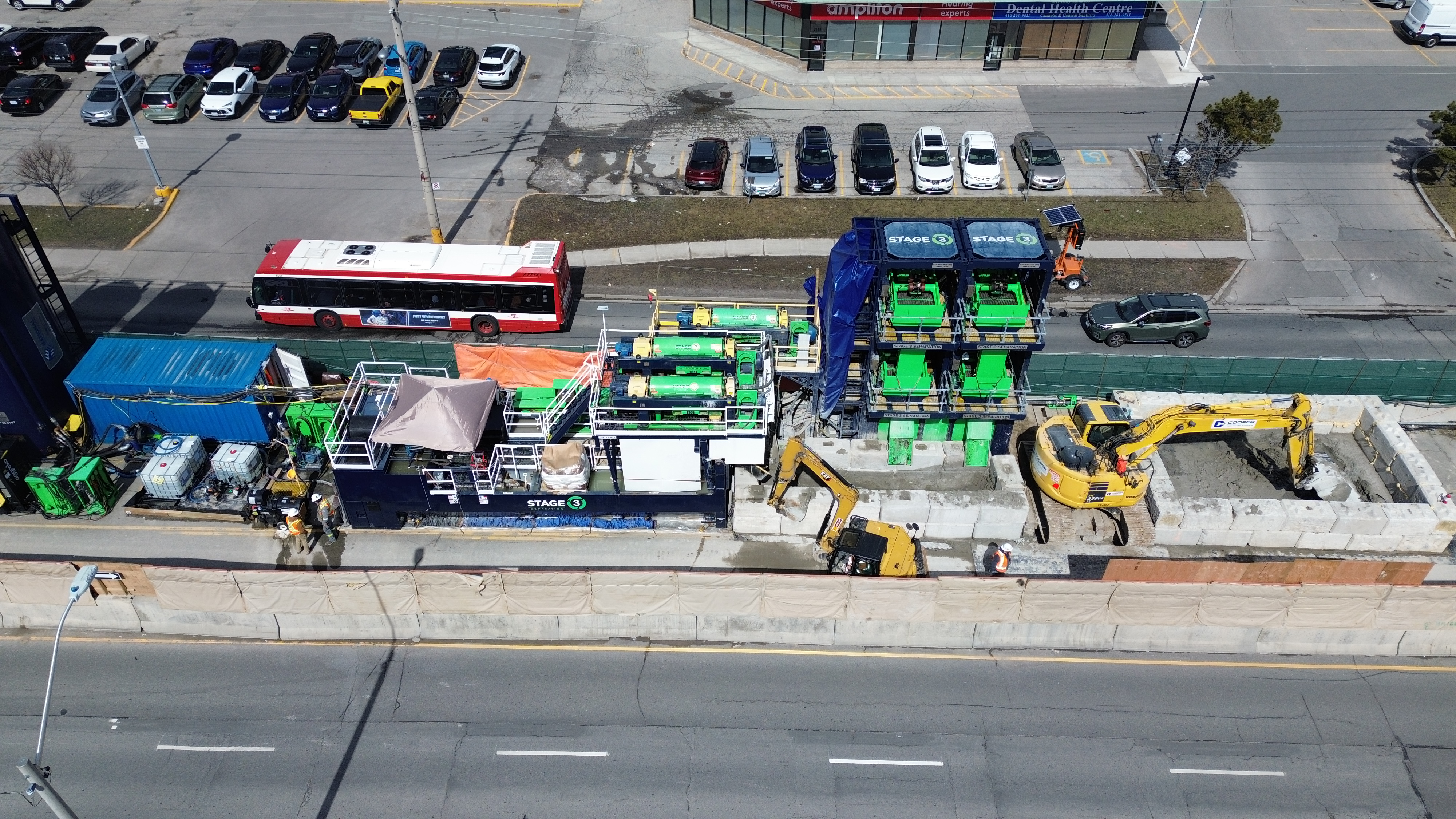
What the mobile system delivered
40 cubic metres of water recovered from every column.
On the Eglinton Crosstown East Tunnels project, jet grouting sends soil, grout and water back to the surface as backflow. The site sat in highly congested Midtown Toronto, with minimal room for holding pits, and vacuum-trucking that backflow to a contaminated-waste facility meant more truck traffic around crews and the public. S3S ran a mobile slurry treatment system onsite to process the backflow instead.
The mobile treatment system ran on this Eglinton Crosstown East Tunnels site through the full jet-grouting program, keeping backflow moving instead of trucking it out.
Removing heavy solids onsite and recovering water for reuse cut waste handling costs by 20% against the conventional pit-and-haul route.
A tank system, centrifuges, and flocculation additives worked together: heavy solids came out first, then the remaining slurry was treated with flocculants.
Challenge, solution, result
A mobile system that did not need a bigger footprint.
Jet grouting sends soil, grout and water back to the surface as backflow that has to go somewhere. On a congested Midtown Toronto site, S3S built a system to handle it without pits or a fleet of vacuum trucks.
Challenge
No room for pits, and vacuum trucks meant more traffic on a tight site.
During jet grouting, soil, grout and water return to the surface as backflow. The Eglinton Crosstown East Tunnels site sat in highly congested Midtown Toronto, with minimal room for holding pits. The conventional route, large pits or vacuum trucks hauling to a contaminated-waste facility, is expensive, hard to run in heavy traffic, and puts more trucks around site personnel and the public.
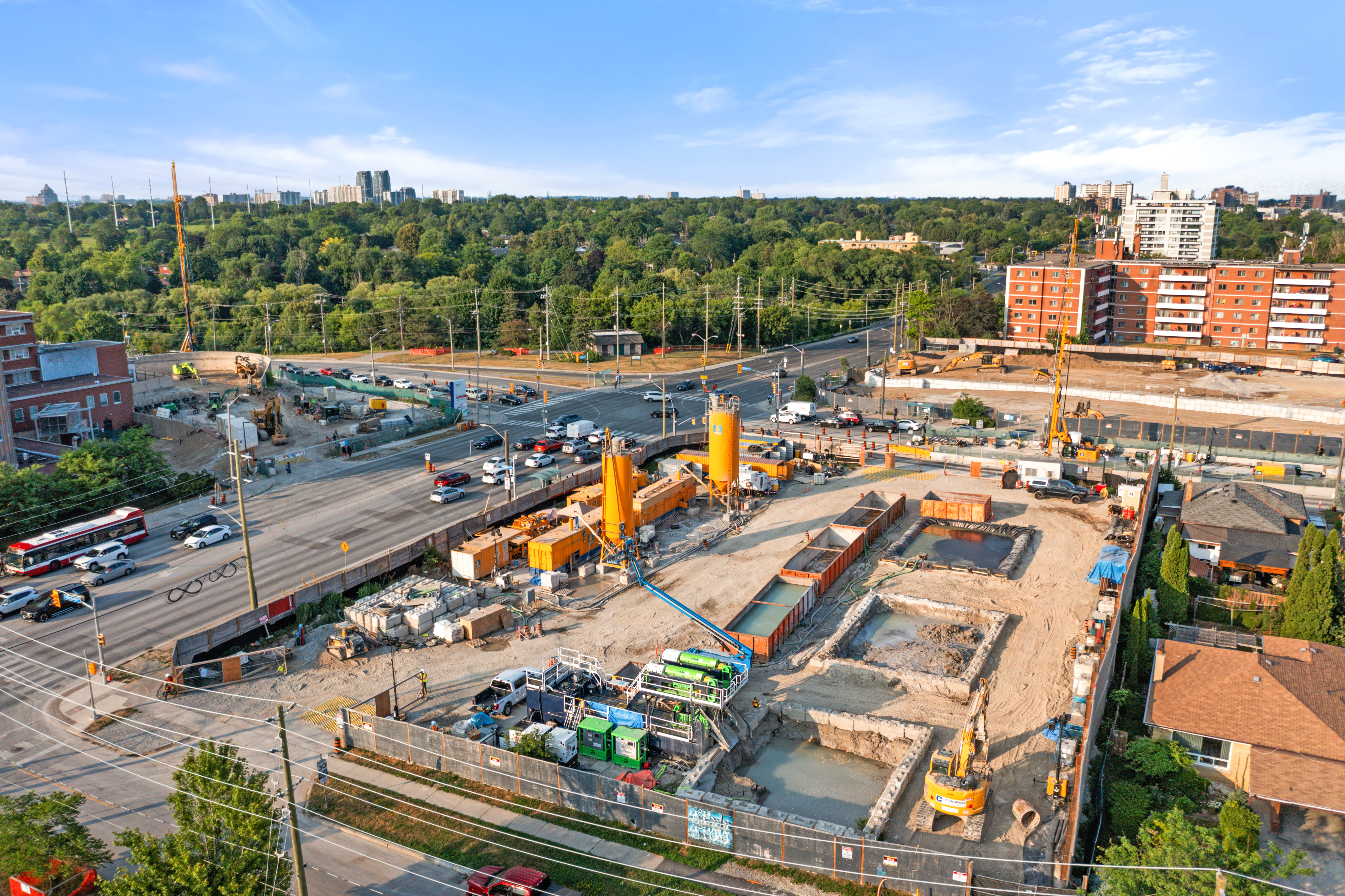
Solution
Heavy solids come out first, then the slurry gets treated.
S3S ran a mobile slurry treatment system onsite: a tank system, centrifuges, and flocculation additives. Heavy solids such as sand and gravel came out first. The remaining slurry was then processed with flocculants to separate the fine solids from the water.
40 m3Free water recovered from each column processed
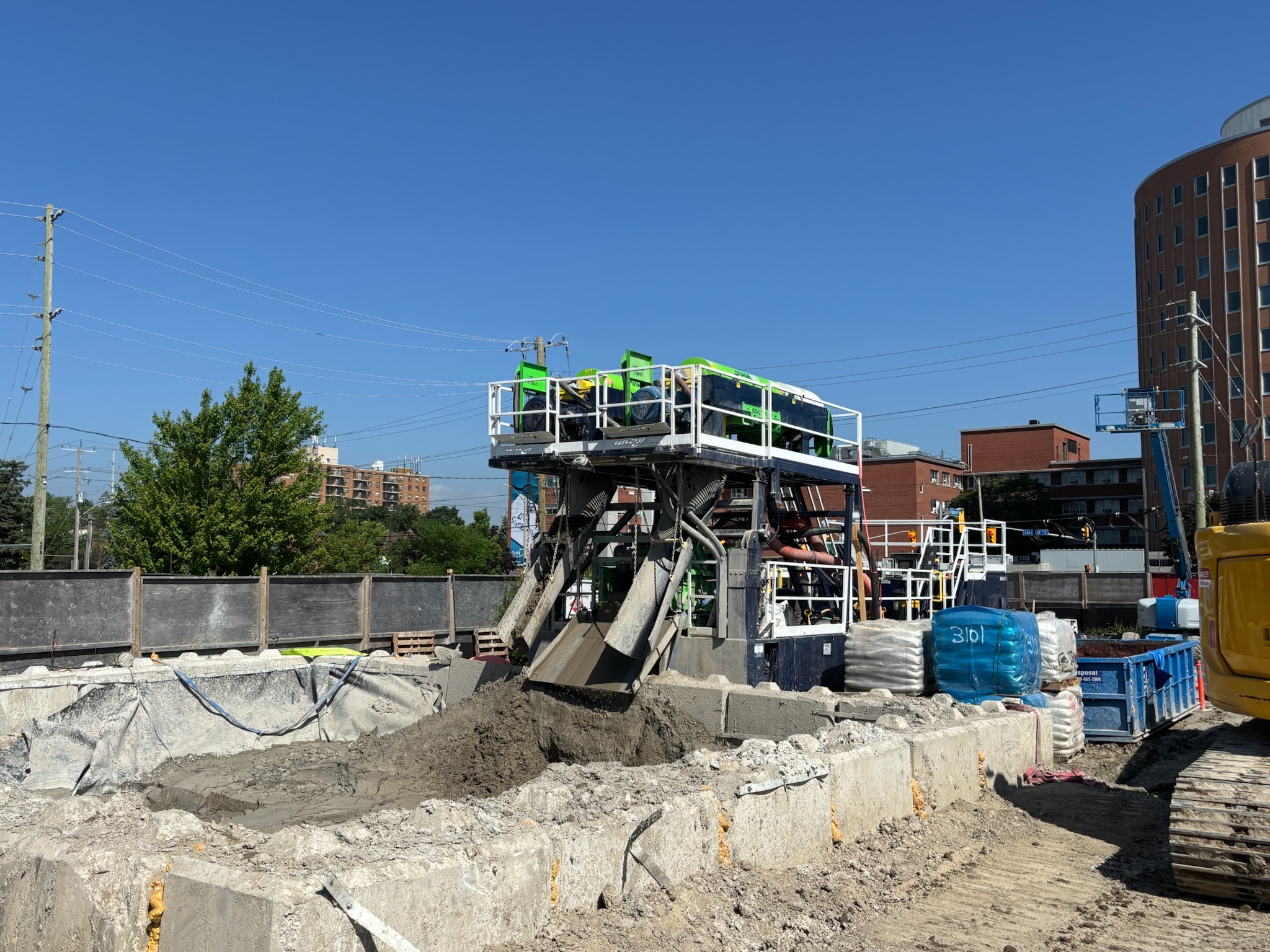
Result
Water recovered, costs down, and no backup on site.
The system produced a dry, stackable solid at a reduced volume and recovered clear water for reuse in the operation. Waste handling costs came down 20% against the conventional pit-and-haul approach, and the job ran at full capacity without waiting on pits or truck schedules.
20%Lower waste handling costs than pit-and-haul
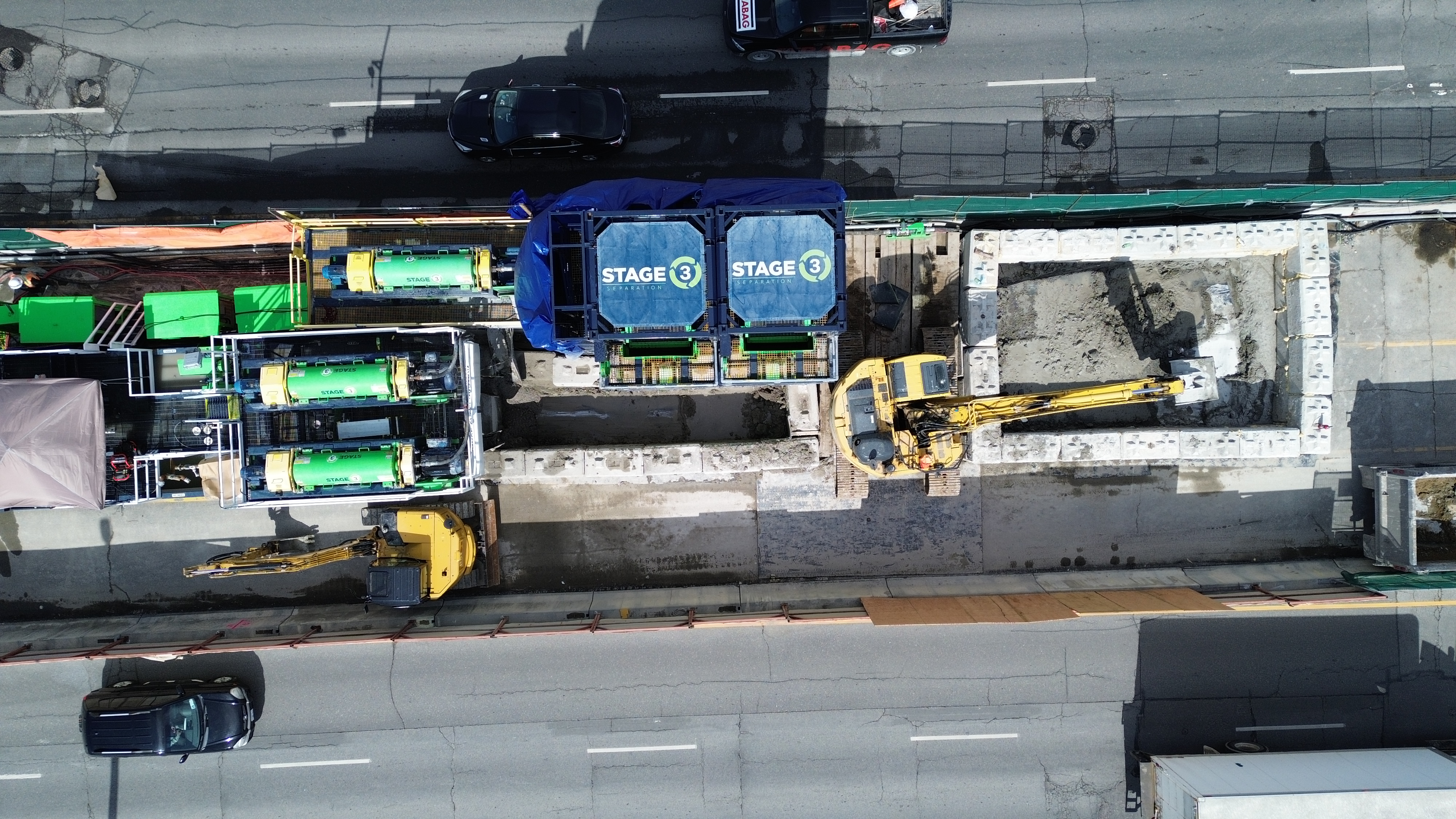
Process
Remove heavy solids, then process the remaining slurry.
The published process begins when the contractor sends backflow to the Slurry Treatment System. The account says heavy solids such as sand and gravel are removed first, then the remaining slurry is processed while flocculants are added. It presents the final handling of the outputs as specific to this project.
The published process
Make the backflow manageable inside the working area.
The case study describes a material-handling sequence for this Midtown Toronto project. The equipment and route belonged to the project's backflow stream, site constraints, and selected handling plan.
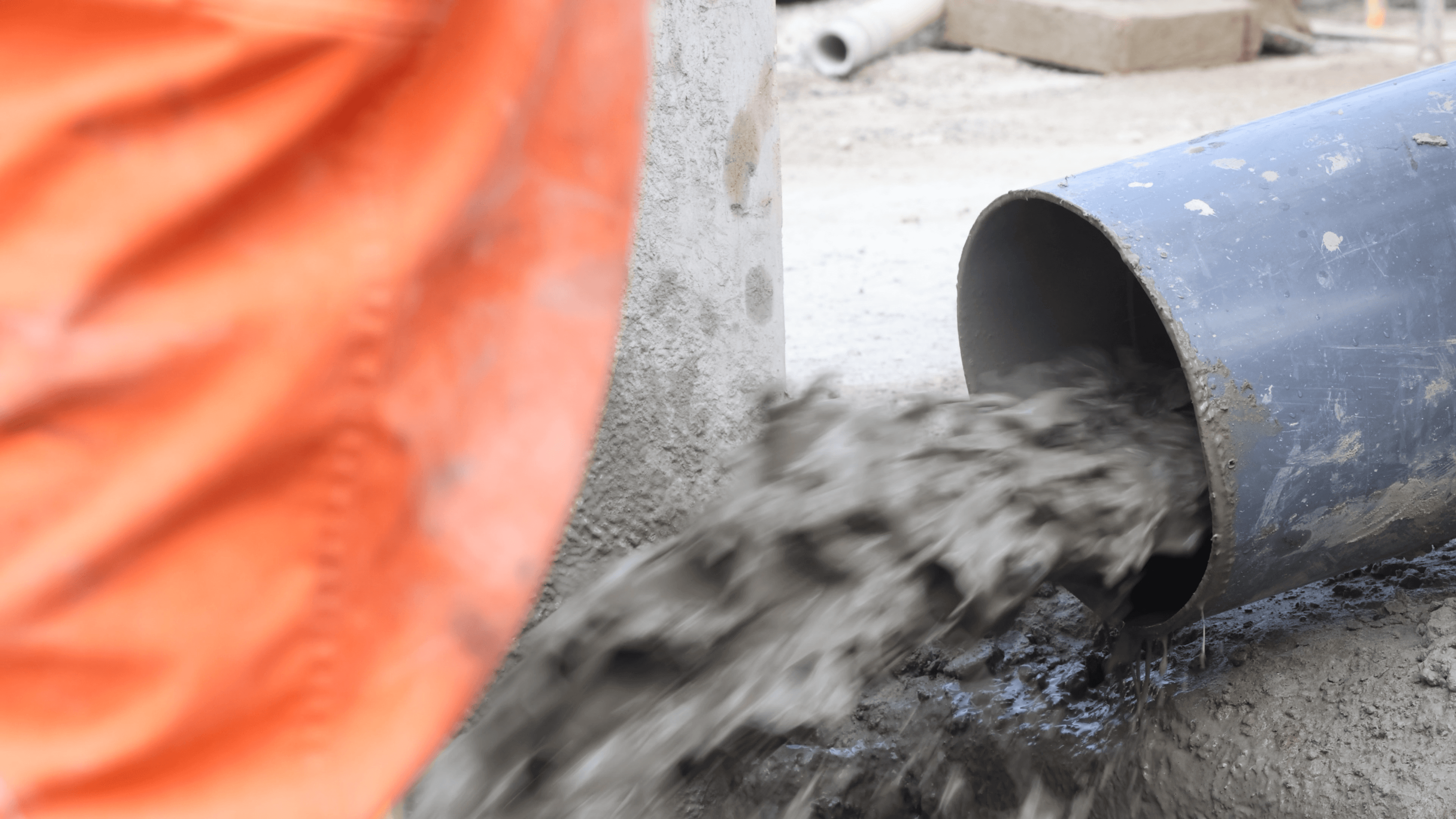
01
Receive the jet-grout backflow
The contractor directed the returning soil, grout, and water stream to the Slurry Treatment System rather than relying solely on large pits or repeated vacuum-truck handling.
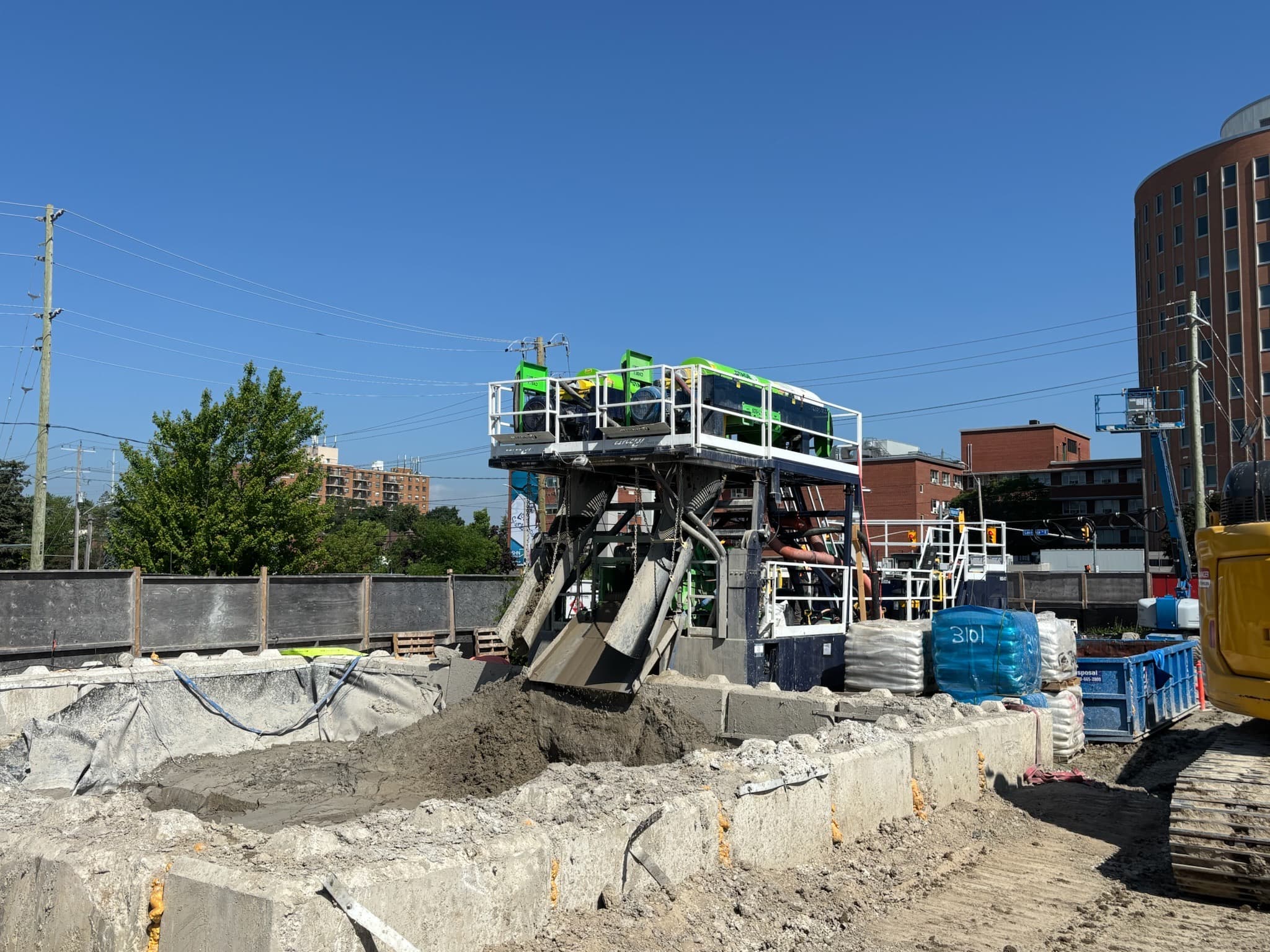
02
Remove the heavy fraction first
The published sequence identifies sand and gravel as the first heavy solids removed from the backflow before the remaining slurry moved into the next treatment step.
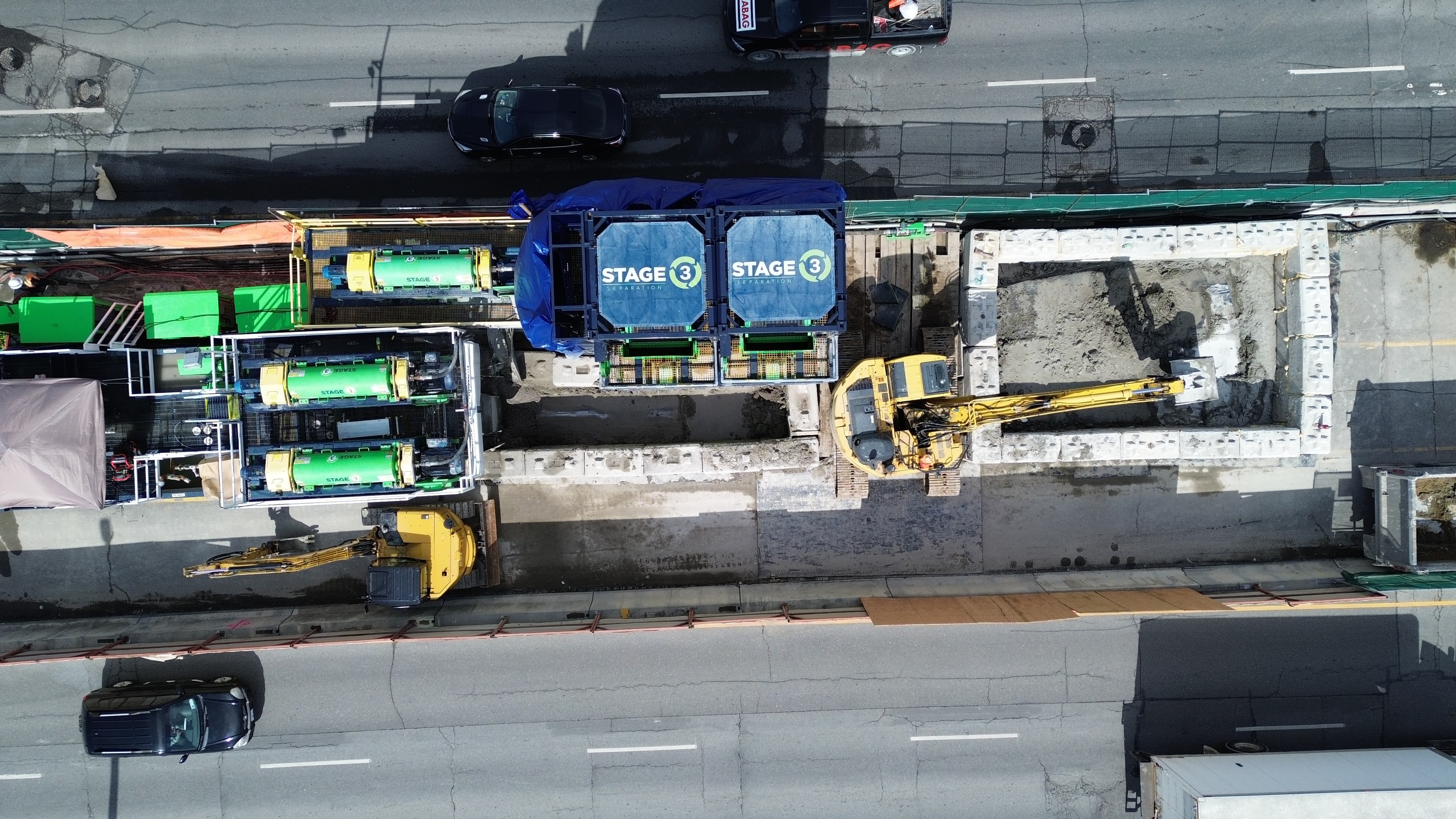
03
Condition and separate the remaining slurry
Tanks, centrifuges, and flocculation additives formed the mobile treatment configuration described by S3S for processing the remaining backflow stream.
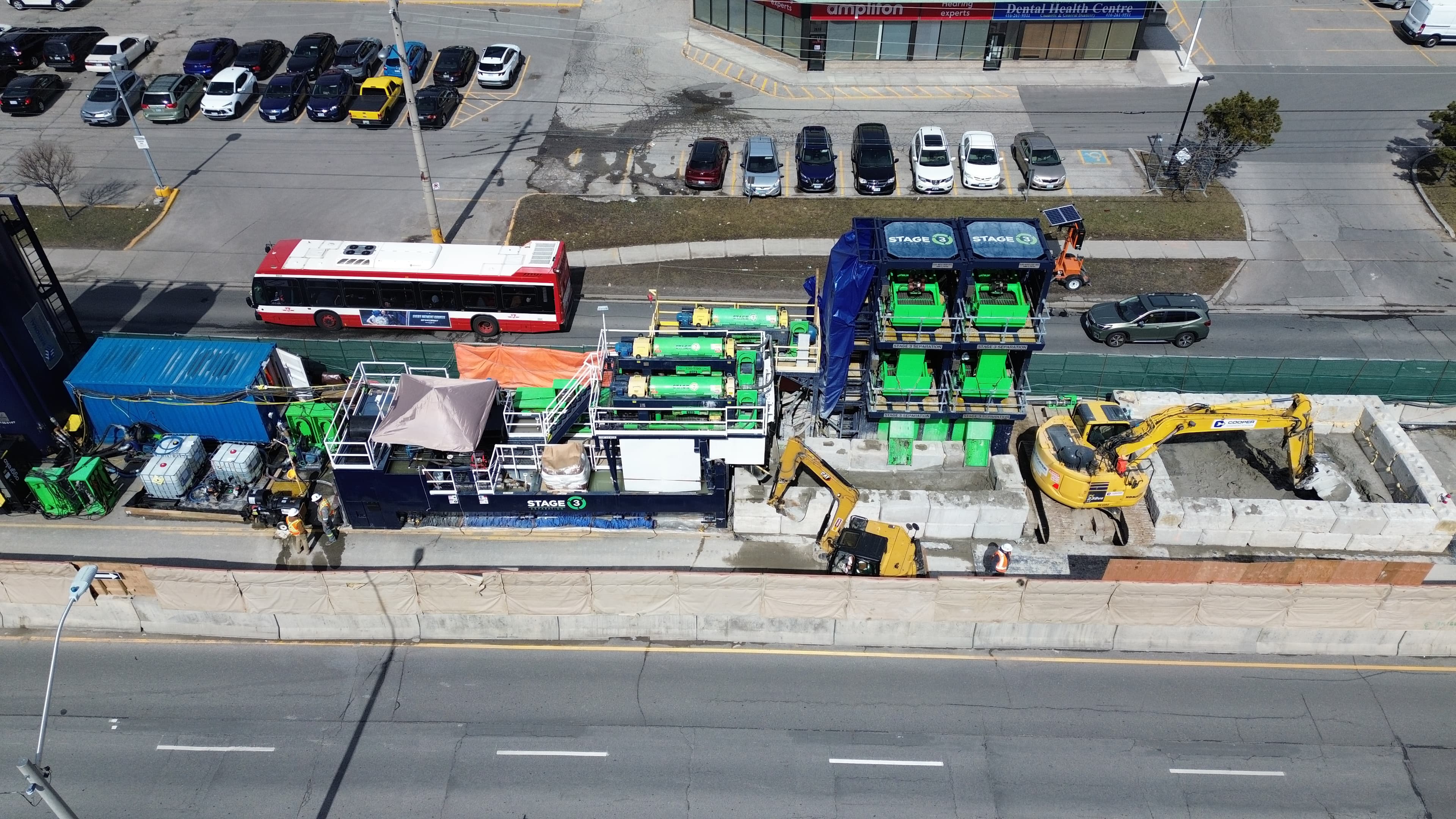
04
Manage outputs to the project plan
The final solids and liquid pathways were part of the published project's handling plan. A new site needs its own confirmed routes, acceptance criteria, and operating assumptions.
Work with S3S
S3S treats backflow without pits or truck traffic.
Tell us the material, the site constraints, and the schedule. S3S will scope a mobile treatment plan built for the space you have.
What happens next
- A separation specialist reviews the slurry, the expected flow and the site.
- We size the equipment and the crew against your schedule and the outputs you need.
- You get a configuration and a scope you can price the job against.