Stage 3 Separation
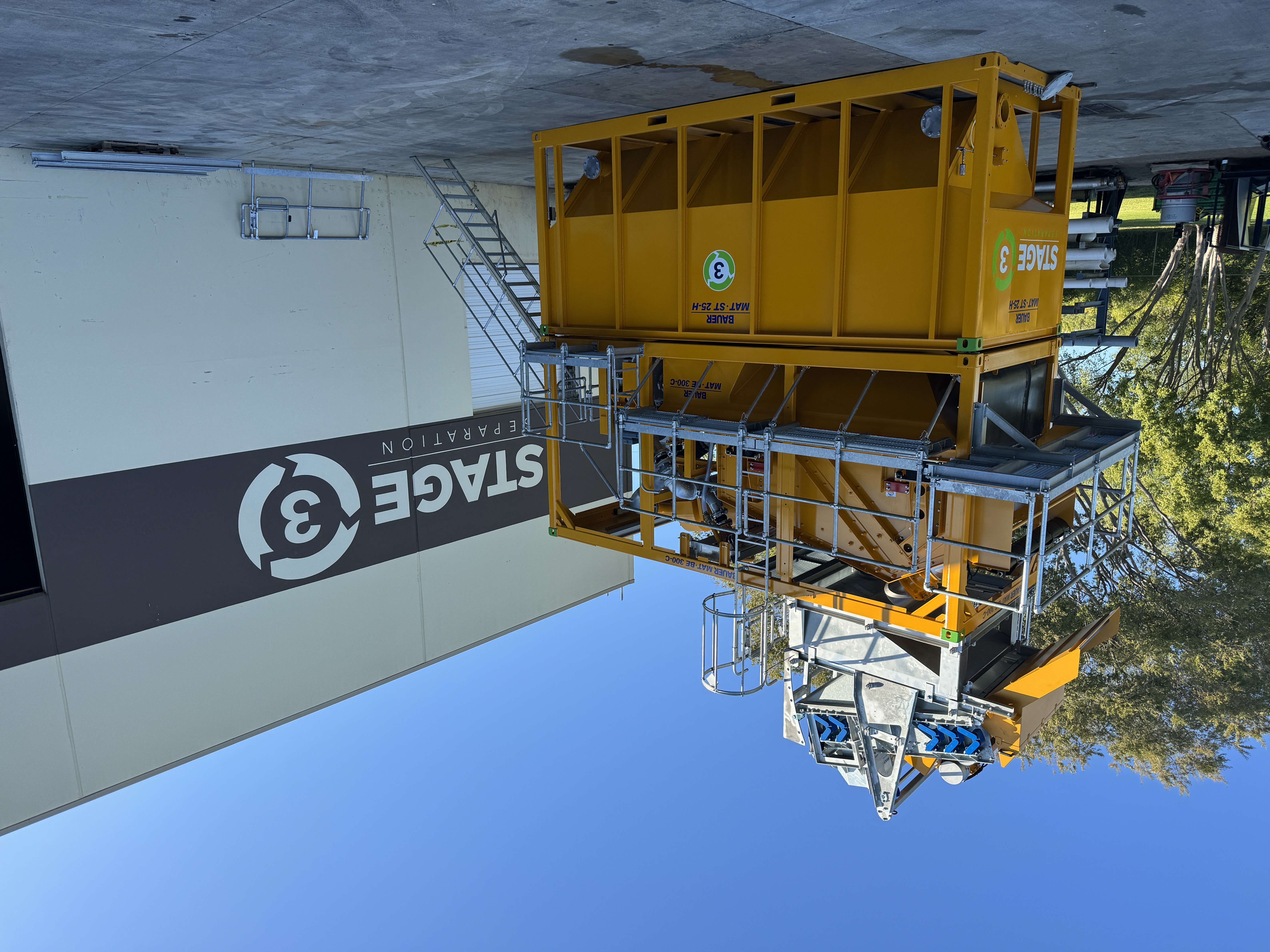
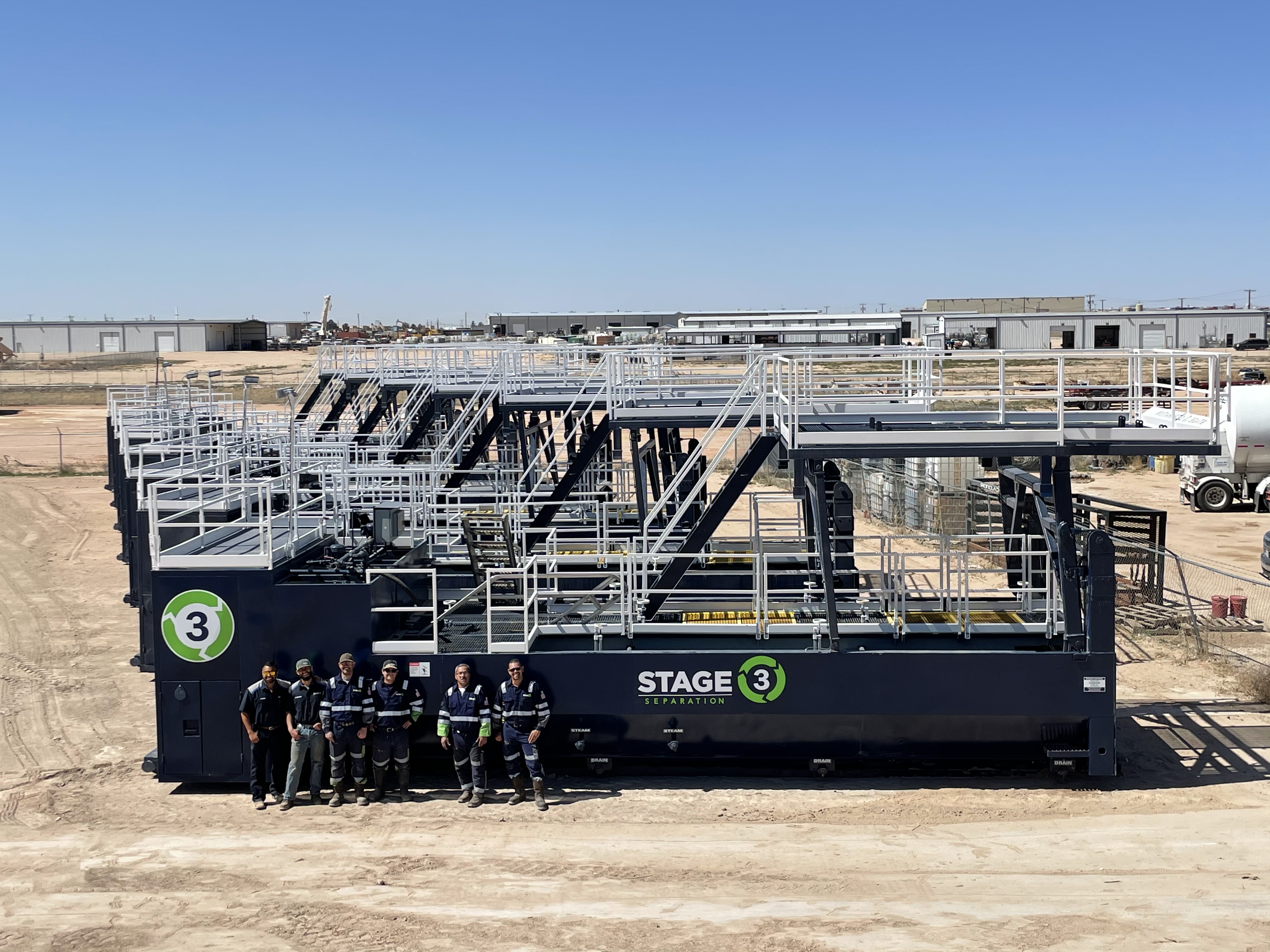
Bauer BE 300-C slurry treatment plant operating in the field

BE 300-C slurry treatment plant

High-volume separation in a compact footprint.

The Bauer BE 300-C gives construction, mining, dredging, industrial, and tunneling projects a three-stage separation package rated for up to 300 cubic meters per hour. S3S configures the plant around your feed, footprint, and output target, then supports the rental with technicians or on-site operation.

Verified plant data

The decision-driving numbers, up front.

These values come from the current public S3S BE-300 brochure. Final sizing still depends on the actual feed, solids profile, site, power, schedule, and required output.

300 m³/hMaximum processing capacity

The stated single-unit maximum for the full BE 300-C package.

>30 micronsFiltered particle size

The brochure lists a filtered particle size greater than 30 microns, or 0.03 millimeters.

20' × 8' × 26'Installed dimensions

A vertical layout that concentrates high-volume treatment in a compact installed envelope.

174 kWInstalled power

The full package is documented for 460 VAC, 60 Hz service.

From feed to managed slurry

Four decisions keep the treatment path moving.

The supplied system combines an adjustable scalping screen, two cyclone sizes, a dewatering screen, and an agitated slurry tank. S3S plans how those components fit the site and what should follow them.

Fluid management planning session
01

Define the feed and output

S3S reviews flow, slurry type, solids profile, footprint, access, available power, schedule, and the required downstream condition before recommending the arrangement.

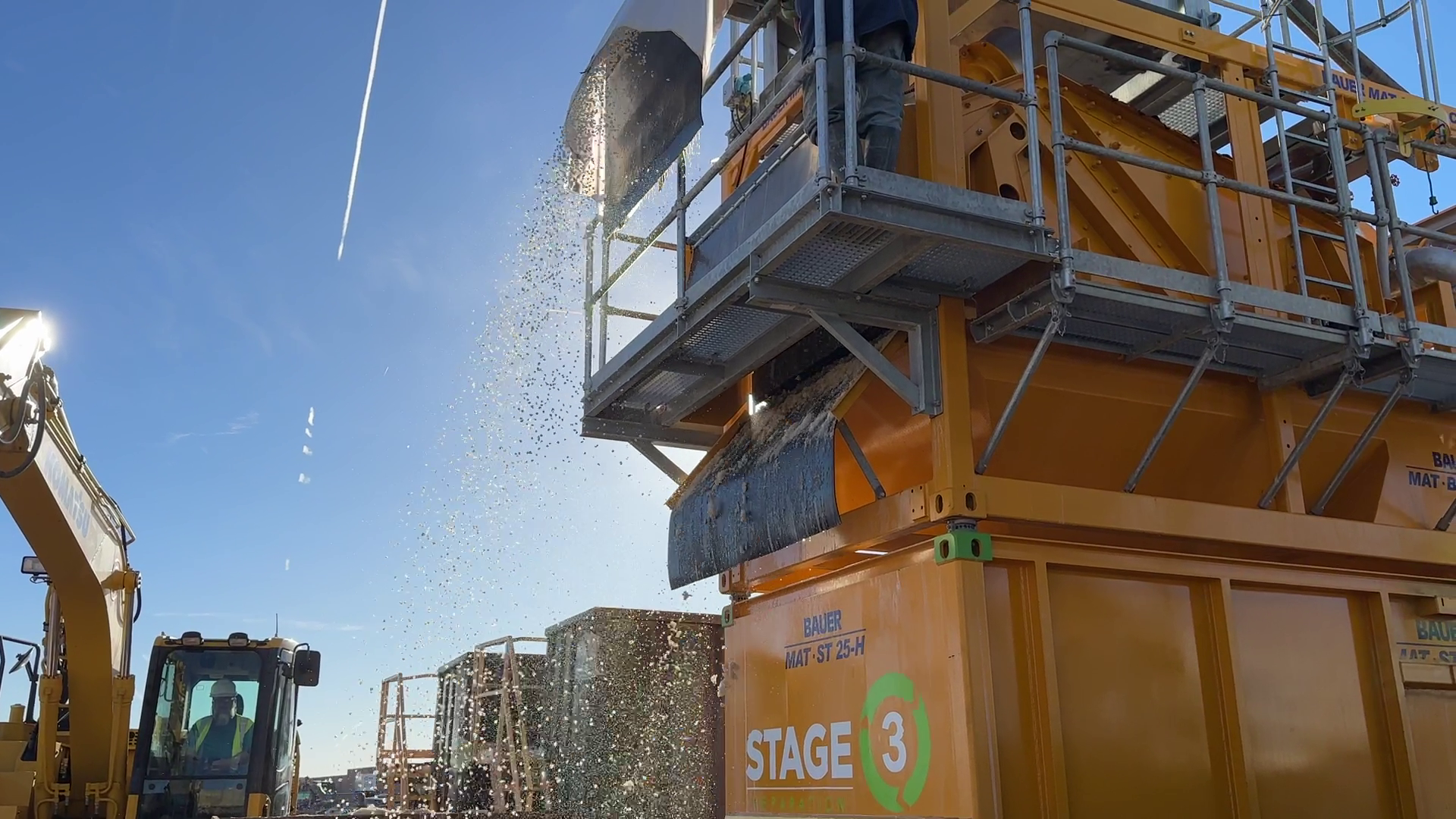
Bauer BE 300-C slurry treatment plant operating in the field
02

Remove oversize material

The GS 425-V adjustable scalping screen removes particles over 5 millimeters before the slurry enters the cyclone module.

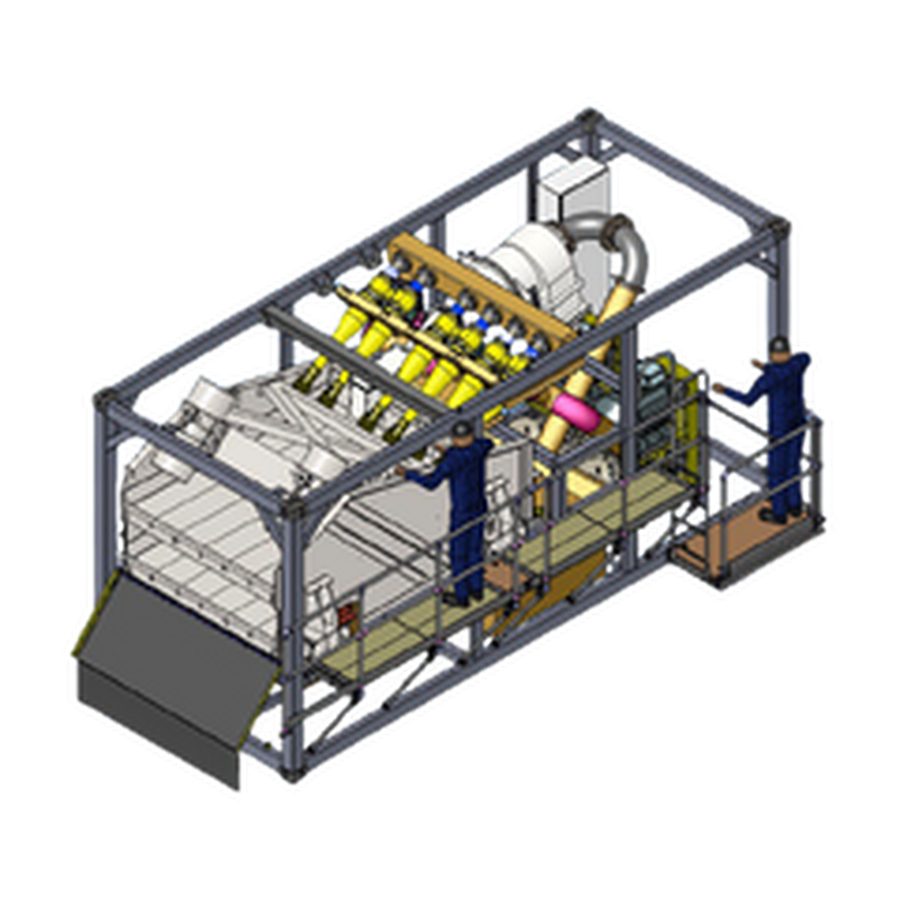
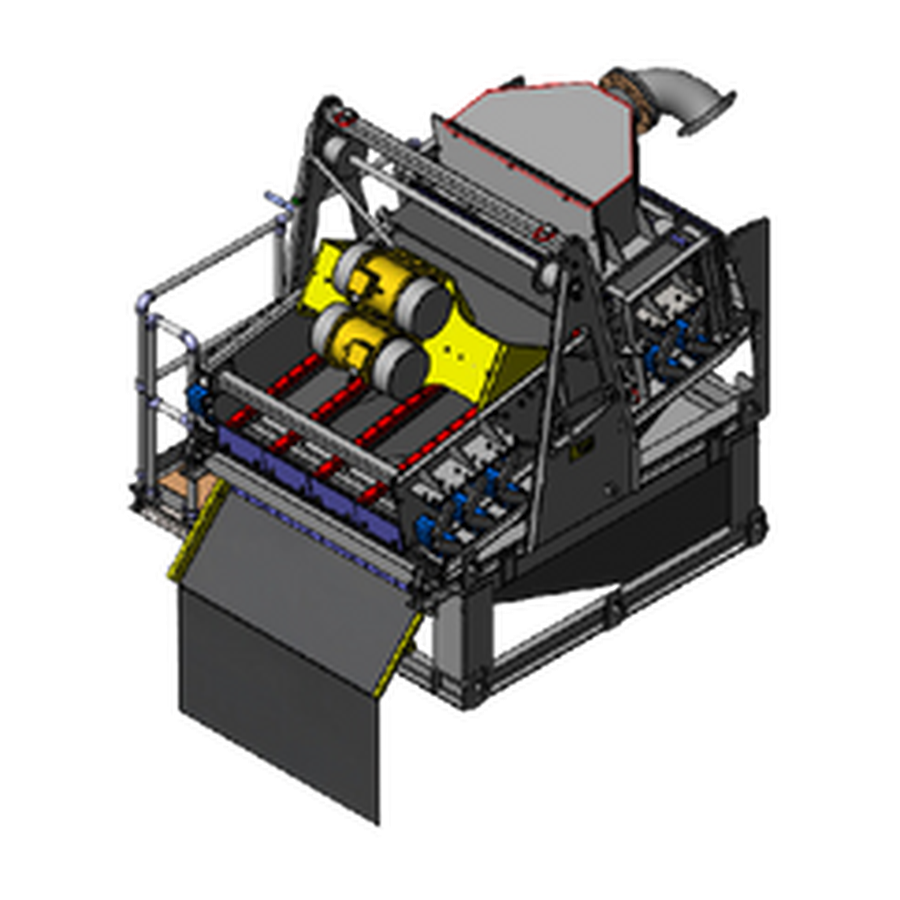
Technical line view of the Bauer BE 300-C treatment package
03

Desand and desilt in sequence

The BE 300-C uses 20-inch and 6-inch cyclone stages to separate progressively finer solids, then routes the slurry across a dewatering screen.

Bauer BE 300-C slurry treatment plant and integrated slurry tank
04

Stabilize the next stage

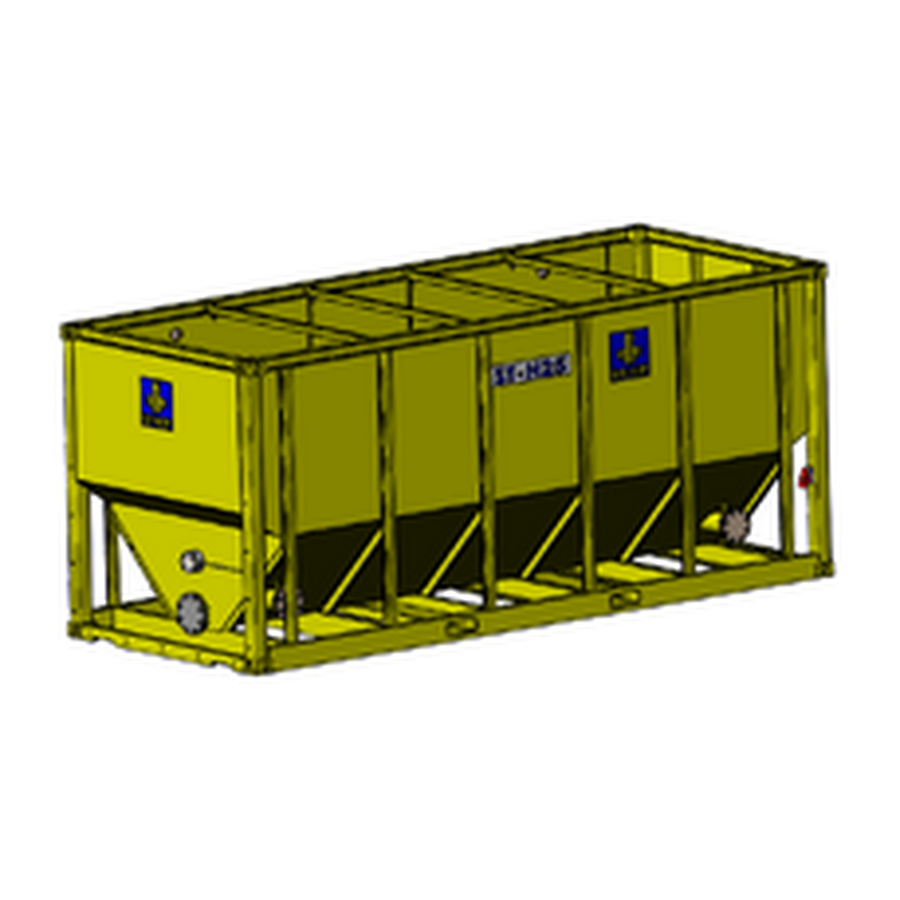
The 25-cubic-meter ST 25-H adds an inclined-bottom, open-top tank with a horizontal helix agitator. S3S configures transfer to the next project-specific recovery or dewatering step.

Configured for the project

Start with one plant. Scale the package and support.

Capacity is one part of plant selection. S3S also reviews the solids range, available footprint and power, operating plan, redundancy, downstream equipment, and the criteria for the treated stream.

One compact three-stage package

A single Bauer BE 300-C combines scalping, double-cyclone separation, dewatering screening, and slurry storage for high-volume work where site space matters.

Maximum capacity
300 m³/h
Installed dimensions
20 ft L × 8 ft W × 26 ft H
Installed power
174 kW at 460 VAC, 60 Hz
Total package weight
44,578 lb
Filtered particle size
>30 microns (0.03 mm)
Tank capacity
25 m³
Bauer BE 300-C slurry treatment plant and integrated slurry tank

Planning the deployment

What technical teams ask first.

The brochure lists a maximum processing capacity of 300 cubic meters per hour for one full package. Actual throughput depends on feed conditions, solids loading, operating setup, and the required output.

The current brochure lists a filtered particle size greater than 30 microns, or 0.03 millimeters. It also documents a scalping screen for particles over 5 millimeters and 20-inch and 6-inch cyclone stages. S3S reviews the actual particle-size distribution before recommending the full treatment train.

Yes. Two BE 300-C units can be combined under Master/Slave PLC control as a BE 600-C package with a documented maximum combined capacity of 600 cubic meters per hour.

Yes. S3S offers the plant for rental with technician support and on-site operation. The final scope depends on the project, crew capability, schedule, and operating requirements.

The package handles scalping, desanding, desilting, dewatering screening, and slurry storage. S3S can connect it to project-specific transfer, fine-solids separation, water recovery, chemical treatment, controls, and reporting based on the required output.

Plan the treatment train

Bring us the slurry, the volume, and the site.

Send the expected flow, slurry type, solids profile, footprint, access, available power, schedule, and required output. S3S will give you a direct recommendation for the plant configuration and operating scope.