01
→Reusable process water
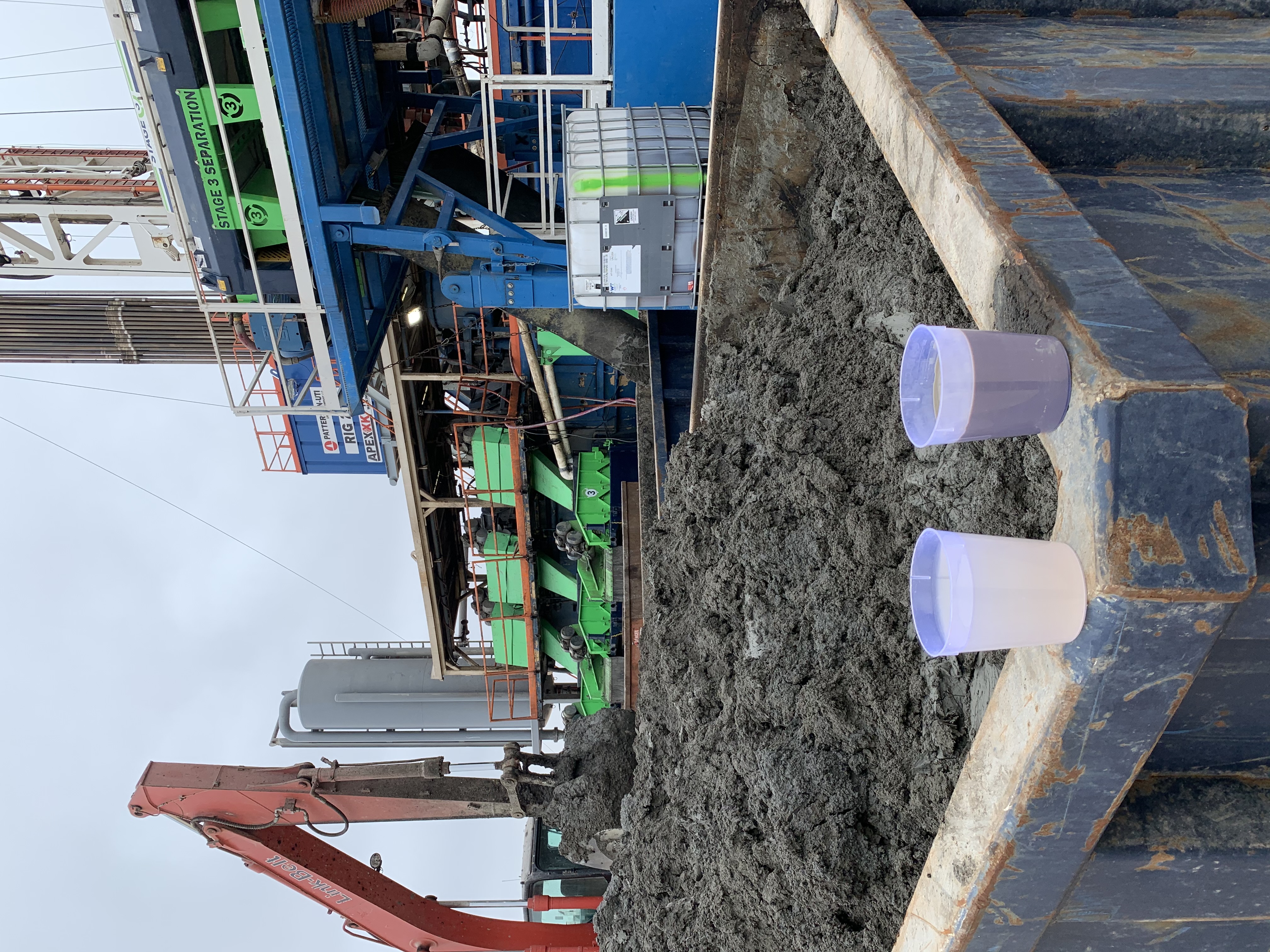
Contaminated water leaves treated: clean enough to recycle into the plant, discharge where permitted, or return to a lagoon. Less make-up water, fewer trucks, and a step toward closed-loop, zero-discharge operation.

Industrial & Municipal
Stage 3 Separation (S3S) turns hydrovac slurry, tank and vessel cleanings, wastewater, and mining slurry into reusable process water, recovered product, dry stackable solids, and the lab-backed proof it all meets your discharge and disposal criteria.
What you get back
Industrial and environmental waste is three problems in one: contaminated water, valuable product locked in the waste, and solids to dispose of. S3S separates all three on site, so a disposal cost becomes something you reuse, sell, or haul off dry.
Contaminated water leaves treated: clean enough to recycle into the plant, discharge where permitted, or return to a lagoon. Less make-up water, fewer trucks, and a step toward closed-loop, zero-discharge operation.
Three-phase centrifuges and dissolved air flotation split oil, water, and solids so recoverable product comes back instead of leaving with the waste. Tank bottoms, slop, and emulsions become recovered oil you can put back to work.
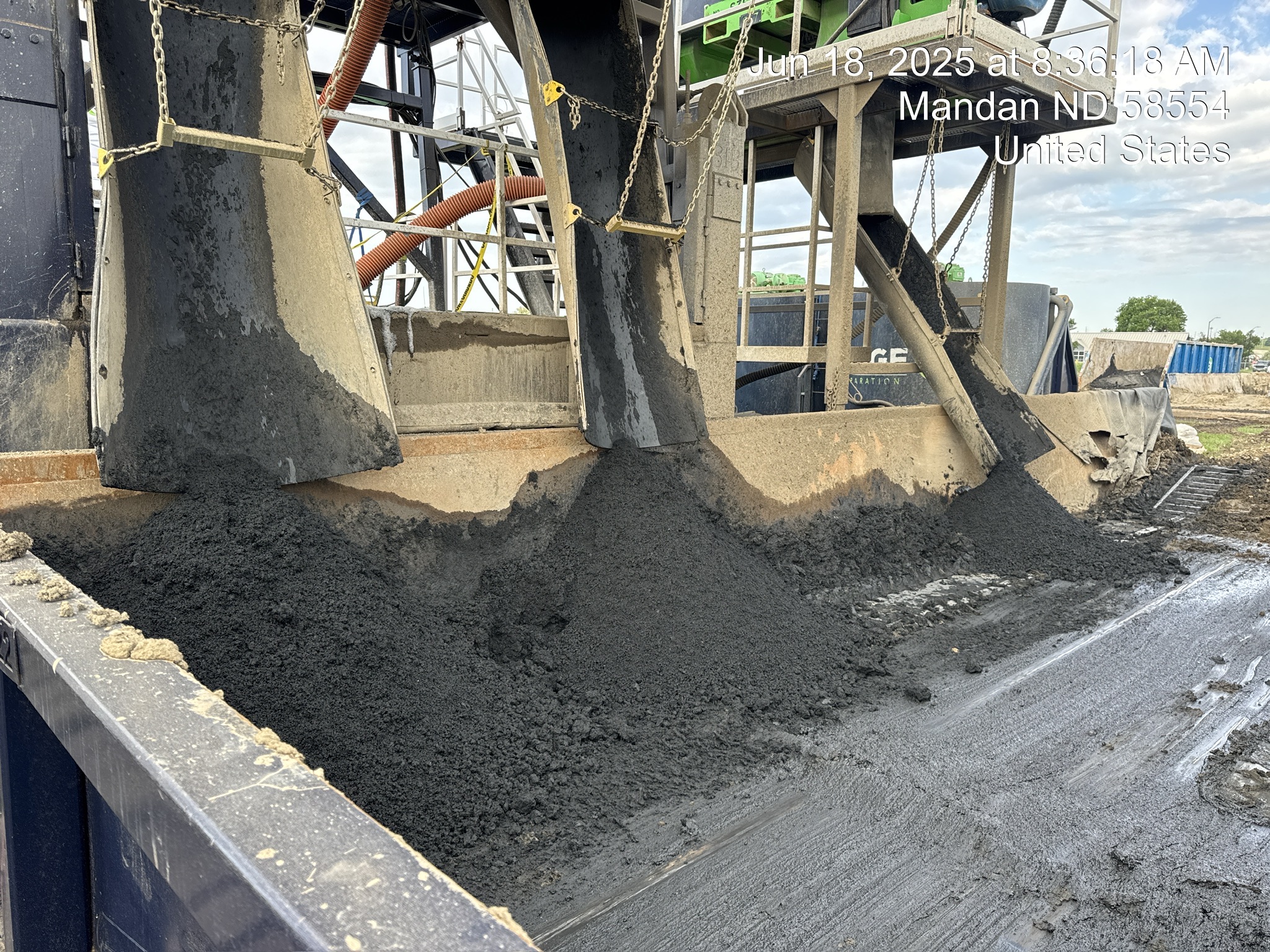
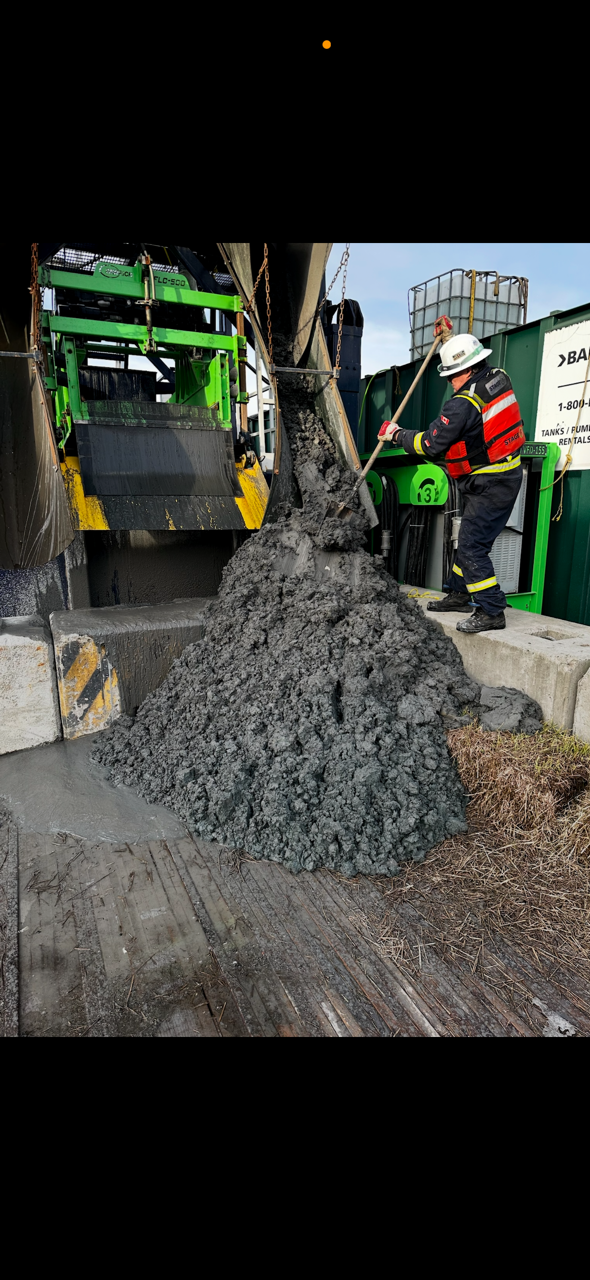
We dewater sludge, biosolids, and process solids to a dry, load-ready state. It is lighter to haul, cheaper to dispose of, and ready to pass the paint-filter and disposal tests. Stackable, not liquid.
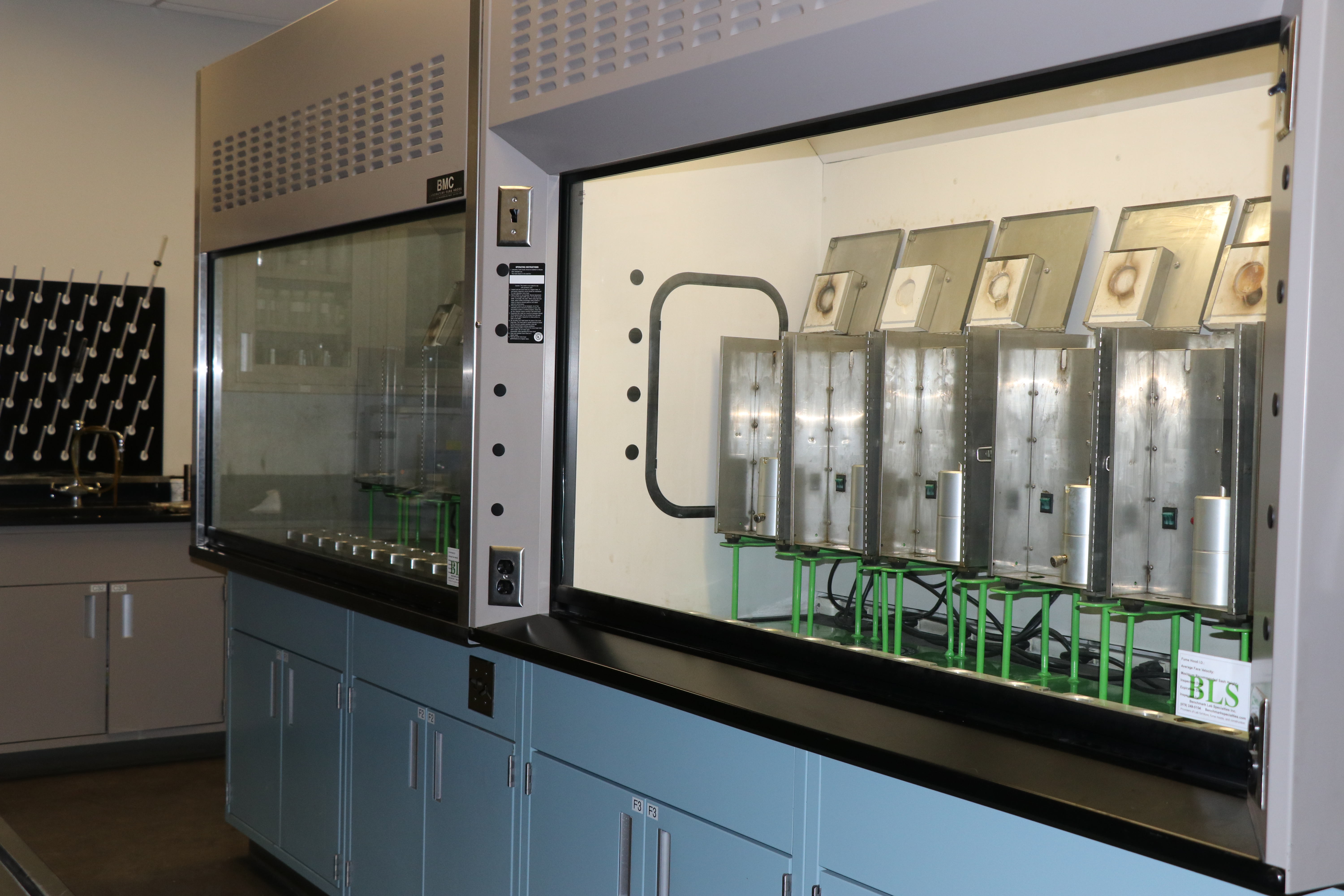
Our lab and field QA/QC verify reclaimed water and separated solids against your discharge and disposal criteria, then document it. You get the numbers your HSE, environmental, and regulatory teams need.
Tell us the fluid, the volume, the site, and the criteria your water and solids have to meet. From there it is on us: we characterize the stream, engineer the train, and rig up compact and self-contained, with no lagoons or pits. Our operators run it from the first load to the last haul-off and hand you the proof. One team owns the whole job.
S3S isn't a rental yard. We engineer the separation around your waste stream, put our own people on it, and stay until the last load is hauled off.
We compete on total project cost, not the lowest line item: less make-up water, less liquid waste in vacuum trucks, recovered product back on your books, and compliance you can document. When a job needs something new, we build it in-house.
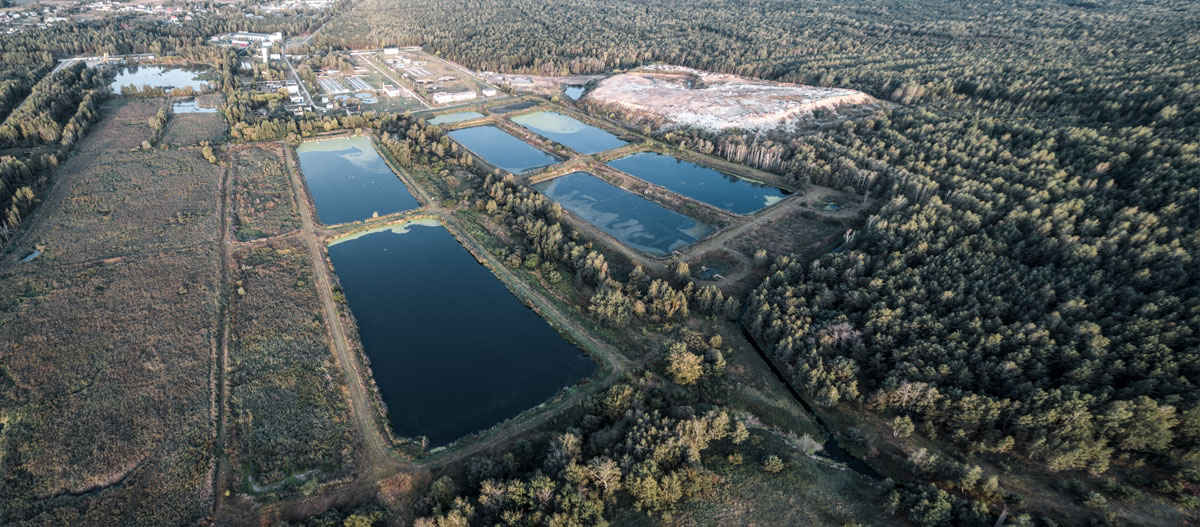
On a biosolids sewage lagoon that hadn't been processed since the 1970s, we dewatered the sludge into dry, stackable solids that passed 100% of the paint-filter tests and returned clean water to the lagoon.
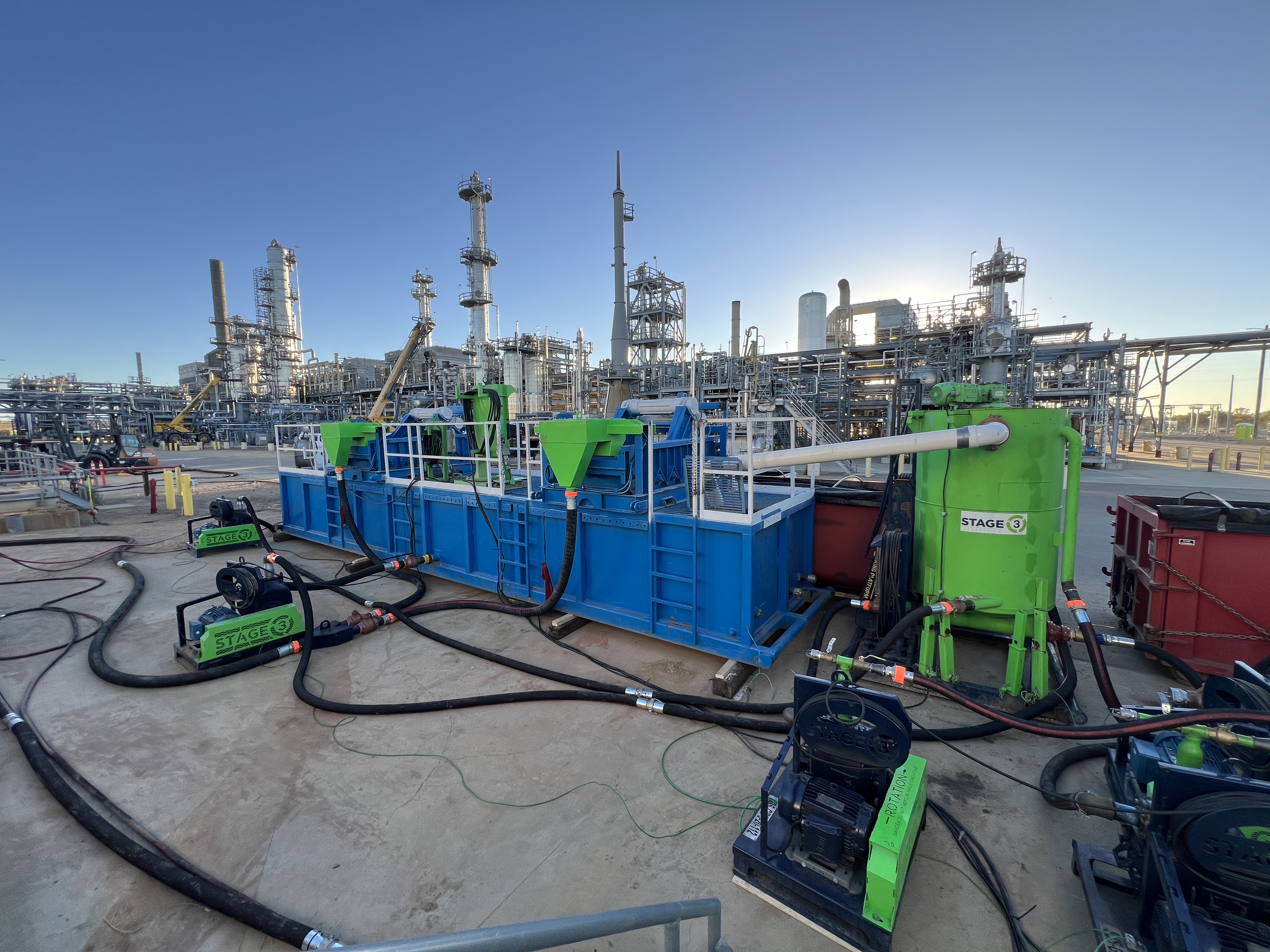
We dewatered an entire industrial pond on a working refinery site, returned clean water, and hauled off dry, stackable solids, with the plant running the whole time.
Three decades and more than 7,500 projects across oil and gas, construction, industrial, municipal, and dredging. We've run into your waste stream before.
Separation technology
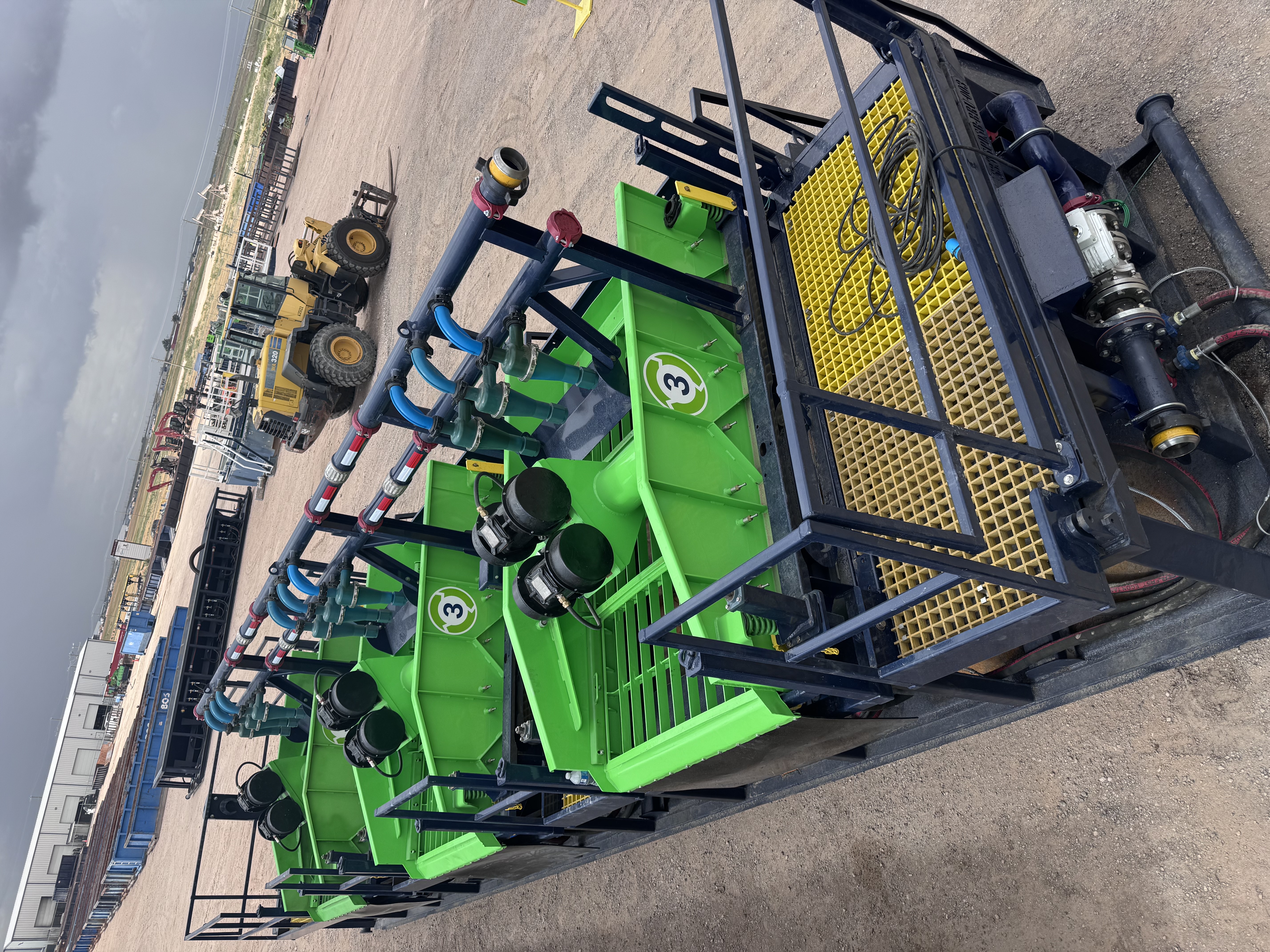
Industrial and environmental waste doesn't fit one machine. S3S configures the train around your fluid chemistry, solids load, footprint, and whether you need to reuse, recover, or dispose. The lab sets the target; the equipment hits it.
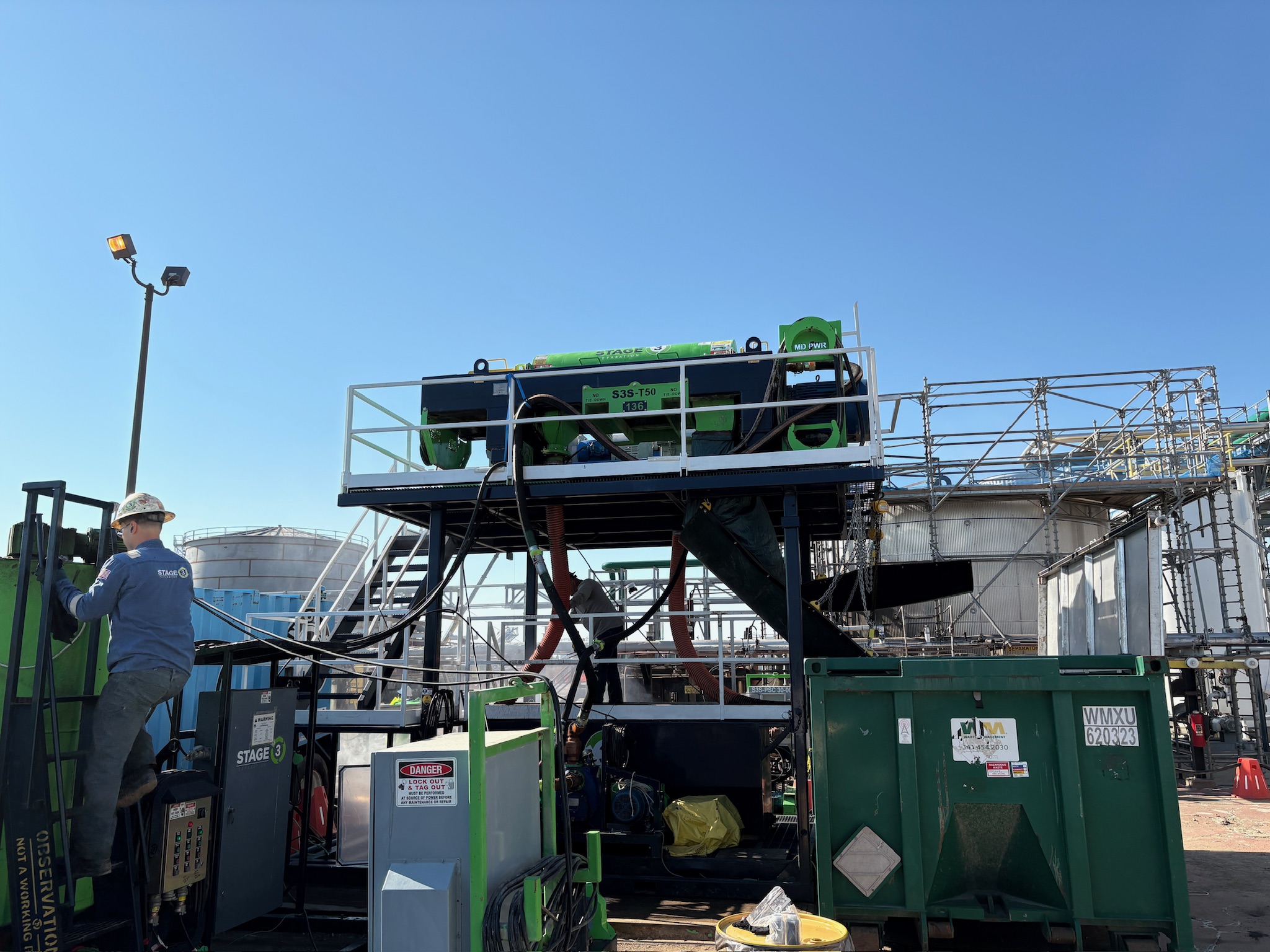
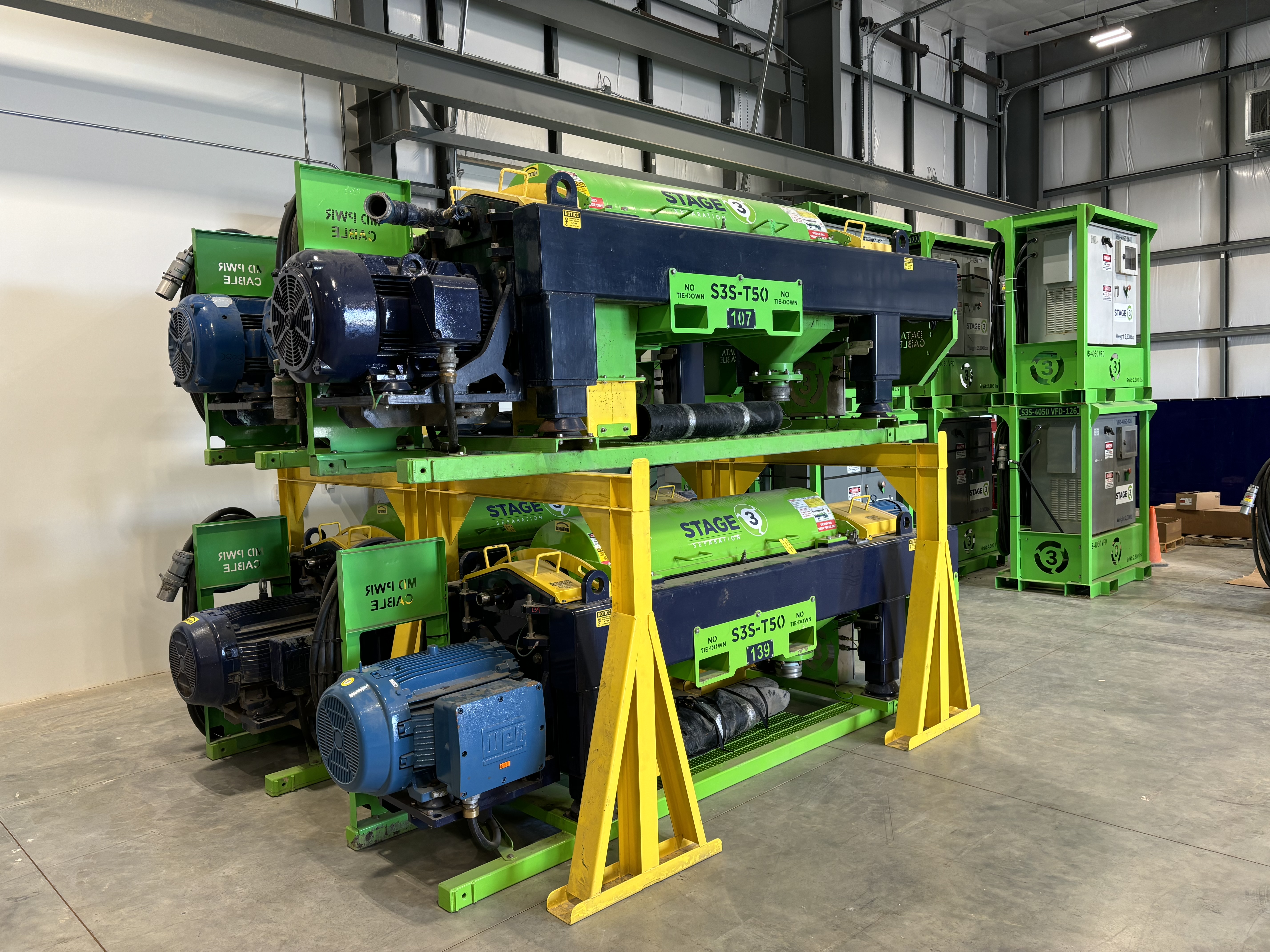
To process tank bottoms and recover as much oil as possible, the S3S Tri-Canter separates waste into light liquid, heavy liquid, and solids in one pass. Fully variable control dials in hyper-accurate oil-water separation for edible and inedible oils, oil and gas, and industrial streams.
Applications
The same S3S model applies across the industrial and environmental map: characterize the stream, engineer the train, run it on site, and prove the outcome. From Houston and Midland to Calgary and the Bakken, our crews mobilize to the plant or the pond.
Process water recycling, oil-water separation, chemical and product recovery, and tank cleaning for refining, petrochemical, chemical processing, power generation, mining, and food and agriculture.
Lagoon dewatering and discharge mitigation, biosolids and sewage dewatering, digester cleanout, sand recovery, storm-water catch-basin cleanouts, and disaster-relief waste.
Lab-backed QA/QC on reclaimed water and solids so discharge, disposal, and remediation work meets criteria, with the proof documented for HSE and regulators.
S3S de-sludged two anaerobic sewage lagoons unprocessed since the 1970s. Using the patented clear-water-loop system, we removed 550 tons of dry material at an average 33% solids content, passed 100% of the paint-filter tests, and returned clean water to the lagoon.
We dewatered an entire industrial pond on a working refinery site, returned clean water, and hauled off dry, stackable solids. It was a first of its kind for the crew, and it ran clean while the plant kept operating.
On tank bottoms and slop, the Tri-Canter three-phase centrifuge splits oil, water, and solids so recoverable product comes back to the operator instead of leaving with the waste. Recover the oil, reuse the water, haul off only what's dry.
On a lot of jobs we cut the volume hauled off by roughly half: fewer vacuum trucks on the road, far less material buried. We're a separation company, but we're an environmental one too.
When a customer calls, we can be rigged up and running inside a day, because we stage ready equipment across the continent and service it before it is needed rather than after.
For hydrovac and utility contractors. We dewater hydrovac spoils and catch-basin cleanouts on site so trucks turn around faster and liquid-waste disposal drops. Whatever is in the waste stream, we have likely separated it before, and we show up ready to run.
See the biosolids case study→Plant fluids, hydrovac spoils, wastewater, and mining slurry look like different problems. They separate on the same equipment, tuned to the material and the number your water has to hit.
Every load of hydrovac slurry is a dump fee attached to a truck that can only turn two or three loads a day. S3S sets up where the slurry is made and processes it there. The water goes back into the operation or down the sewer at whatever criteria you have to meet, and what leaves is a dump truck of dry solids.
Most operators know what they are paying to dispose of slurry. Fewer know how clean we can get the water, which is usually the part that changes the math.
Tank bottoms, slop oil, and separator sludge are three things in one: hydrocarbon you want back, water you have to deal with, and solids you have to dispose of. The Tri-Canter three-phase centrifuge splits all three in a single pass, so recoverable product comes back to you instead of leaving with the waste. On tank bottoms and emulsions the recovered oil often offsets part of the job cost, and the unit stays in service while we work.
You set the number the water has to hit. We hit it and document it. S3S runs DAF and post-DAF 30-micron filtration to polish process water to a clear water target, then the lab verifies it against your discharge or reuse criteria. Recycle it into the plant, send it to sewer where permitted, or return it to the lagoon.
Digester cleanouts, sewage and biosolids dewatering, and process water recycling all run on the same loop, and the documentation goes to your HSE and regulatory teams.
Mining slurry is heavy, abrasive, and continuous, which is what wears out equipment never built for it. S3S deploys the BE-300 slurry treatment plant on severe civil and mining duty, running a high-frequency scalping screen and double-cyclone desanding at up to 300 m³/h on a 20 by 8 foot footprint. Process water comes back for reuse and the solids concentrate into something you can handle dry.
Common questions
Yes. Our Tri-Canter three-phase centrifuge separates waste into oil, water, and solids in a single pass, so recoverable product comes back to you instead of leaving with the waste. On tank bottoms, slop, and emulsions, that recovered oil often offsets part of the job cost.
To whatever specification you require: recycle into the plant, discharge to sewer where permitted, return to a lagoon, or meet disposal criteria. Our DAF and post-DAF 30-micron filtration polish process water to a clear-water target, and the lab verifies it. You set the target; we document it.
Yes. Our clear-water-loop system is compact, self-powered, and self-contained, with no separate pits or lagoons. We have dewatered a full pond on a working refinery and de-sludged active sewage lagoons while the sites kept operating, returning clean water and dry, stackable solids.
On-site dewatering pulls the water out of the waste stream, so you haul far less volume and can reuse the recovered water instead of trucking in fresh. That cuts vacuum-truck trips, liquid-waste disposal, and the cost tied to both.
Yes. S3S lab and field QA/QC verify reclaimed water, recovered fluid, and separated solids against your discharge and disposal criteria, then document it. Dry solids are dewatered to pass the paint-filter and disposal tests. You get the numbers your HSE, environmental, and regulatory teams need.
Yes. The platform applies across refining, chemical, power, mining, food and agriculture, municipal and utility work, and environmental remediation. Equipment and chemistry change, but the model stays the same: characterize, engineer, run it on site, and prove the outcome.
S3S turns industrial process waste, tank bottoms, sludge, and remediation streams into reusable water, recovered oil and product, and dry, stackable solids, with a smaller footprint, fewer trucks, and one team that owns the whole job.
Less make-up water. Less liquid-waste haul-off. Recovered product back on your books. Compliance you can document.
Refining, chemical, power, mining, food, municipal, and environmental remediation. One platform, deployed across North America.