
On a biosolids lagoon, S3S turned decades-old sludge into 550 tons of dry, stackable solids and sent clean water back to the lagoon.
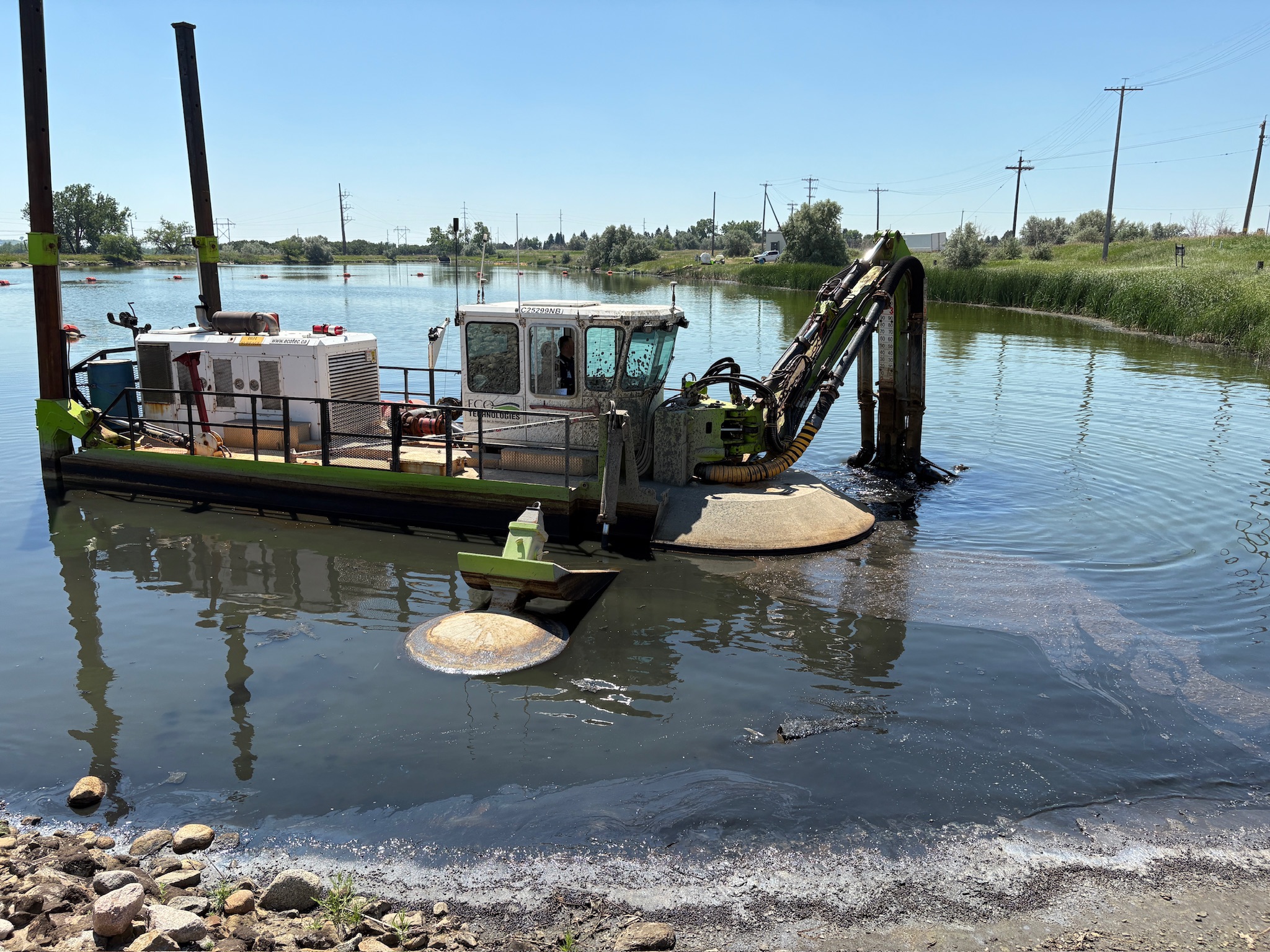
Dredging
Dredge spoil in. Clean water and dry solids out.
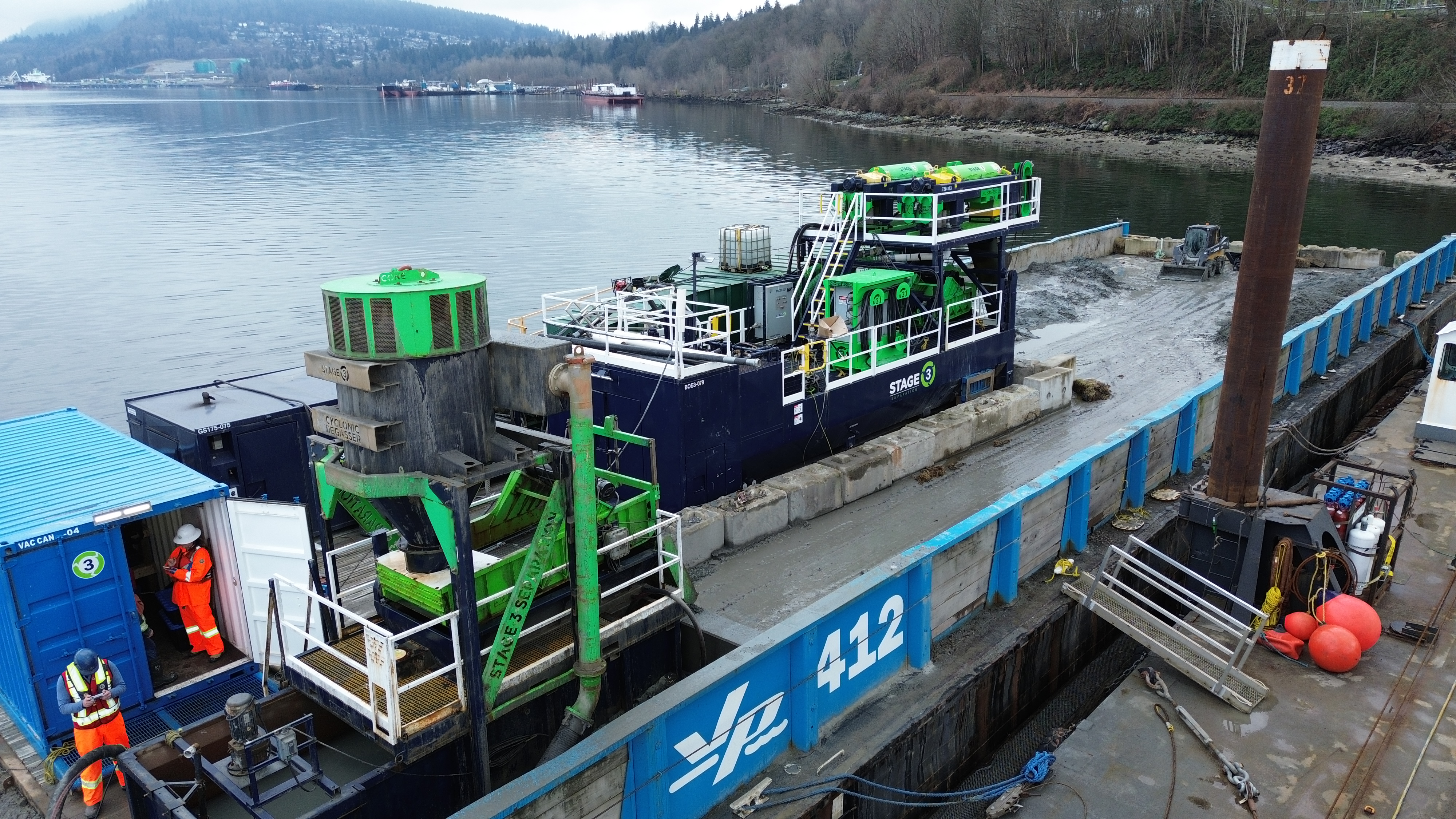
Stage 3 Separation (S3S) does dredge spoil dewatering and solids control right at the water's edge. Clear water goes back to the waterbody, and the sediment leaves as dry, stackable solids that pass disposal.
By the numbers
What on-site dewatering does to the job
Dredged material is mostly water. Pull the water out on site and you change the economics of the whole project: less to haul, less to dispose of, and clean water back where it came from.
The dewatered solids from that lagoon passed every paint-filter test, so the material moved to disposal in standard end-dump trucks.
Ready equipment staged across North America means S3S can be rigged up and processing on a dredging site inside a day.
Thirty-plus years across dredging, municipal, energy, industrial, and construction work. We have run into your sediment problem before.
What you get
Sediment handled. Water returned. Solids ready to load.
A dredging job creates three problems at once: a high-volume slurry stream, water that has to go somewhere clean, and solids that have to pass disposal. S3S handles all three on one modular system that fits the site you already have.
01
→High-capacity slurry processing
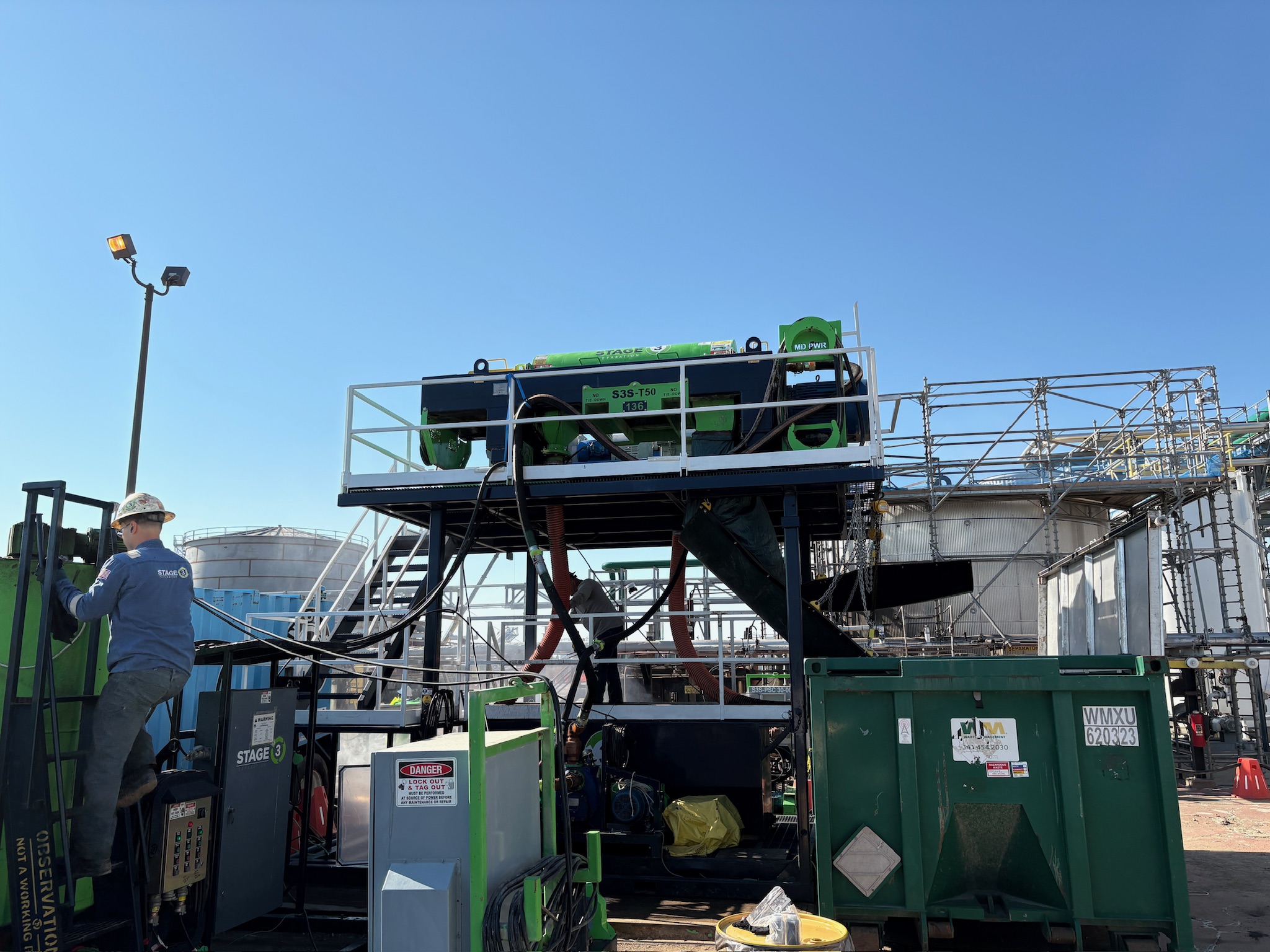
Modular slurry treatment and dewatering trains take dredge spoil straight off the cutterhead or pump line and separate it at volume. Scale units up for a big lagoon or down for a tight shoreline.
02
→Clear-water return
Water comes in as slurry and leaves clean enough to return to the waterbody, reuse in the dredge loop, or discharge where permitted. That is the difference between a closed-loop job and a haul-off job.
03
→Dry, stackable solids
Dredged sediment leaves as a dry, load-ready pile instead of a soupy slurry. Lighter to haul, cheaper to dispose of, and dry enough to pass the paint-filter test at the landfill gate.
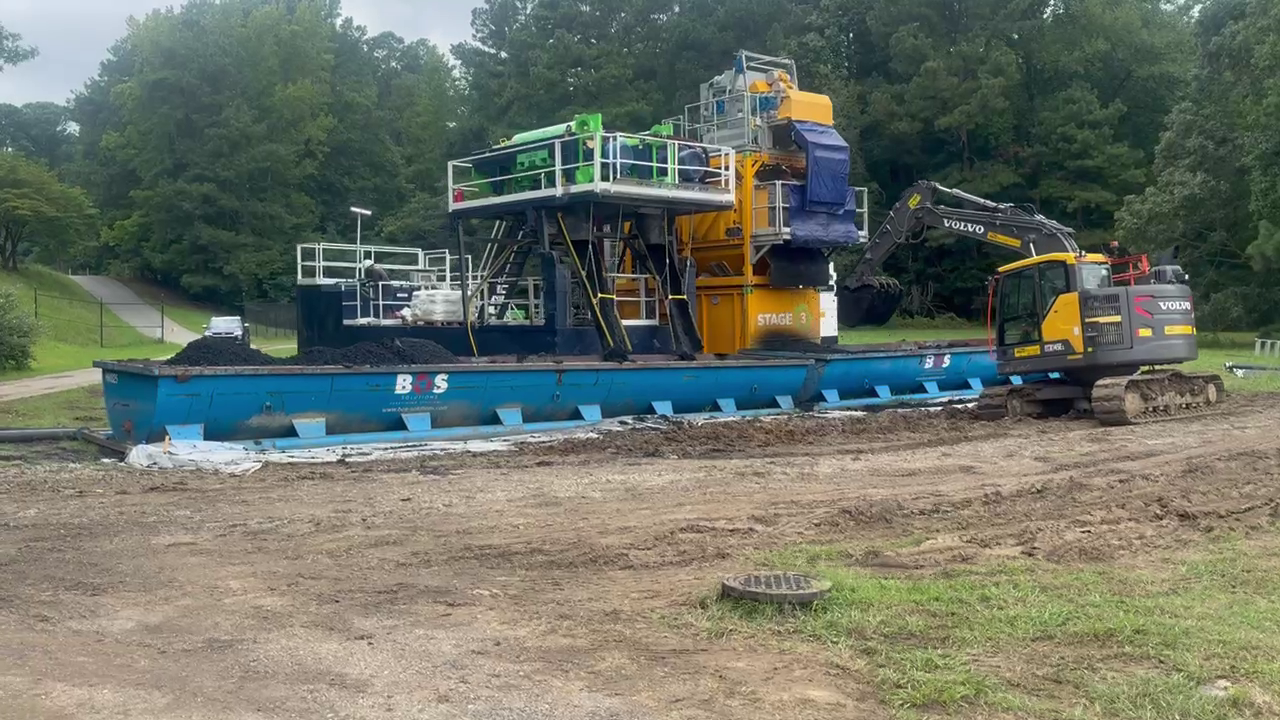
How a dredging project works
From the water's edge to the disposal gate
Tell us the sediment, the volume, the site, and what you need back. From there it is on us. We engineer the system, prove the chemistry in the lab, run it on site, and prove the result.
01
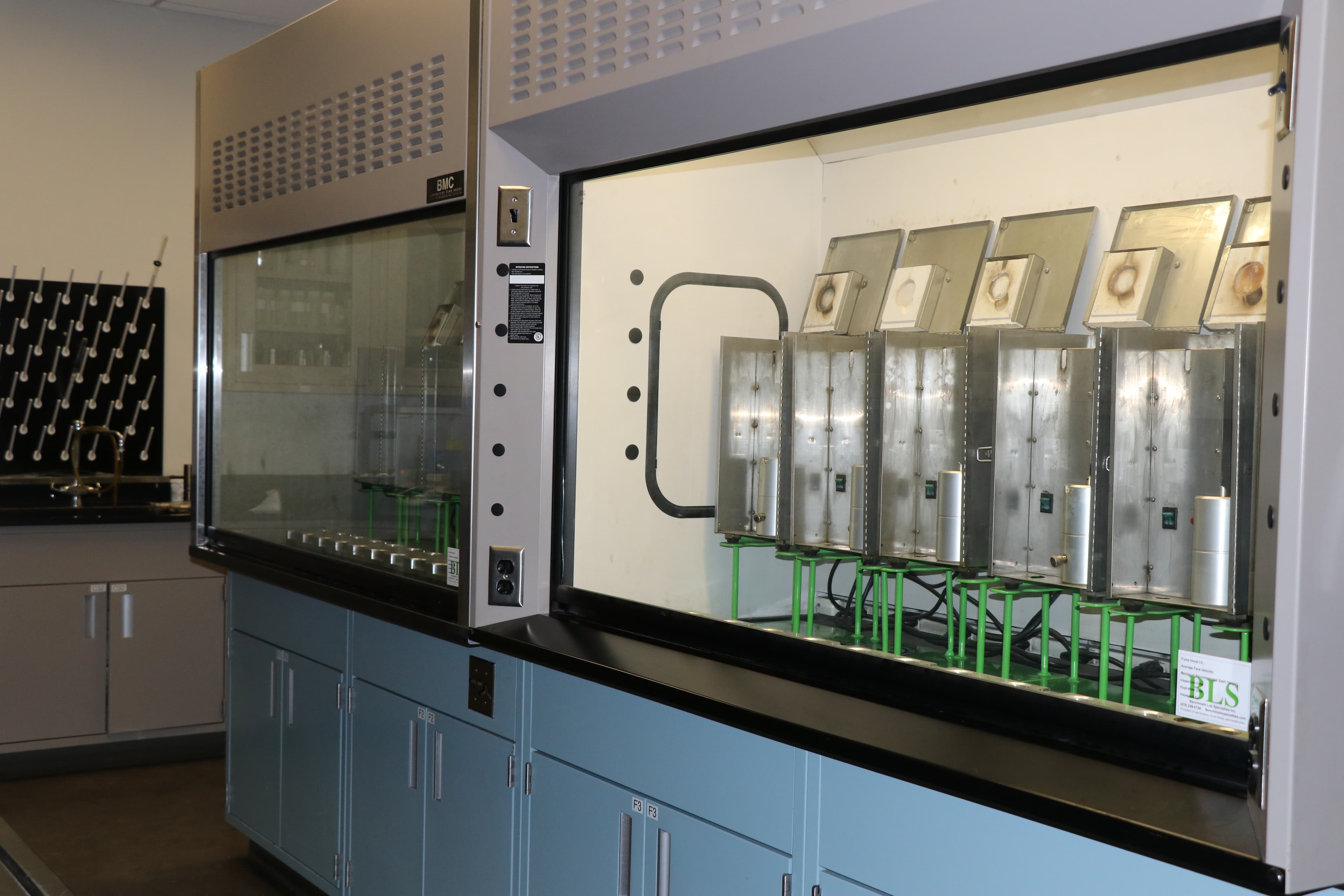
Characterize the sediment
We test the spoil for solids load, particle size, contaminants, and dewaterability, then size the system and set the discharge target before anything mobilizes.
02
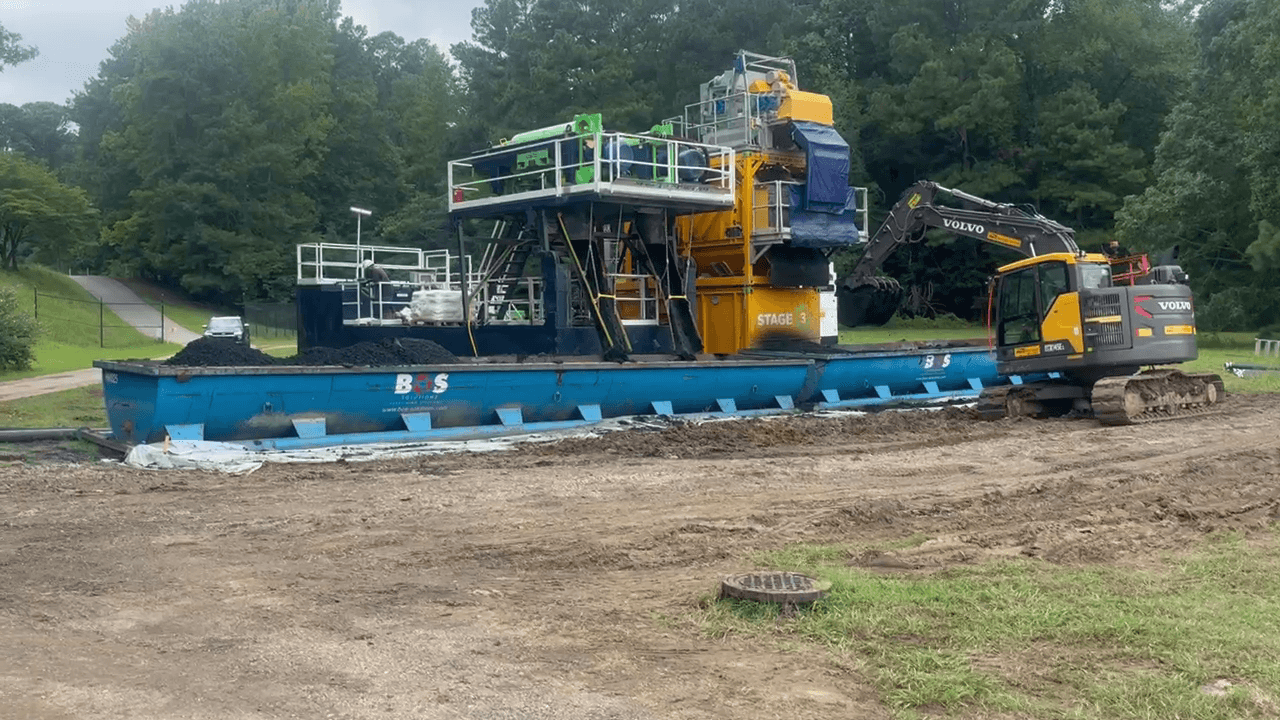
Dewater on site
Our crew runs the slurry train on the barge, shoreline, or pond edge, injecting polymer to bind the fines and pulling water out of the sediment as it feeds through.
03
Return water, load solids, prove it
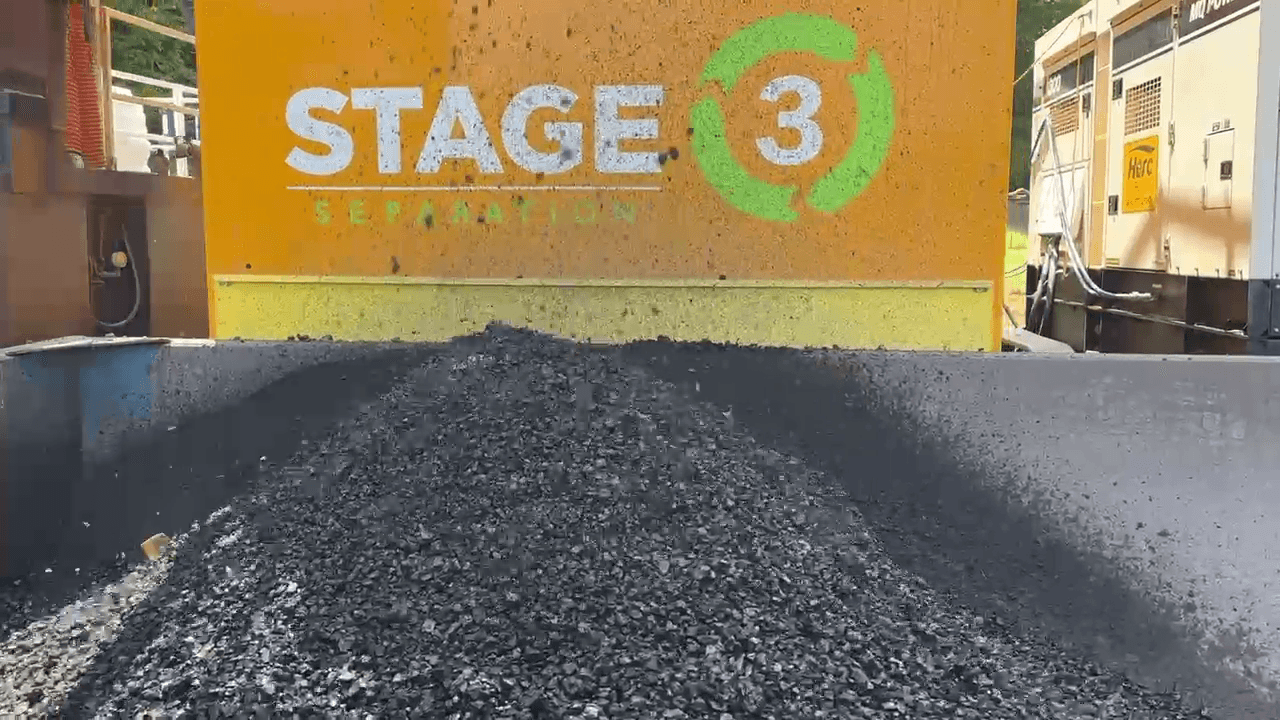
Clean water goes back to the waterbody, dry solids load into standard trucks, and you get the sampling and volume data regulators and disposal sites want to see.
Our advantage
Easy to dredge.
Hard to handle what comes up.
Getting sediment out of the water is the simple part. Turning that slurry into clean water and disposal-ready solids, on a barge or a sensitive shoreline, is the part S3S owns.
We are not a rental yard. We engineer the dewatering system around your material, put our own people on it, and stay until the last load is hauled off. We compete on total project cost, not the lowest bid.
Built for tight, sensitive sites
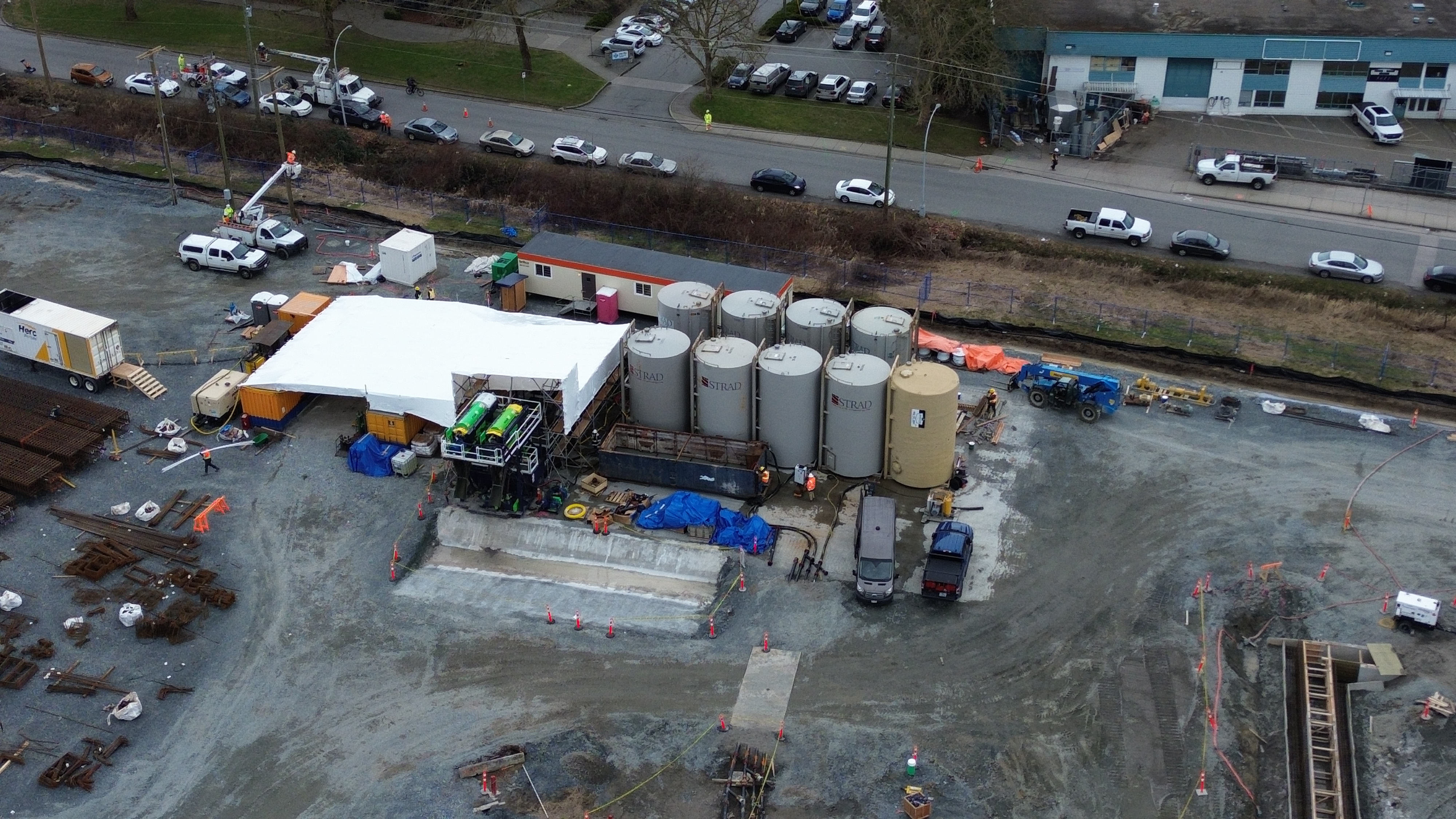
Compact, self-contained, modular systems fit barges, shorelines, and space-limited pond edges. No lagoons, no pits, no separate equipment yard.
Contaminated material, handled
Environmental and remediation dredging means the sediment is often the problem. We build the chemistry and containment around what is actually in the spoil.
Proof regulators accept
Real-time material verification and sampling document what the water and solids meet, so discharge and disposal decisions rest on data, not assumptions.
One system, from slurry to stackable
01
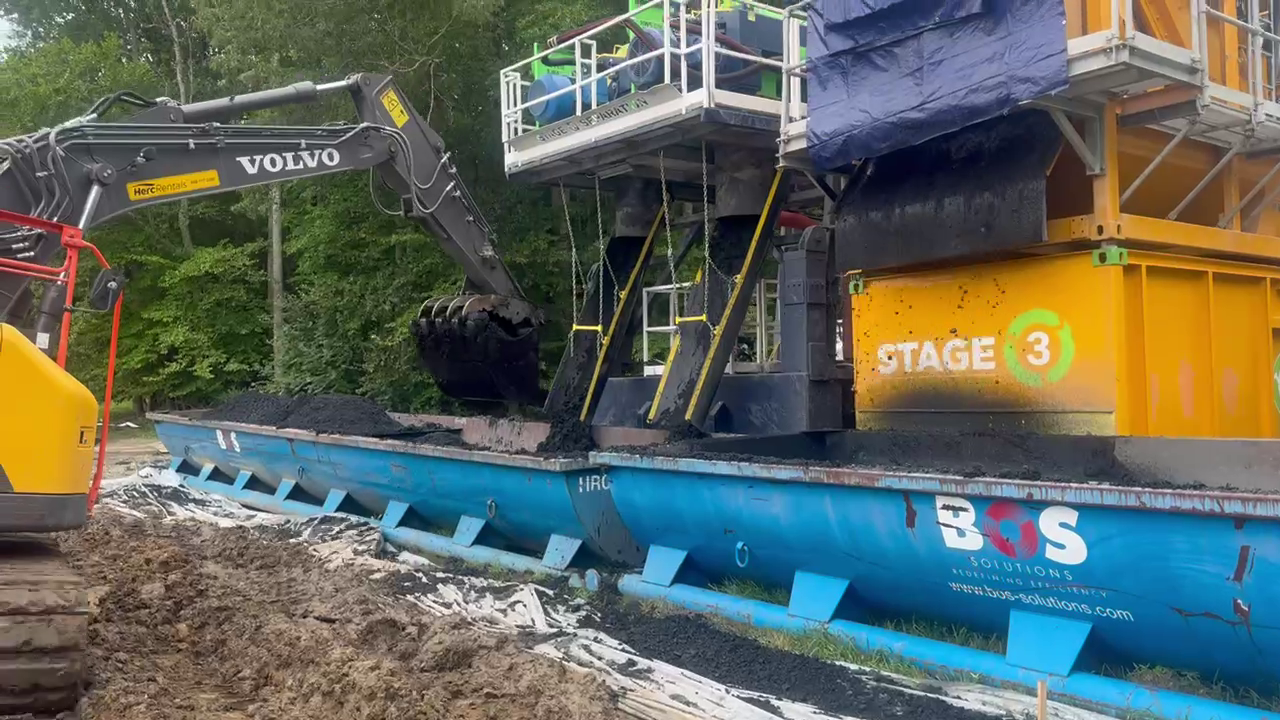
Dredge spoil fed straight into the slurry treatment train
02
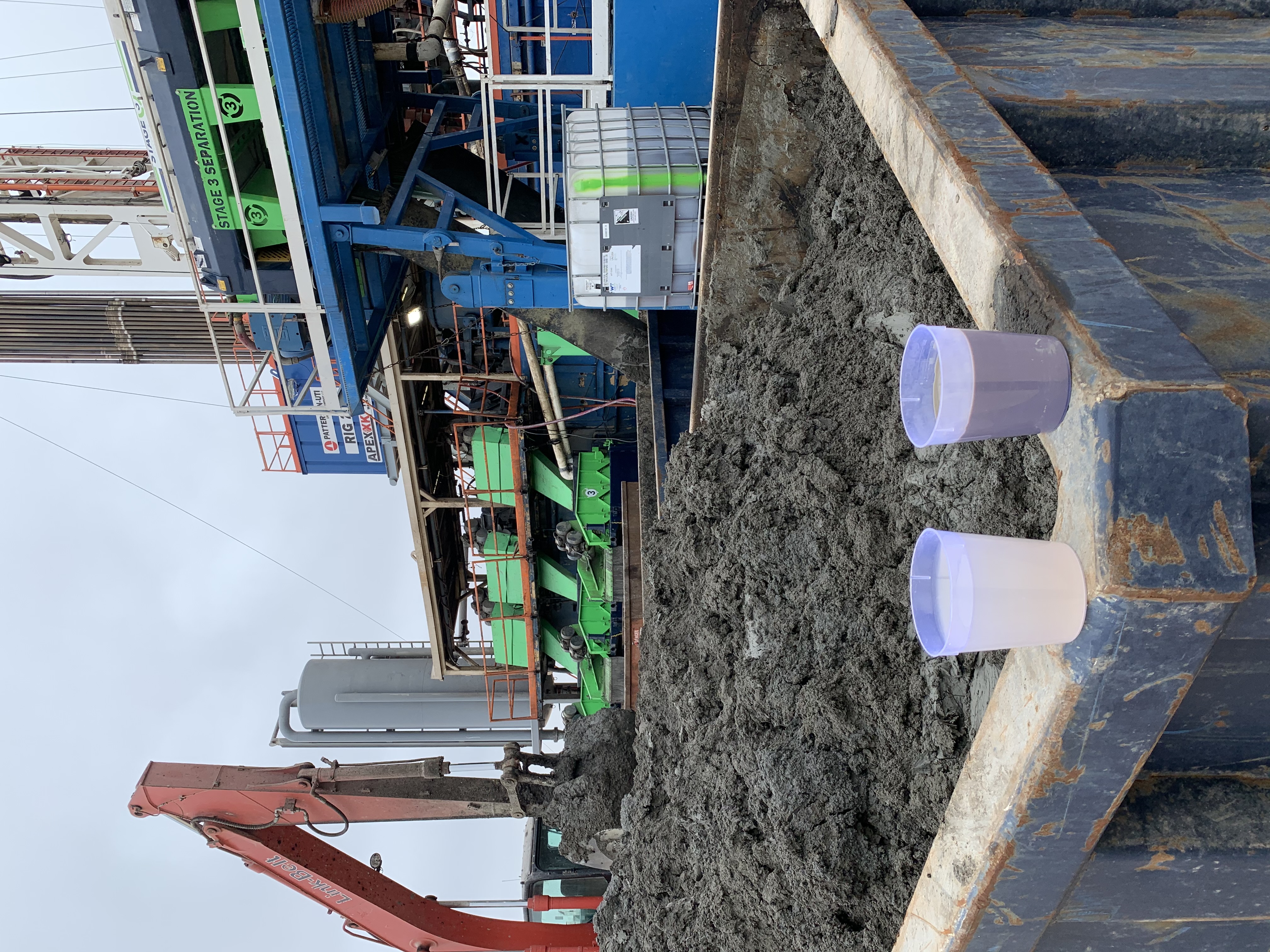
Clear water returned to the waterbody
03
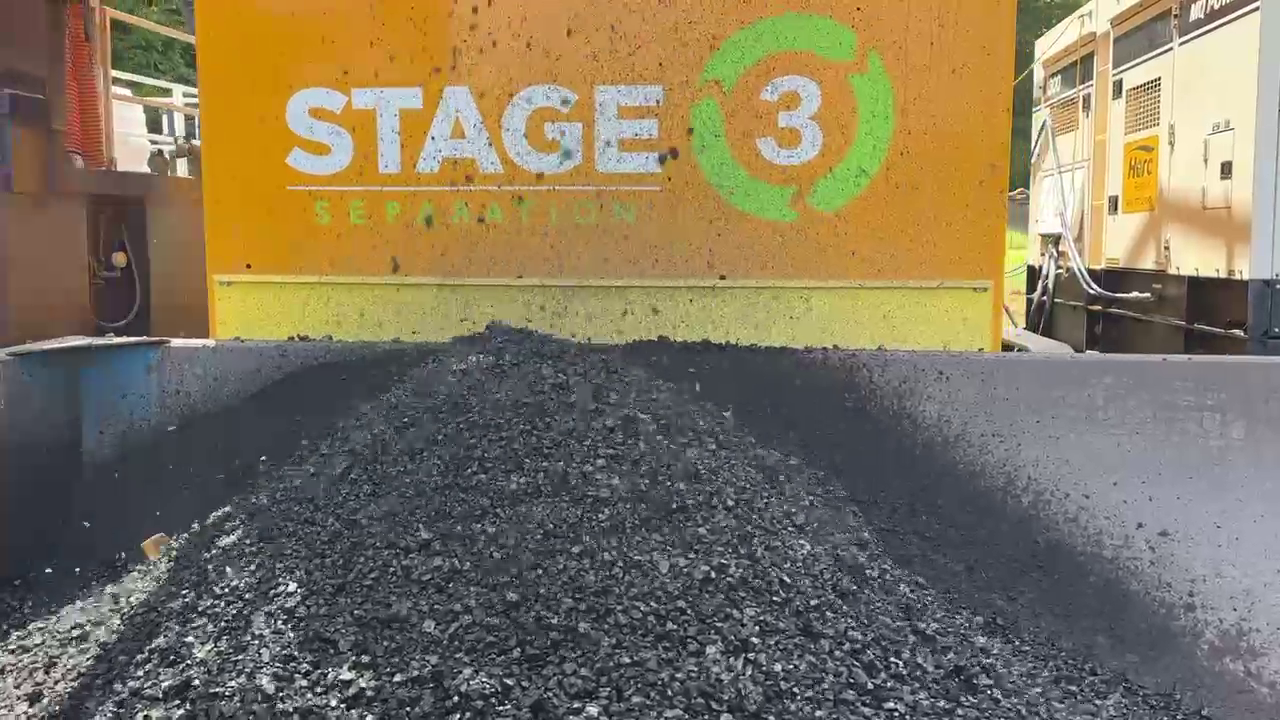
Dry, load-ready solids staged for disposal
The work we do
One platform across every dredging job
Lagoon, pond, harbor basin, or contaminated sediment cleanup: the material changes, but the model stays the same. Characterize the stream, design the train, run it on site, return clean water, and prove the result.
Dewatering lagoons and settling ponds
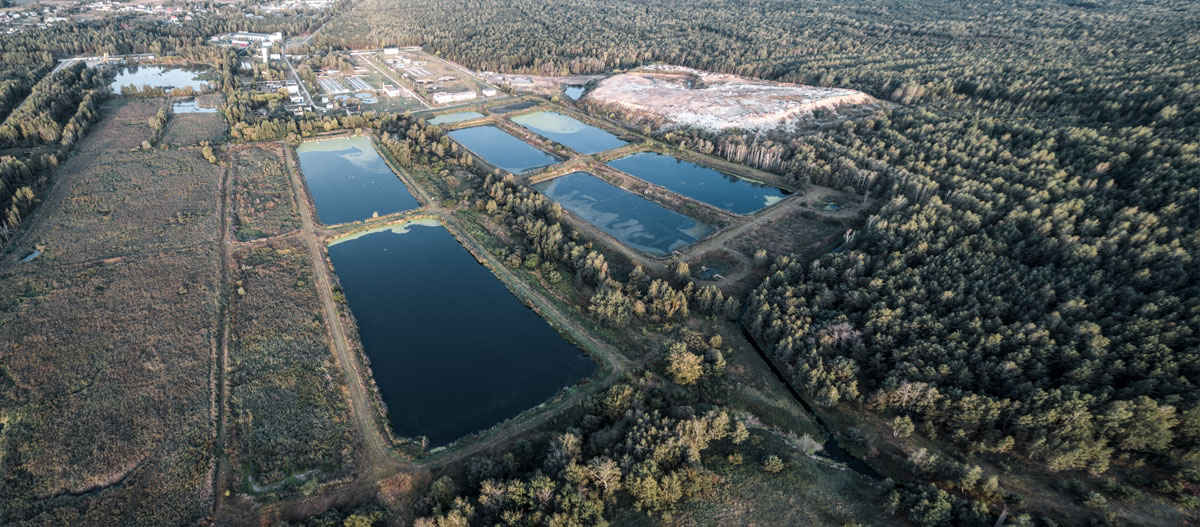
We de-sludge lagoons and settling ponds that have not been cleaned out in decades, dewater the sludge into dry stackable solids, and recirculate clean water back into the basin so it keeps working.
- Input
- Lagoon sludge, settling-pond fines, biosolids
- Output
- Clean water returned, dry stackable solids
- Best fit
- Municipal, industrial, and utility basins
- S3S role
- Design, run, and prove the loop
We show up.
We separate.
The water goes back clean.
Proof from the field ↓
550 tons off a biosolids lagoon
S3S de-sludged two anaerobic sewage lagoons untouched since the 1970s on a closed clear-water loop. The sludge came out as 550 tons of dry, stackable solids that passed every paint-filter test, and clean water went back into the lagoons.
Biosolids lagoon remediation
Dredged a refinery pond, start to finish
On a working refinery site, S3S dewatered an entire industrial pond, returned clean water, and hauled off dry, stackable solids. A first-of-its-kind job for the crew, and it ran clean.
Industrial pond dewatering
On site and running in 24 hours
When a customer calls, we can be rigged up and processing on a dredging site inside a day. That comes from staging ready equipment across the continent and servicing it before it is needed, not after.
North American field operations
Less material in the landfill
Pulling the water out on site routinely cuts the volume hauled off by roughly half. Fewer trucks on the road, far less material buried. We are a separation company, but we are an environmental one too.
Dredging and municipal work
Marine & Waterfront
Ports, harbors, and marine construction. When the job is dockside build-out rather than sediment handling, this is the lane. Every dredging job carries sediment, water, and disposal problems at once. Our deep-dive pages walk through the process and the economics.
On-site vs. haul-off economics→Dredging applications
Sediment is mostly water, and water is the expensive part to haul. S3S receives the dredged material on site, separates it, and sends the water back where it came from.
Biosolids lagoons
In Hardisty, Alberta, S3S de-sludged two anaerobic sewage lagoons with a self-contained clear water loop, pumping liquid sludge through centrifuges and returning clean effluent straight back to the lagoon. What came off was 550 bone dry tons of stackable solids that met or exceeded the criteria for landfill disposal, hauled out in standard end dump trucks.
The system is self-powered and compact, so digester cleanouts and lagoon work can run while the site keeps operating.
550 tonsBone dry stackable solids, Hardisty AB lagoon remediation
Tailings ponds
Tailings ponds hold volume nobody wants to move and nobody wants to keep. S3S dewaters tailings on site, returns process water to the operation, and concentrates the solids into a stackable product. Out of Calgary we support oil sands and heavy oil work, where tailings pond dewatering, heavy oil separation, and waste processing run together on the same job.
Storm ponds: sediment removal & dewatering
A storm pond fills with sediment until it stops holding what it was built to hold. Cleaning one out usually means a long line of vacuum trucks and a disposal bill sized by the water you are hauling. S3S receives the dredged sediment on site, separates it, and returns the water to the pond, so what leaves the gate is solids. It is the same receiving, screening, conditioning, and dewatering train we run on lagoon and channel sediment work.
Common questions
Dredge spoil dewatering, answered
Dredge spoil dewatering separates water from dredged sediment on site, so the water returns to the waterbody or gets reused and the solids leave dry, stackable, and disposal-ready. Stage 3 Separation (S3S) does it with modular slurry treatment and solids control equipment run by its own crews.
Yes. The water comes out clean enough to return to the lagoon, pond, or waterbody, reuse in the dredge loop, or discharge where permitted. On a biosolids lagoon, S3S ran a closed clear-water loop and returned clean water while removing 550 tons of dry solids.
Yes. The equipment is compact, self-contained, and modular, so it fits barges, shorelines, and space-limited pond edges without lagoons, pits, or a separate equipment yard. For contaminated or remediation dredging, we build containment and chemistry around what is actually in the sediment.
Dredged material is mostly water, so hauling it wet means trucking water. On-site dewatering pulls that water out first, which routinely cuts hauled volume by roughly half and lowers disposal cost. The dry solids also pass disposal tests like the paint-filter test.
Yes. Environmental and remediation dredging is core work. We handle contaminated material with containment, purpose-built chemistry, and real-time material verification so the separated solids and returned water are documented against the criteria regulators and disposal sites require.
S3S can be rigged up and processing on site within 24 hours, because ready equipment is staged across North America and serviced before it is needed. Larger or longer dredging jobs are the best fit, where sustained on-site treatment clearly beats repeated haul-off.
Your dredge spoil
is a resource.
S3S turns high-volume dredge spoil and contaminated sediment into clean water returned to the waterbody and dry, stackable solids that pass disposal.
A smaller footprint, fewer trucks, lower disposal cost, and one team that owns the whole job from the water's edge to the disposal gate.
Lagoon and pond dredging, environmental remediation, and sand recovery. Deployed across North America.