The material decides the system
Every job begins with a specific material to process: polymer drilling fluid, jet-grout backflow, or anaerobically digested lagoon sludge. That material decides the equipment and the handling the job needs.

Case studies
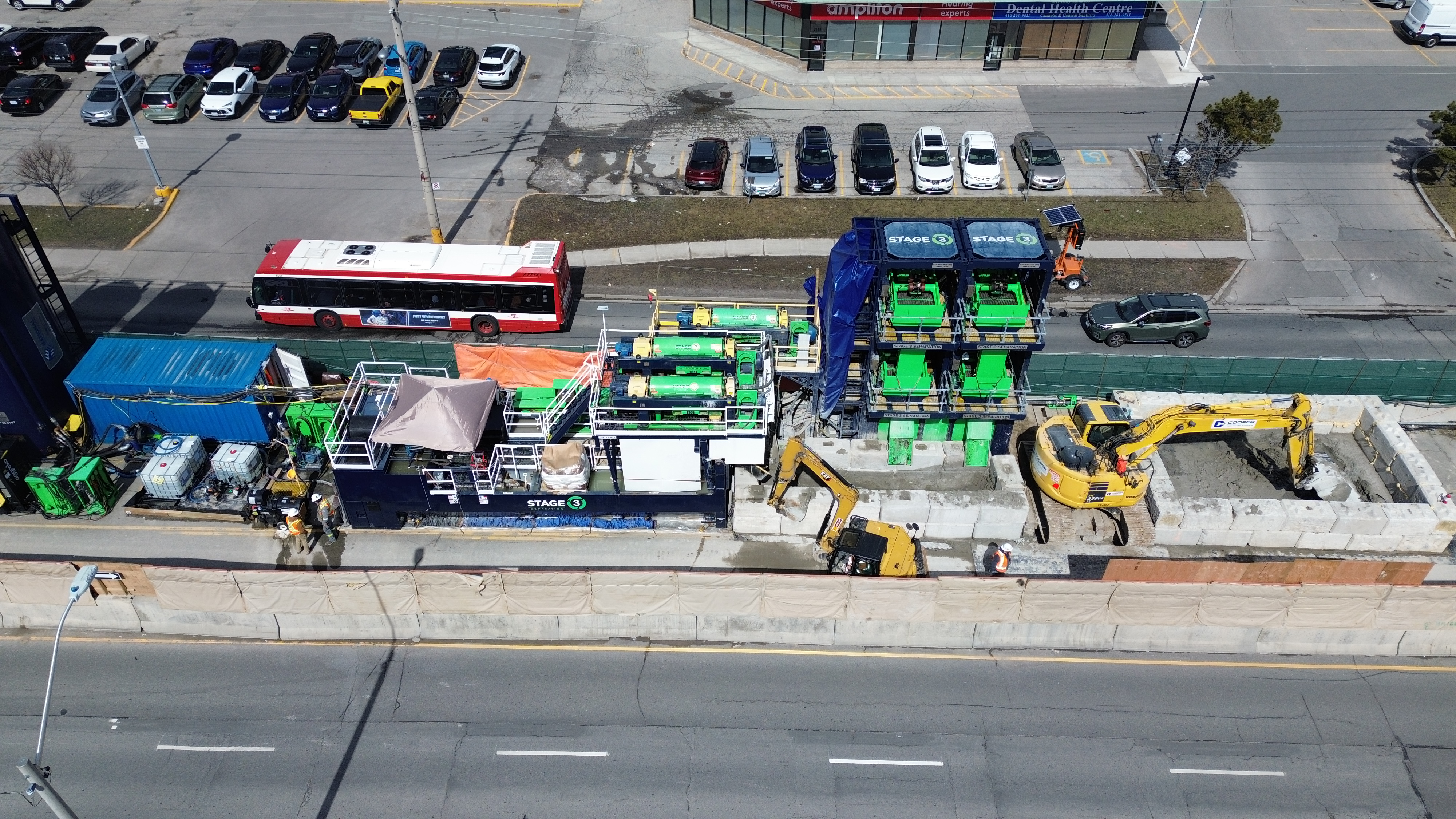
S3S runs solids-control, separation, and dewatering equipment on job sites across North America. These three projects, a drilled-shaft bridge crossing, a congested jet-grouting site, and a pair of decades-old sewage lagoons, each ran a mobile loop of tanks, centrifuges, and dewatering sized to the material and the site.
Proof from the field
Each project below ran a mobile treatment loop of tanks, centrifuges, and dewatering, sized to a different material and site. Each case study gives the configuration and the measured result.
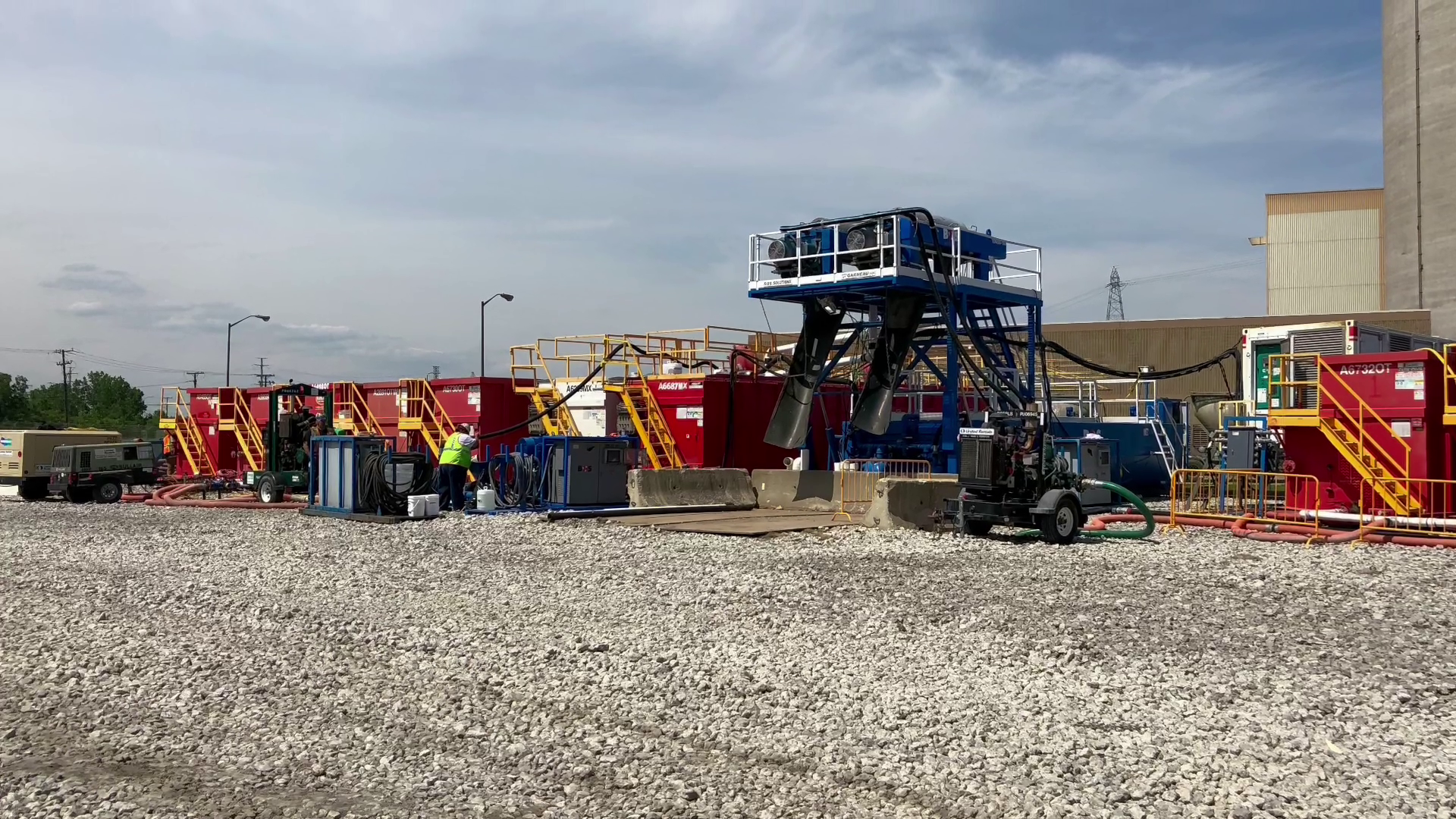
Thirty-two drilled shafts needed a constant supply of polymer fluid. S3S ran a closed loop of tanks, centrifuges and one technician that kept 160,000 gallons of polymer working every two weeks instead of sending it to disposal.
160,000 galPolymer kept from disposal every two weeks
Read the case study →
A congested Midtown Toronto site left no room for holding pits. S3S ran a mobile tank, centrifuge and flocculation system that recovered 40 m3 of water per column and cut waste handling costs 20%.
20%Lower waste handling costs
Read the case study →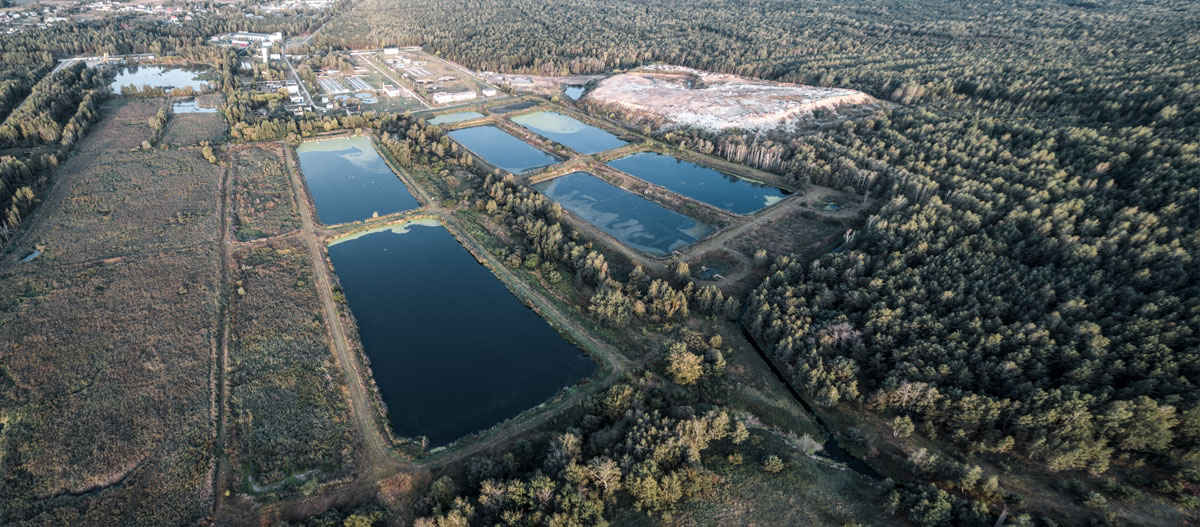
Two anaerobic sewage lagoons in Hardisty, Alberta had not been touched since the 1970s. A clear-water loop and centrifuge dewatering pulled 550 tons of dry material out while protecting the clay base underneath.
550 tonsDry material removed
Read the case study →How S3S scopes a project
Every one of these jobs started with the material and the site. Those two things decided the equipment, the operating plan, and where the outputs went.
Every job begins with a specific material to process: polymer drilling fluid, jet-grout backflow, or anaerobically digested lagoon sludge. That material decides the equipment and the handling the job needs.
A drilled-shaft program, a congested urban lot, and an active lagoon each impose their own limits on storage, transfer routes, and available footprint. The plan works around them.
Separation equipment is one part of the system. Receiving, storage, conditioning, field oversight, testing, reuse, and loadout all run around it.
A number from one job describes that job's material, site, and configuration. A new project needs its own review before the same approach applies.
Work with S3S
Tell us the material, the site, and the volume you are working with. S3S will scope the treatment and handling plan that fits.
What happens next