
Structured preparation helps field technicians arrive ready to work safely and understand the operating environment.
HSE safety & training
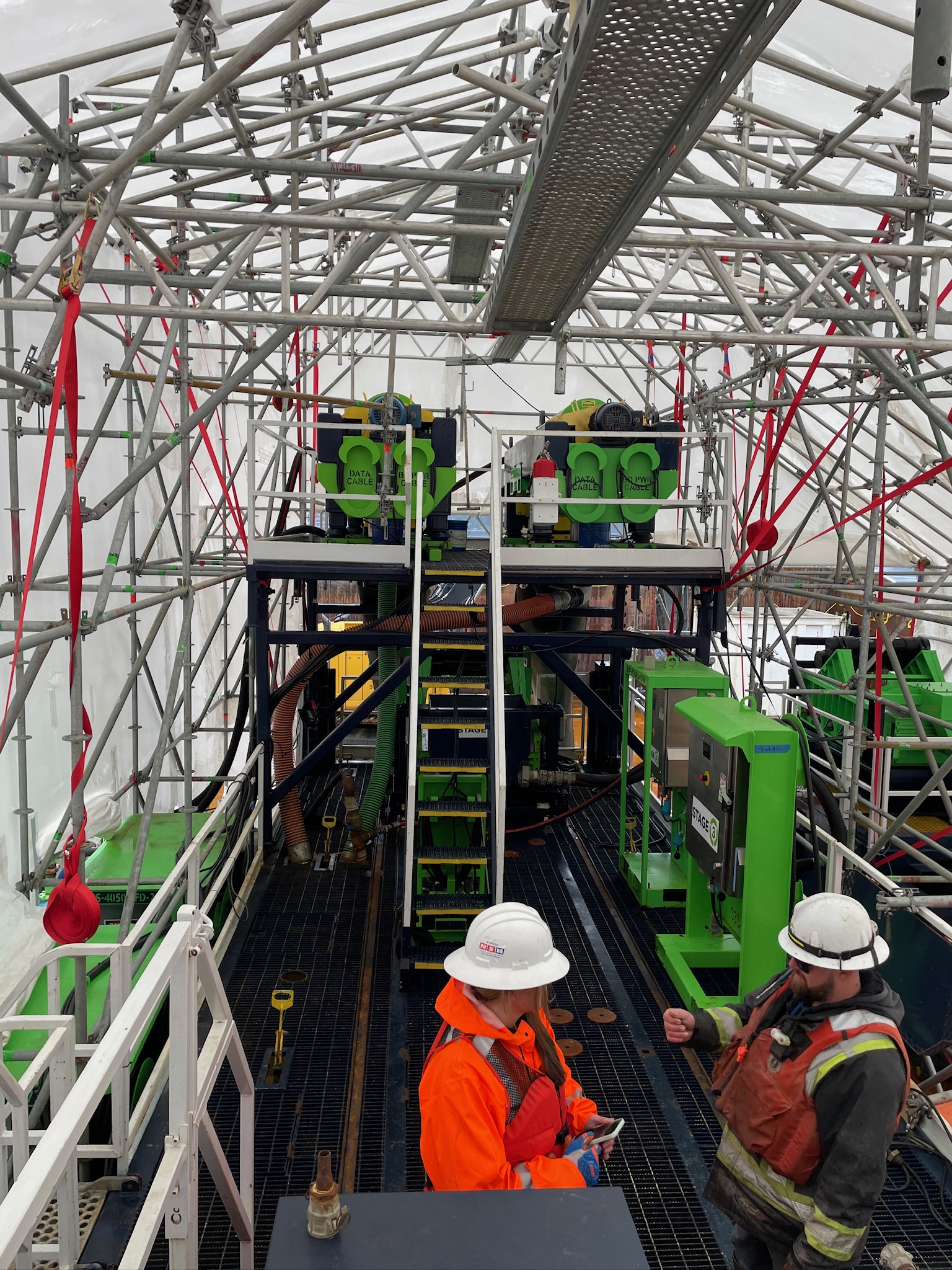
Training by design
Training built to carry into the field.
At S3S, personal and procedural safety are part of the same operating discipline. New technicians enter a structured course before field assignment, then build experience alongside seasoned technicians. The goal is practical: make safety knowledge usable when the conditions, equipment, and schedule are real.
The safety program combines pre-assignment preparation, recurring instruction, certification requirements, and hands-on field development.
Annual and recurring training keeps procedures, equipment practices, and safety expectations current.
New field technicians begin with safety and solids-control fundamentals before entering the apprentice program.
Equipment is serviced and inspected at least once a week, with each visit logged in a third-party platform.
Field technician pathway
Build confidence before adding responsibility.
Stage 3's development path moves from foundational instruction to assessment and supervised field experience. The sequence keeps training connected to the work technicians will perform.
01
Foundational safety and operations training
New field technicians enter an intensive three-week course that covers initial safety training alongside the essentials of solids control operations.

02
Confirm readiness through assessment
Candidates complete a final exam before they are invited into the Field Technician Apprentice Program and permitted to work on job sites.
03
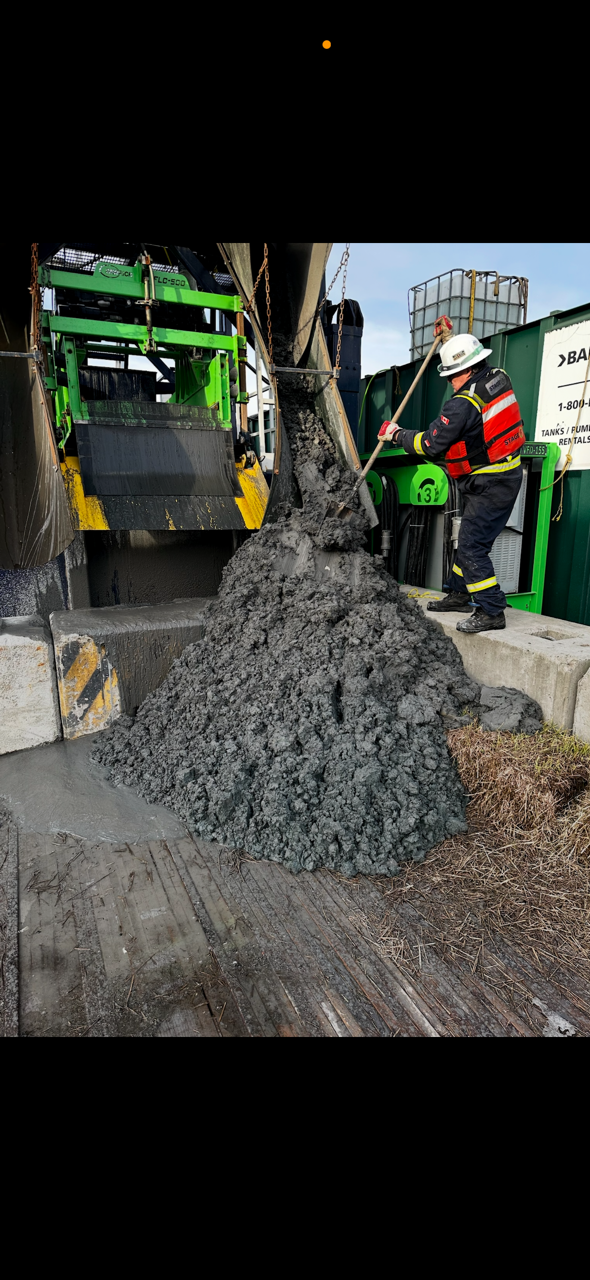
Learn alongside experienced technicians
Apprentices job-shadow seasoned field technicians, gaining practical, supervised experience while applying the program's operating and safety expectations.
Course coverage
Training for the conditions crews encounter.
The curriculum addresses routine field work, planning, equipment handling, and response preparation. Course requirements are reinforced through annual review and ongoing instruction.
Prepared for the work area
First Aid/CPR, AED, incident reporting, accident prevention, materials handling, and job safety analysis/pre-job planning.
Control the energy
Lockout/tagout, hazardous communication, electrical safety, fire protection and prevention, and process safety management.
Protect people in the field
Personal protective equipment, working and walking surfaces, fall protection, hearing conservation, respiratory protection, and workplace-violence prevention.
Respond to specialized conditions
Confined spaces, forklift and overhead-crane safety, emergency response, offshore safety and transportation, and hydrogen sulfide (H2S).
Put training into practice
The field routine carries the program forward.
The course gives technicians a shared baseline. Field routines keep that baseline present through planning, equipment work, and the conversations that happen when conditions change.
01
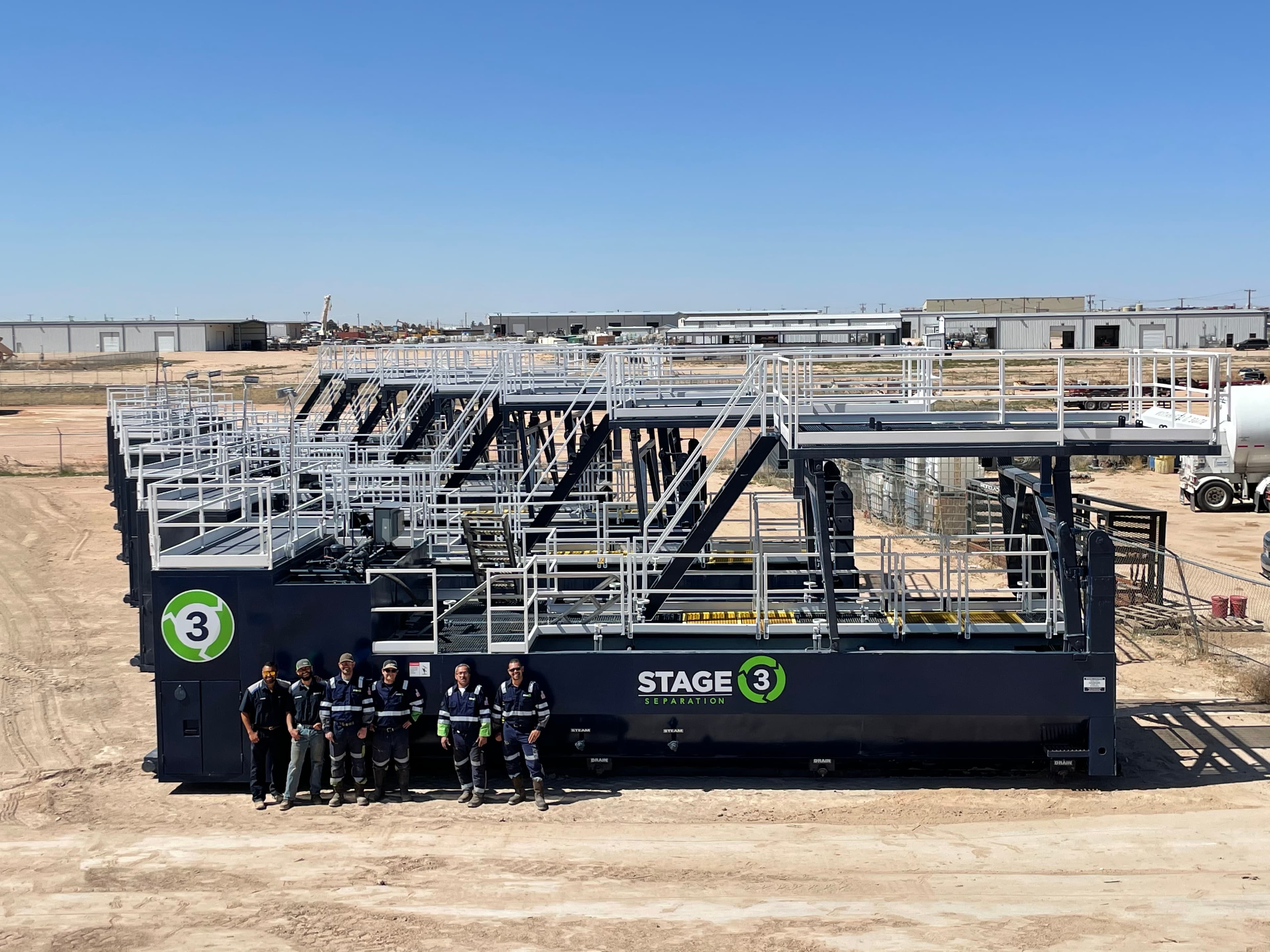
Plan the work before the shift begins
Job safety analysis and pre-job planning are part of the course coverage. The point is to identify the work area, material, equipment, and foreseeable hazards before execution begins.
02
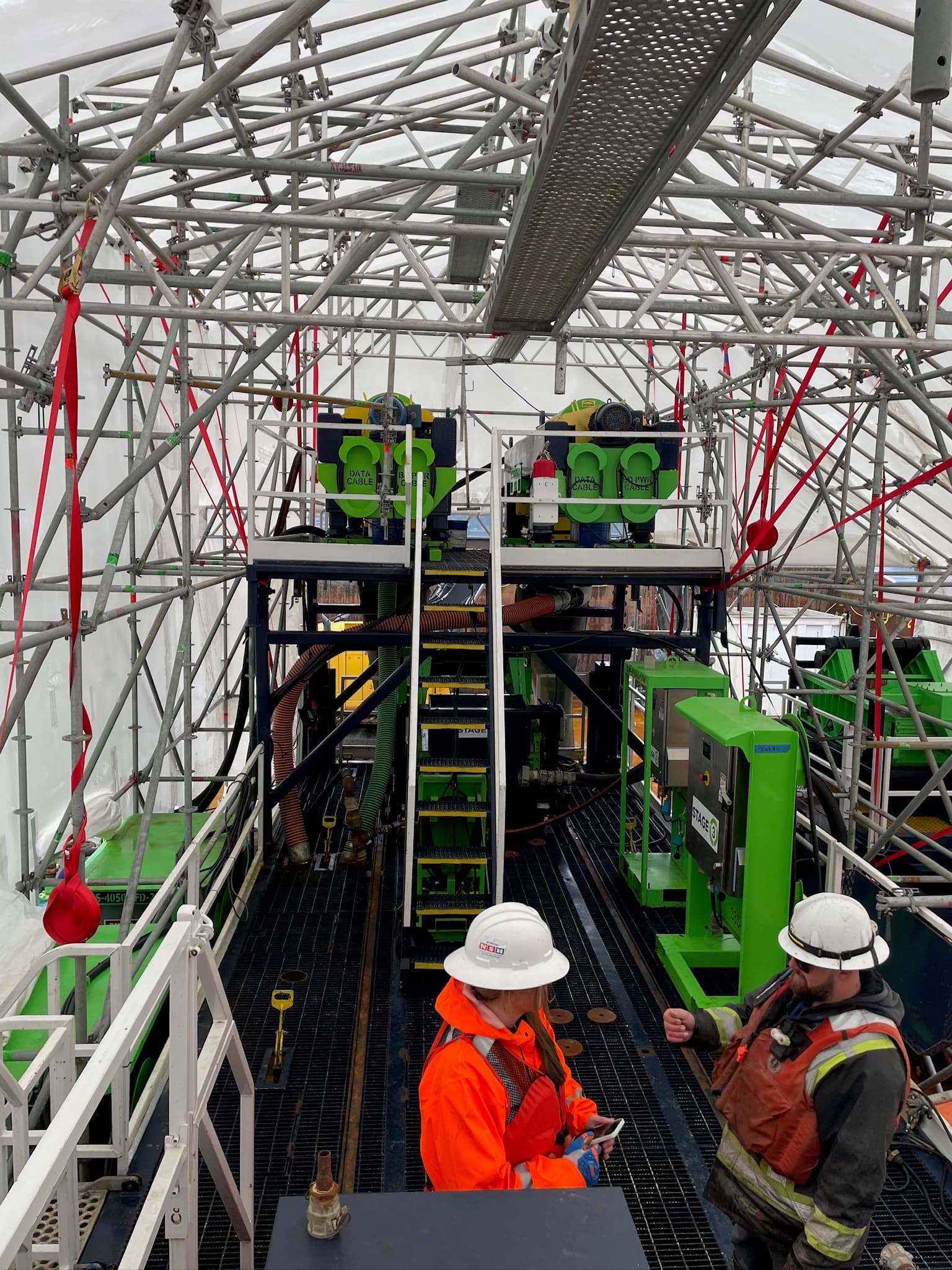
Work to the operating procedure
Training addresses topics that meet in daily field work: materials handling, lockout/tagout, hazardous communication, electrical safety, protective equipment, and working surfaces.

03
Reinforce the program long after onboarding
Annual review training, quarterly course requirements, incident reporting, and emergency-response instruction keep the program connected to the field rather than confined to onboarding.
Program standards
Training stays connected to the field.
Stage 3 requires annual review training, including ISTC renewal and American Heart Association First Aid. Technicians also complete quarterly training-course requirements.
The program includes current first-aid and safety requirements, and the company subscribes to ISNetworld's contractor conformance verification program. Certification needs are matched to the work and operating environment.
The formal course establishes a common operating baseline. The apprentice pathway then lets technicians practice under experienced supervision, where procedures and jobsite conditions meet.
Work with S3S
Build safety into the schedule before mobilization.
Tell us about the material, site, and outcome you need. We will help define a separation approach that accounts for safe access, field operations, and project constraints.
What happens next
- A separation specialist reviews the material, the volumes and the site.
- We size the equipment and the crew against your schedule and the outputs you need.
- You get a configuration and a scope you can price the job against.