
A documented Midland Basin drilling program saved $39,000 per well after putting the S3S system on first-pass solids removal.
Energy | Oil & gas drilling
Keep the fluid working. Keep the well moving.
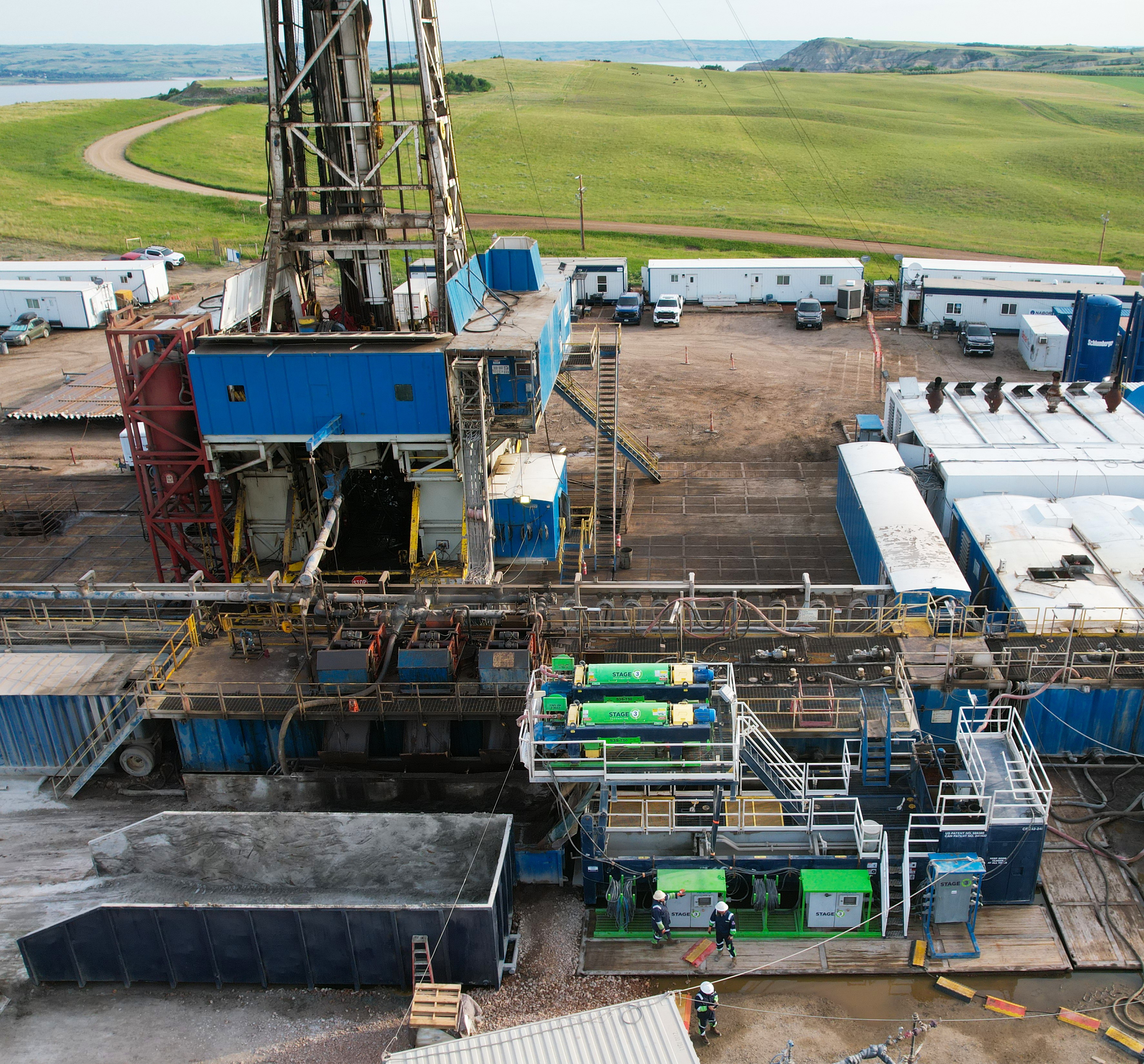
Stage 3 Separation (S3S) runs solids control and fluid recovery as one field service for oil and gas drilling programs. Our crews remove drilled solids, recover usable fluid, tune the system as conditions change, and document performance throughout the job.
Field proof
Put documented performance against the well plan.
S3S connects daily field work to samples and reports so operators can see how solids control is affecting fluid use and waste.
The same documented program used 43% less diesel for base-fluid dilution while the solids-control plan protected usable drilling fluid.
S3S has analyzed more than 10,000 fluid samples over the years, building a practical history for drilling-program recommendations.
One operating system
Field service, engineering, and lab support stay connected.
The equipment, people, samples, and reports work as one plan, from the first fluid review through daily reporting.
Performance solids control
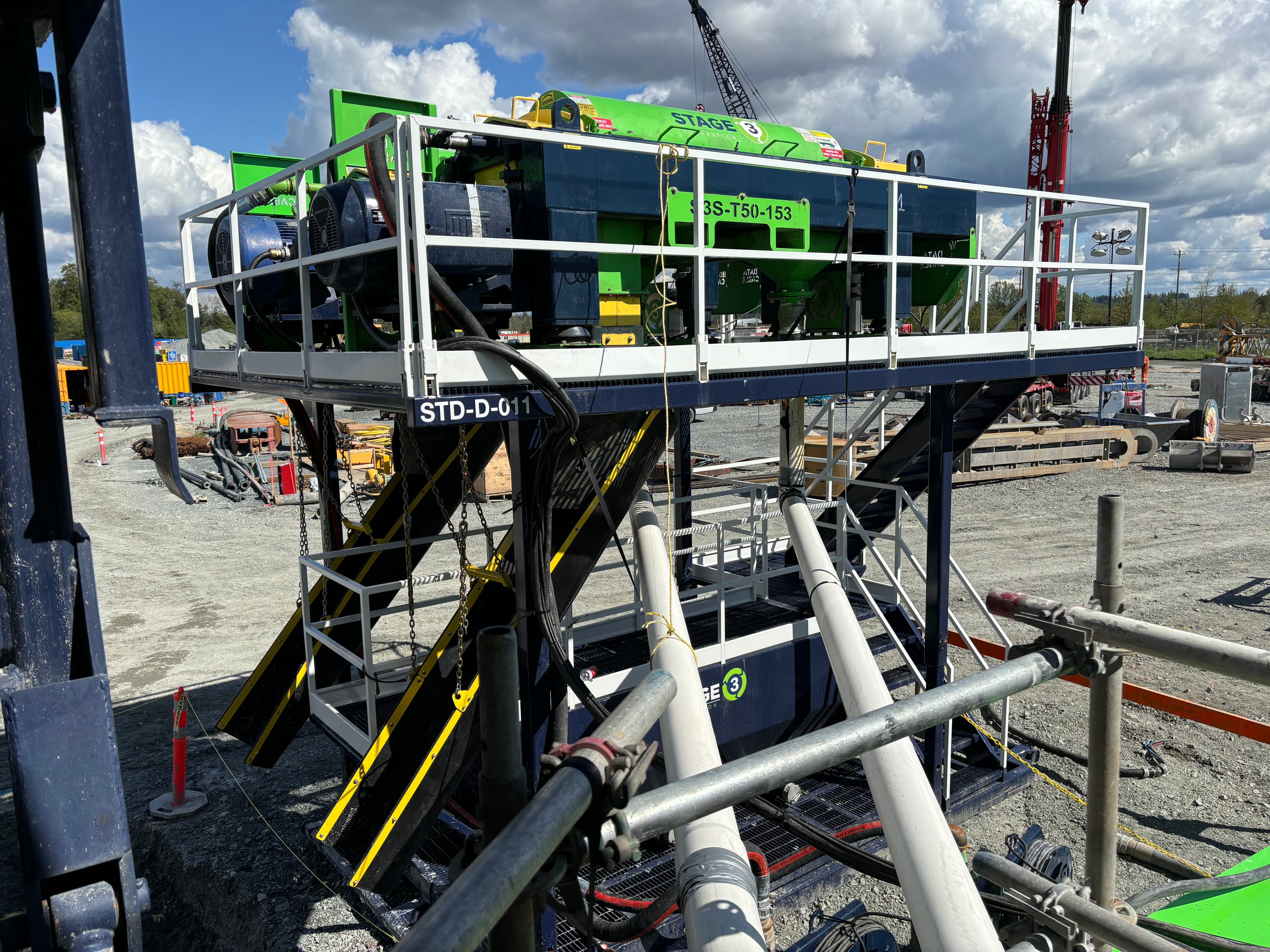
Field crews operate and tune shakers, centrifuges, tanks, and supporting equipment around the drilling program. The goal is straightforward: remove unwanted solids early and keep usable fluid in circulation.
Engineering for the actual site
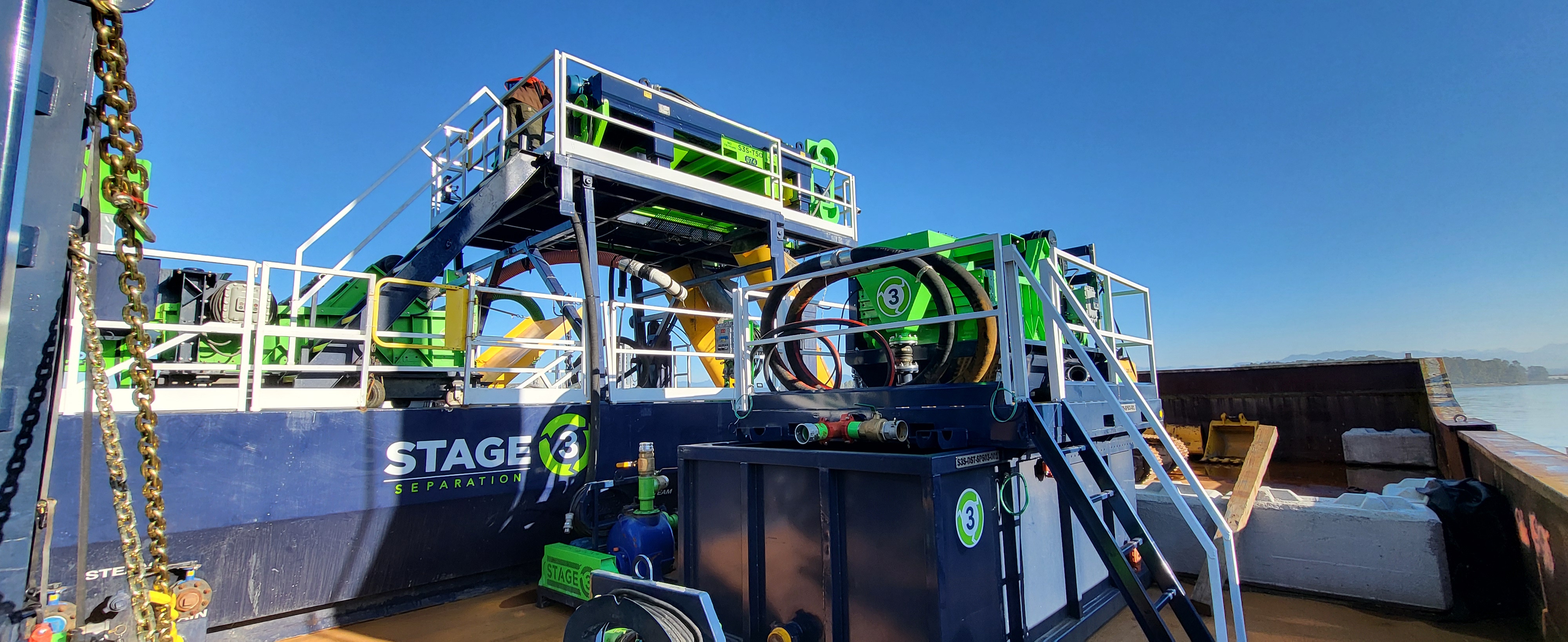
S3S scopes the fluid, flow, footprint, and recovery target, then configures the treatment train and mobilization plan around the location.
Lab data that reaches the field
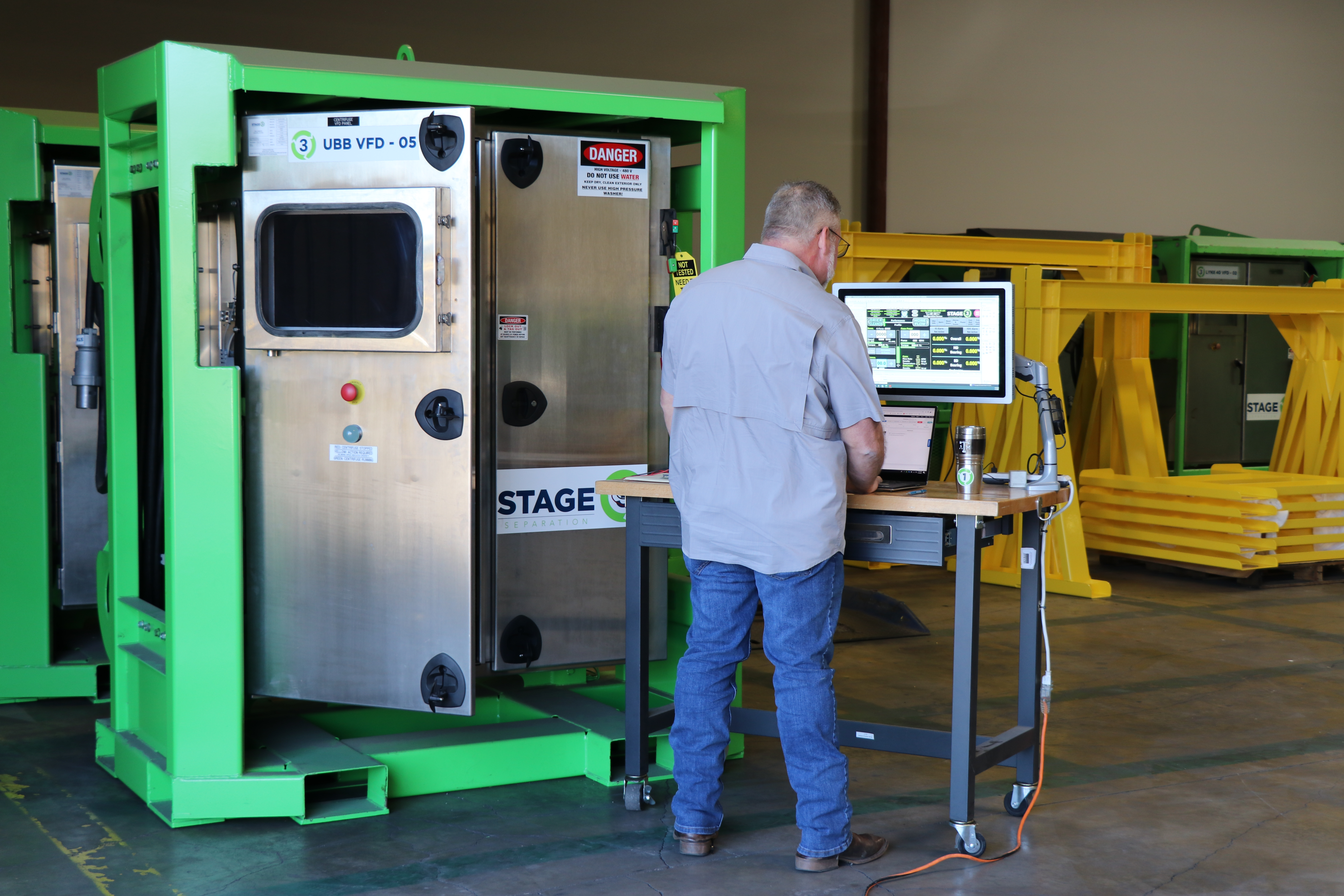
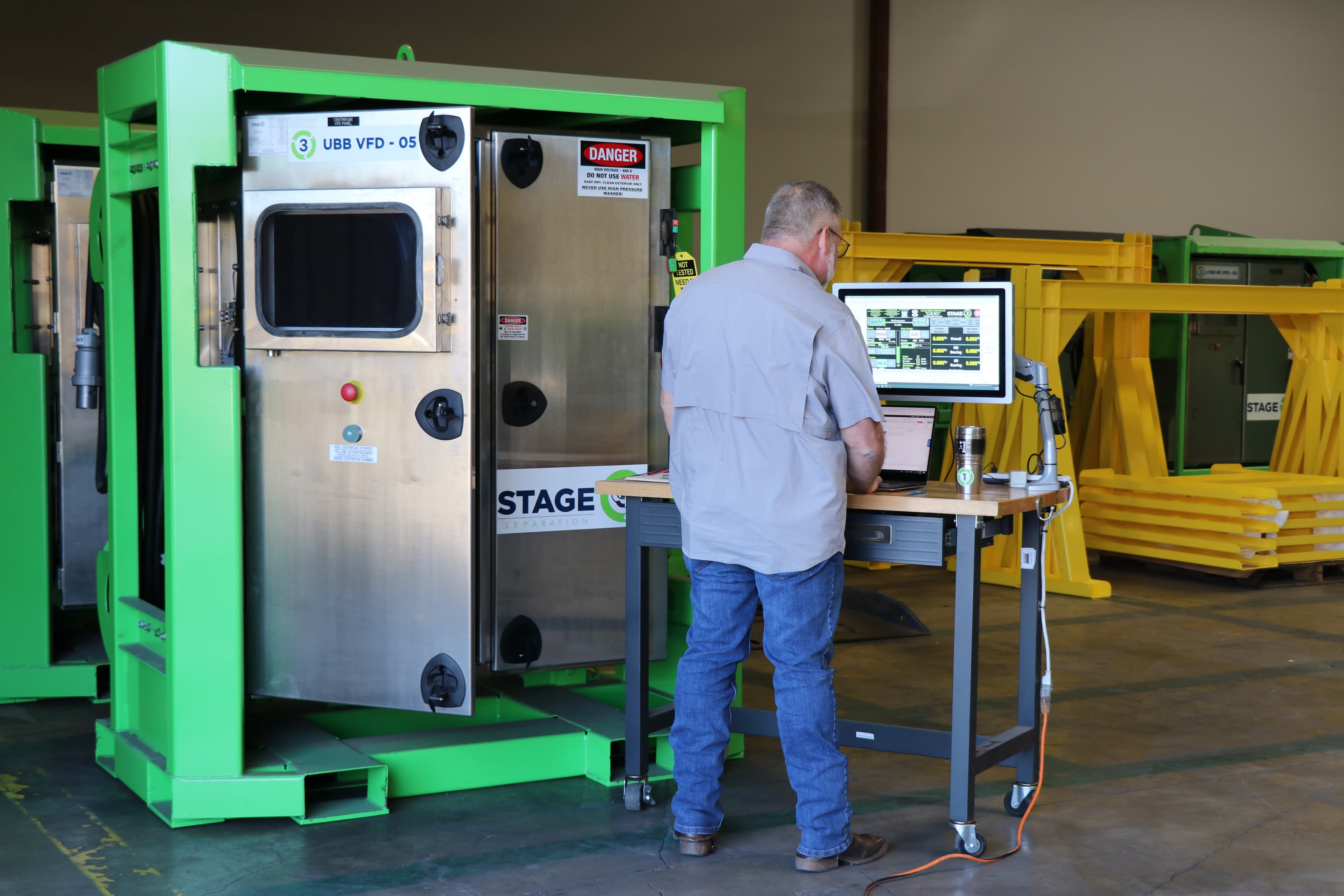
Sampling, Particle Size Distribution analysis, and QA/QC give field teams a basis for equipment settings. Daily reporting keeps the drilling team connected to job activity and performance.
The field loop
From the flowline to the daily report.
One operating loop connects the drilling plan, solids-control equipment, sample data, and the decisions made on location.
01
Set the fluid baseline
The engineering and lab teams review the fluid, site conditions, operating targets, and the data the drilling team needs to see.
02
Separate and recover
Field crews run the selected equipment train to remove drilled solids and keep recoverable fluid in the working system.
03
Test and tune
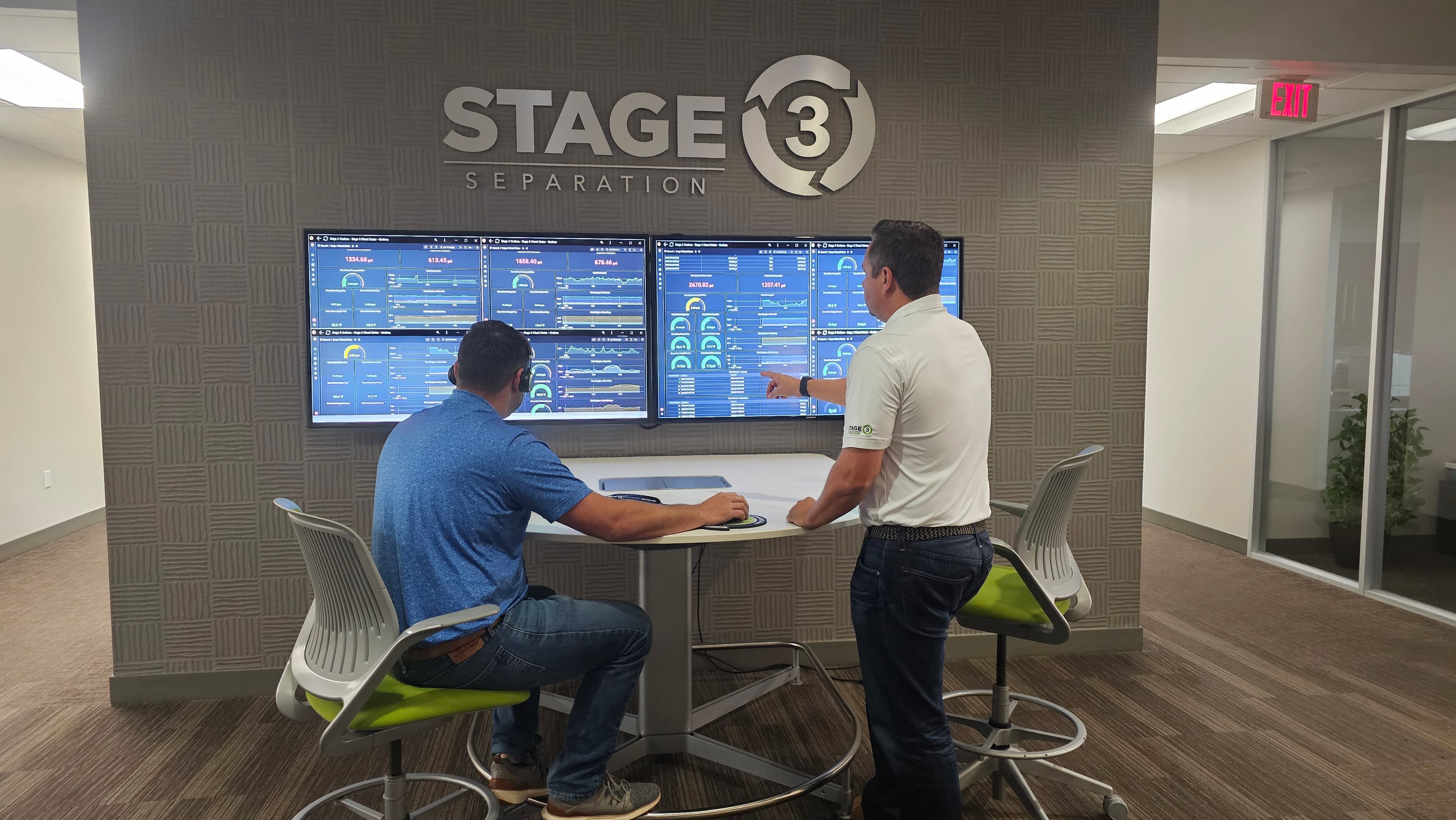
Samples and equipment observations give the field team a basis for adjusting settings as the formation and fluid change.
04
Report and review
Daily reporting records the operating picture so the drilling team can review activity and performance with S3S.
Energy applications
Drilling makes fluid work for a living. It holds the hole open, carries cuttings to surface, and stops paying for itself the moment the solids load climbs. These are the energy applications S3S runs that loop for.
O&G & geothermal drilling
Drilled solids are the problem. Leave them in the fluid and mud weight climbs, dilution costs climb with it, and the well slows down. S3S puts first-pass solids removal at the sand trap suction point, which protects the whole mud system rather than cleaning it up after the fact. Our crews run and tune the shakers, centrifuges, and tanks on location, and the lab work behind them tells the field what to change as the formation changes.
A documented Midland Basin program saved $39,000 per well and used 43% less diesel for base-fluid dilution after moving to the S3S system. Geothermal drilling runs the same fluid loop with the same problem, and S3S supports geothermal programs with the same equipment, crews, and daily reporting.
$39,000Saved per well on a documented Midland Basin program
Bead & LCM recovery
Beads and lost circulation material cost money to buy and cost money again to throw away. S3S recovers both as part of the solids control scope on a drilling program, so the material goes back to work instead of leaving with the waste. Bring us the fluid system and the loss history and we will scope what is recoverable.
Before mobilization
Questions drilling teams ask before the first rig-up.
S3S supplies equipment as part of a field-run solids-control service. Our team helps scope the system, operates and tunes it on location, connects samples and lab work to field decisions, and provides daily reporting. That gives the customer one accountable S3S team for the solids-control scope.
Removing unwanted drilled solids helps protect the properties of the working fluid and can reduce the amount of replacement fluid and waste the program has to manage. The right equipment and settings depend on the fluid, formation, flow rate, and recovery target.
S3S jobs include daily reporting. The specific report is set around the program and can connect operating observations, sample results, fluid activity, and waste information to the measures selected during project planning.
Bring S3S in while the drilling program, fluid system, site layout, and waste plan are still being set. Early involvement gives the engineering and lab teams time to review the inputs and recommend an equipment, sampling, and reporting plan before mobilization.
Build the program around the well
The fluid, the flow rate, and the site set the recovery target.
S3S will help scope the solids-control equipment, field support, sampling, and reporting plan for your drilling program.
What happens next
- A separation specialist reviews the fluid system, the well plan and the site.
- We size the equipment and the crew against your schedule and the outputs you need.
- You get a configuration and a scope you can price the job against.