
Engineering services
Engineered Solids Control
Stage 3 Separation (S3S) removes drilled solids and cuttings from fluid so water and base fluid can be reused and solids leave dry. We design closed-loop, zero-discharge solids control systems around your site, fluid, flow rate, and how much you need to recover.
Engineered outcomes
A system built around the project.
We plan the treatment train before waste volume and disposal cost lock in. The result is recovered water, drier solids, fewer trucks, and a smaller footprint.
Closed-loop dewatering sharply cuts haul-off on construction, trenchless, industrial, and municipal work.
Our BE 300-C slurry plant handles high-volume civil, tunneling, and dredging streams in a small footprint.
Double-cyclone desanding and scalping screens separate consistently down to fine solids.
Industrial fluid recovery extends fluid life so you buy and dispose of far less new fluid.
Solids control disciplines
Mechanical, chemical, and digital systems in one plan.
Real separation problems rarely fit a catalog package. We engineer and build the equipment, chemistry, controls, and monitoring around what you need to reuse, discharge, or dispose.
Custom modular separation trains
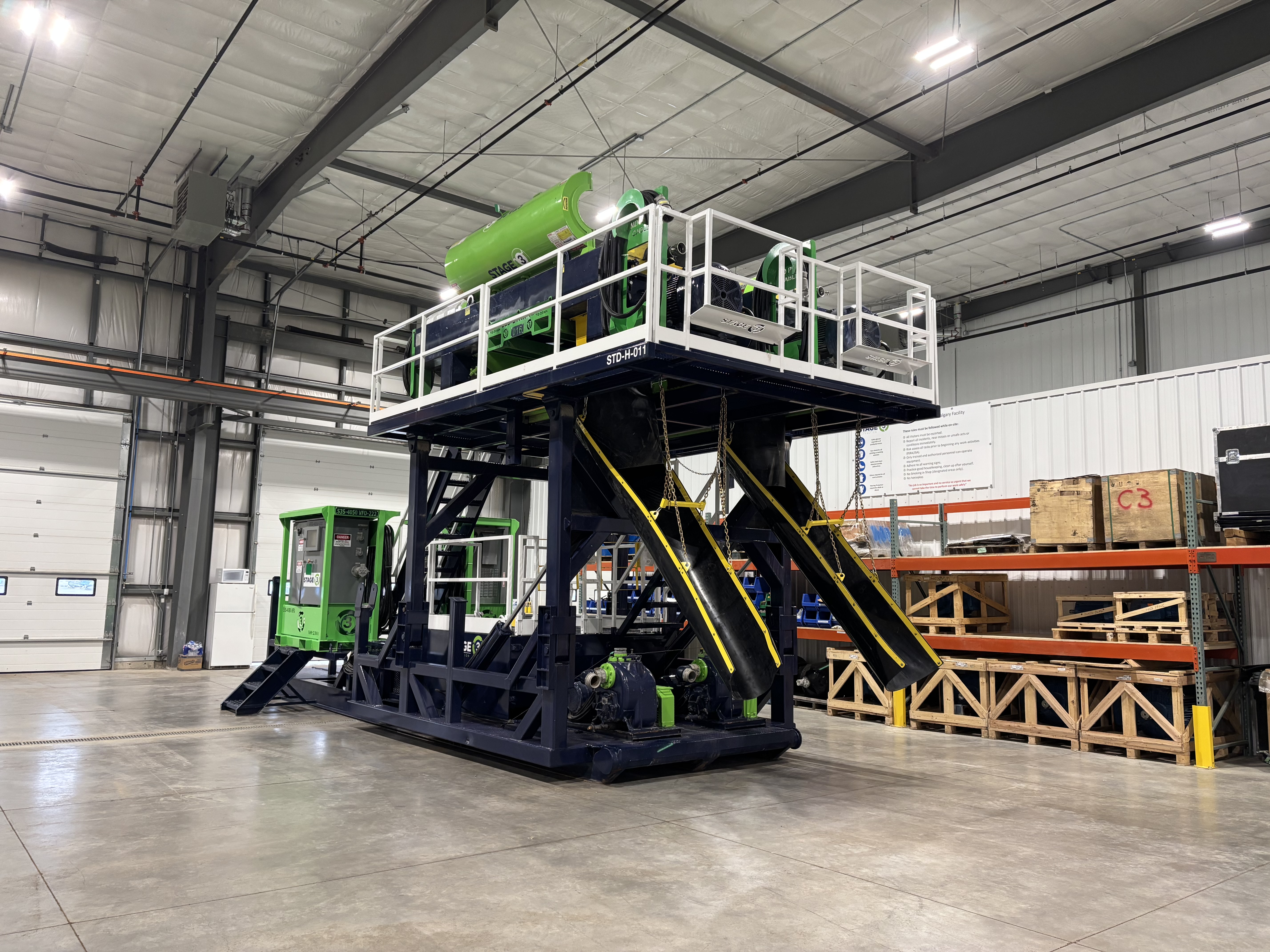
We configure centrifuges, shakers, slurry plants, pumps, and tanks into site-fit packages. Full-variable-speed centrifuges, direct-drive conveyors, and compact layouts fit tight urban sites, barges, and active industrial facilities.
- Core assets
- Centrifuges, shakers, MudCube, slurry plants, tanks
- Fleet scale
- One of North America's largest fleets
- Configuration
- Skid, trailer, modular, and site-fit packages
- Operating goal
- Clean water, dry solids, protected fluid
Engineering method
From site review to live optimization.
The best system is designed before mobilization and improved while it runs. Engineers, lab teams, and field crews stay connected from plan to execution.
01
Field survey and fluid analysis
We survey the site and review flow rate, fluid type, solids profile, reuse or discharge goals, footprint, and access.
02
Configuration and 3-D layout
Engineers right-size the equipment, chemistry, and controls, then model the site in 3-D so everything fits before anything is built.
03
Lab-backed chemistry
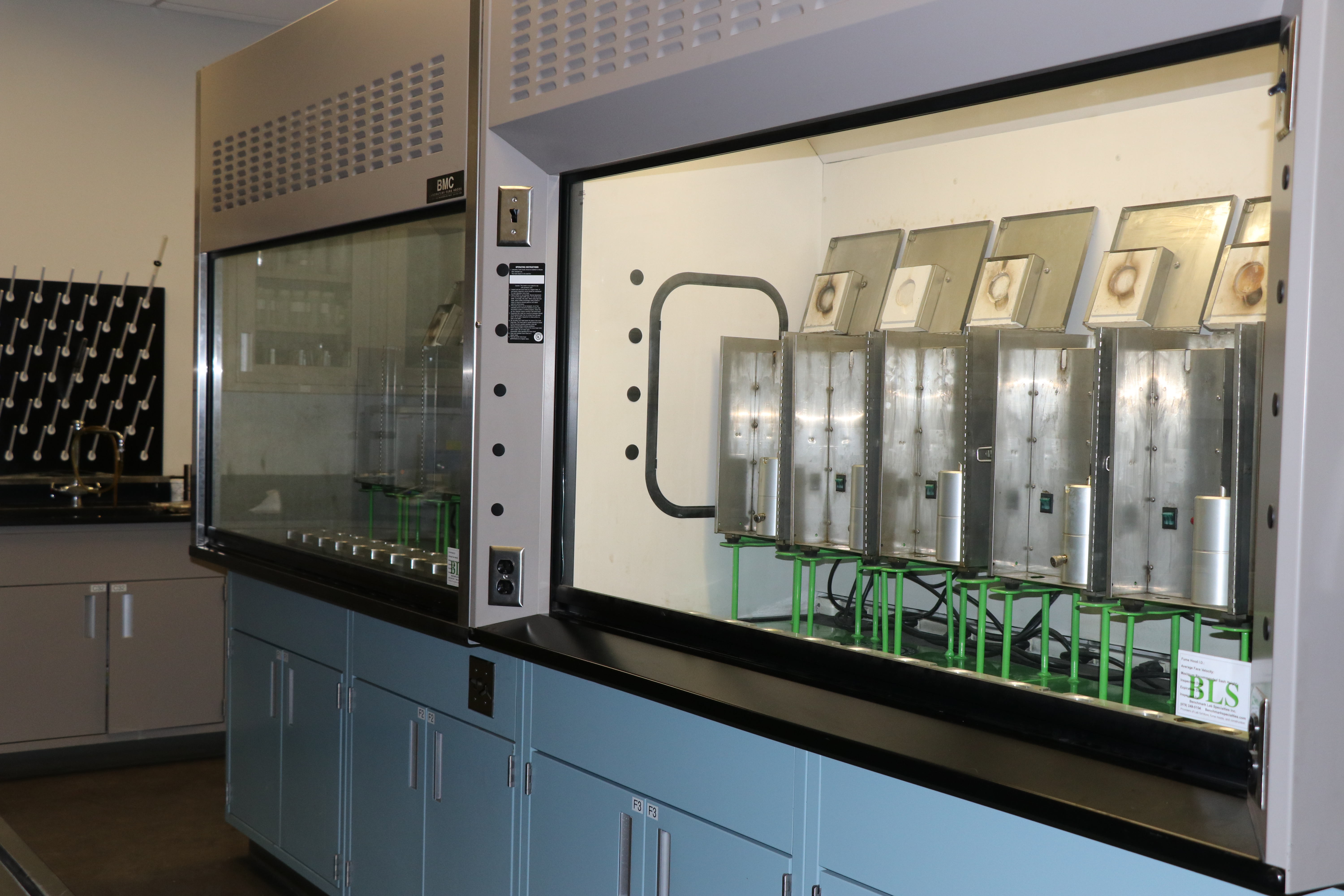
Samples and bench testing set dosing, dewatering strategy, and output targets before full scale.
04
Fabrication and mobilization
We fabricate job-specific components in-house, then bring the equipment, operators, and startup support to rig up fast and bring the system online cleanly.
05
Live monitoring and tuning
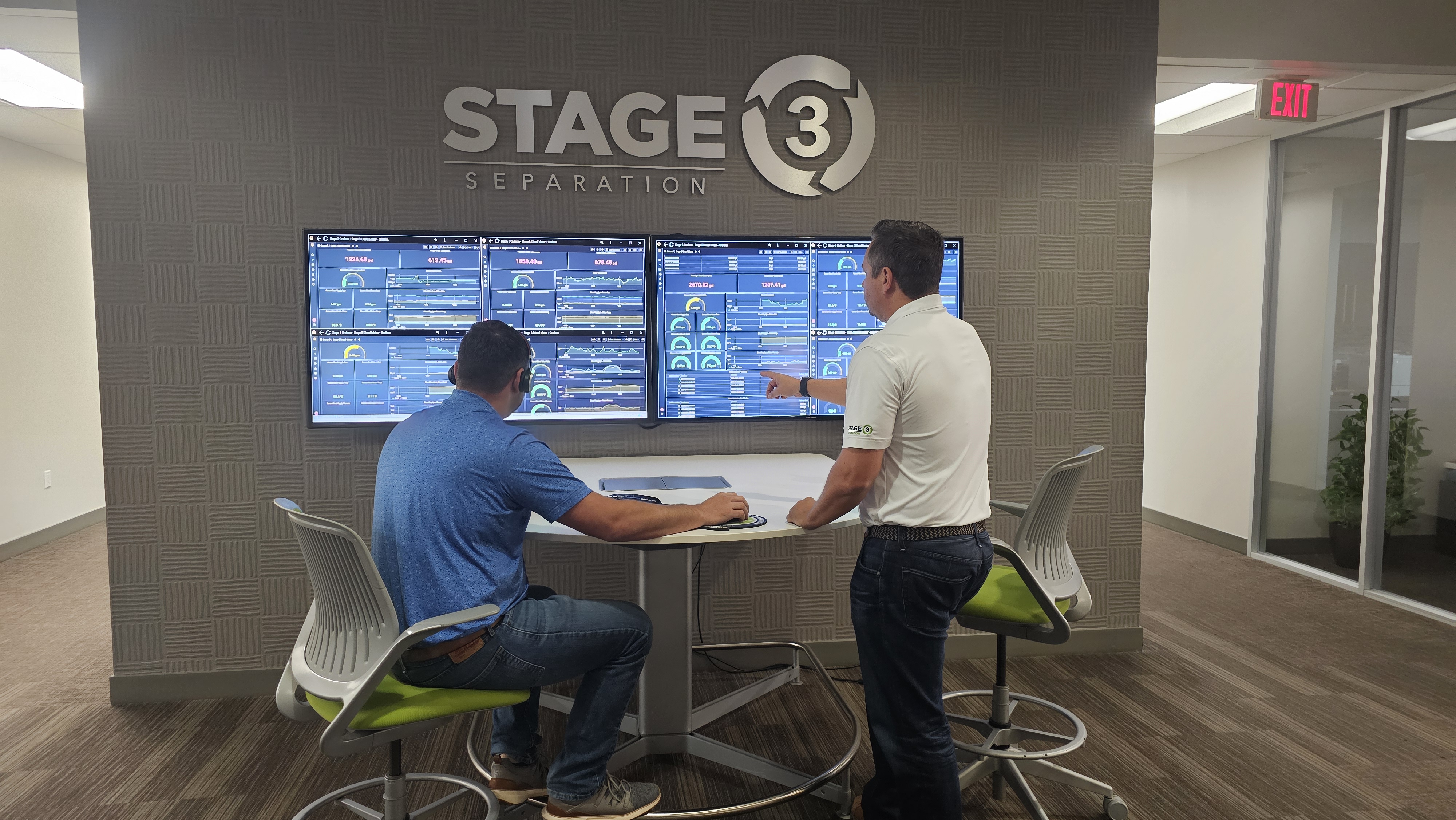
Crews monitor the process and adjust speed, feed, chemistry, and flow as conditions change.
06
Reporting and ROI review
You get clear visibility into recovered fluid, solids output, disposal reduction, and cost impact.
Proof from the field
Engineering only matters when it changes the job.
We measure engineering in project outcomes, not equipment specs. The same platform protects drilling fluids, recycles polymer slurry, recovers industrial fluids, and supports municipal dewatering.
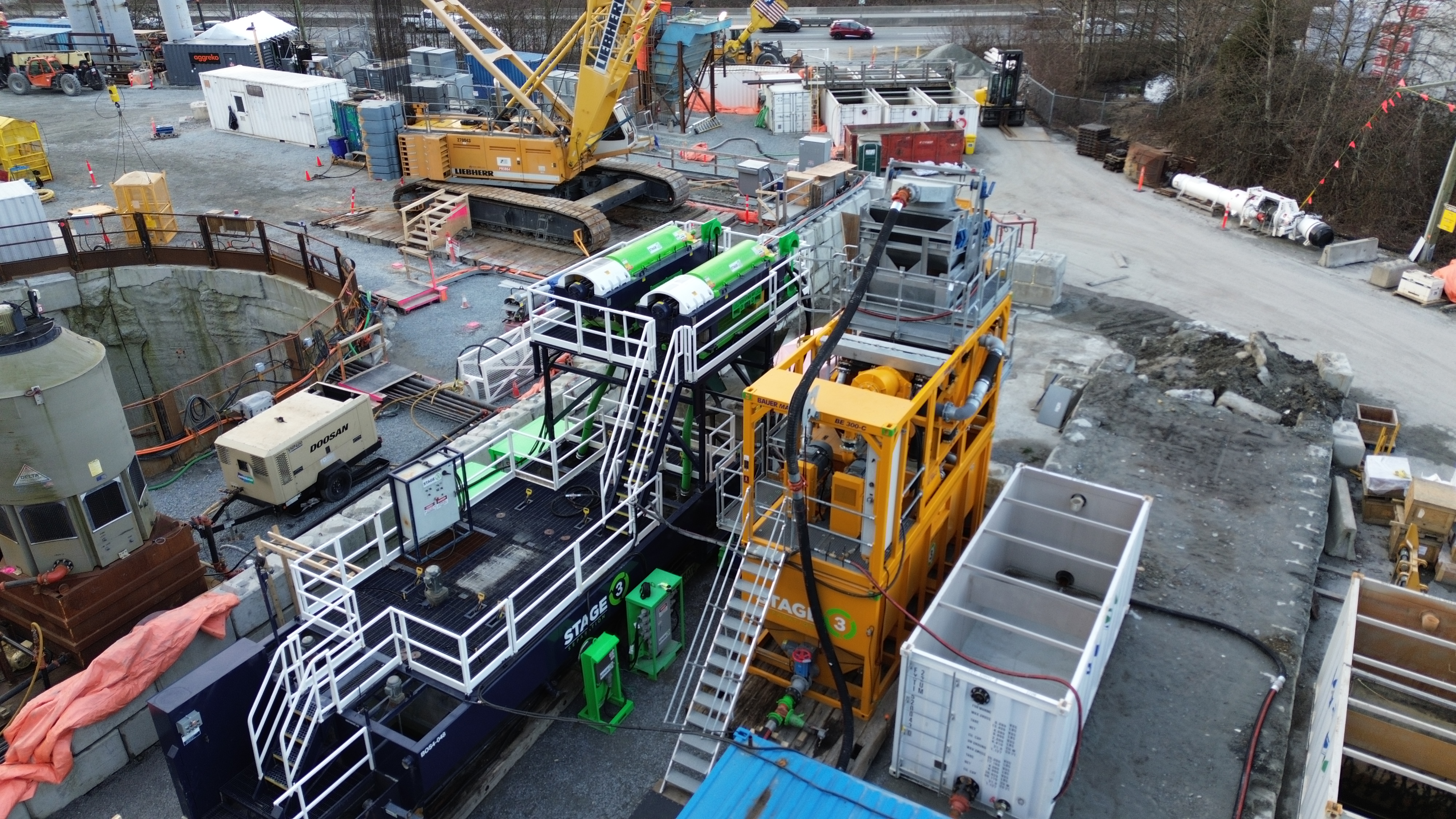
A custom BOS Tank and centrifuge system recycled polymer slurry during foundation drilling and cut vacuum truck demand on a tight urban site.
A custom slurry treatment system produced clear water that met discharge requirements.
A three-phase centrifuge system cut disposal volume and extended fluid life with a fast payback.
MudCube units placed at the sand trap suction point keep contamination out of the active mud system.
Technical questions
Frequently asked questions
S3S owns the plan, equipment, chemistry, field operation, and reporting, and runs the system end to end. Rental leaves you to coordinate a machine dropped onsite.
Both. We fabricate job-specific components in-house, survey the site, and model the layout in 3-D so the system fits and rigs up fast. We can also integrate or repurpose equipment you already own.
Yes. Closed-loop, zero-discharge work is the core of what we do. We recover and reuse water and base fluid on site so little or no liquid waste leaves, and solids come out dry enough to haul to a standard landfill.
On-site dewatering pulls water out of the waste stream, so you haul far less volume and can reuse the recovered water instead of trucking in fresh. That cuts vacuum truck trips, disposal volume, and the cost tied to both.
S3S fits best on jobs with real, sustained slurry or fluid volume over weeks or months, where on-site treatment beats repeated haul-off. We will tell you honestly if a job is too small to justify mobilizing.
As early as possible. Layout, access, flow rate, chemistry, and disposal paths all shape the plan. The earlier we are involved, the more waste and cost we can take out.
Yes. The platform applies across energy, heavy civil, trenchless, dredging, industrial, and municipal work. Equipment and chemistry change; the model stays the same: characterize the stream, design the train, run it onsite, and measure the outcome.
Yes. S3S lab services handle sample analysis, particle-size review, QA/QC, and chemical program development so the system is tuned to the actual waste stream.
Start the review
An engineering review comes before every system design.
With the fluid type, flow rate, and site constraints, S3S will scope the equipment, chemistry, and reporting plan.
Engineering focusCustom site and fluid evaluation
Common inputsFlow rate, fluid profile, footprint, targets
Support24/7 field response
What happens next
- Our engineers review the fluid, the flow rate and the constraints of your site.
- We model the system against your site, then size the equipment and the chemistry.
- You get a design, a scope and a build schedule.