Connected equipment
Centrifuges, shakers, pumps, tanks, meters, and controls are configured around the actual fluid profile and site constraints.
- 5
- Yards staging equipment across North America

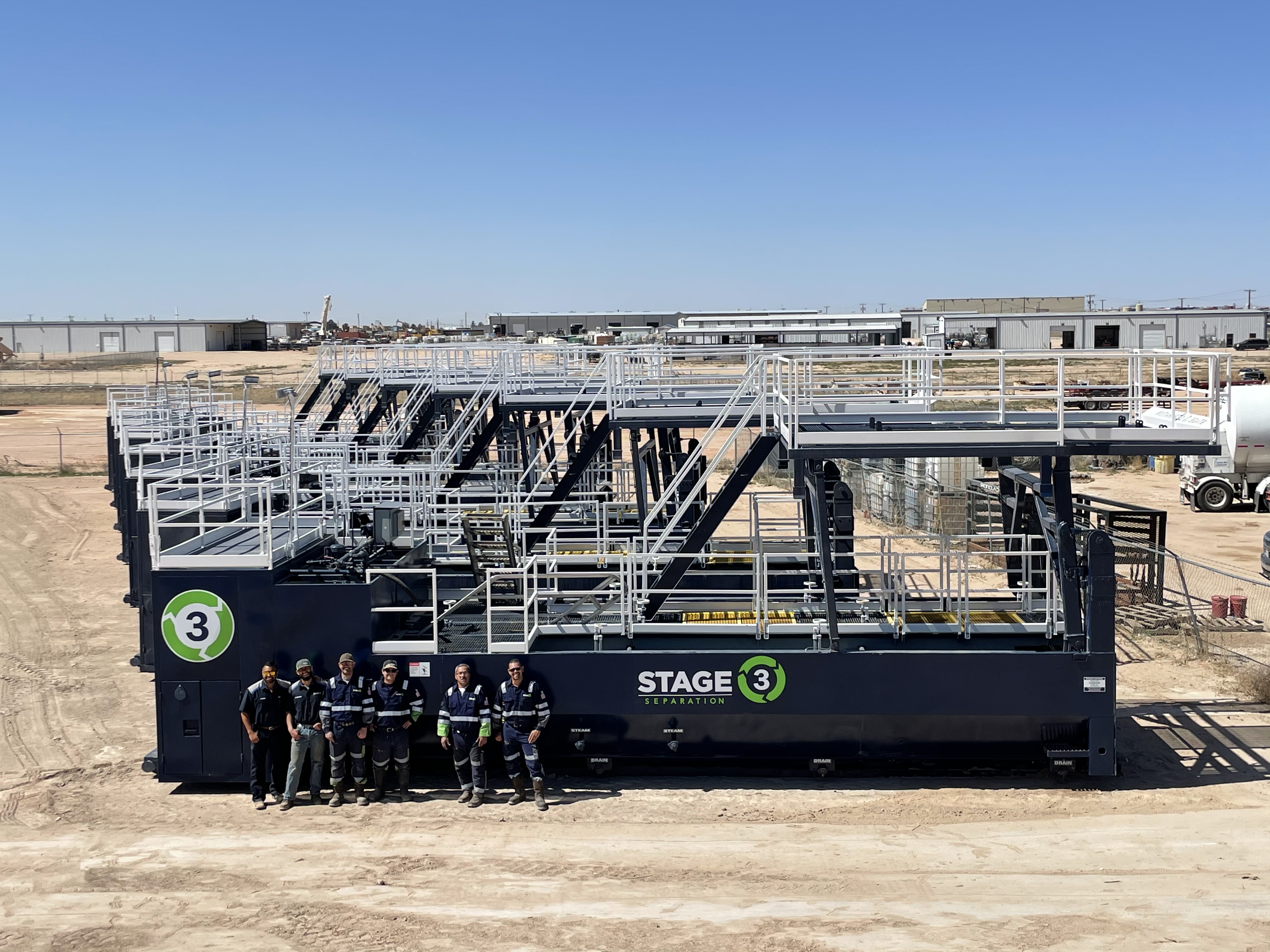
Anyone can buy two centrifuges. S3S keeps a fleet deep enough to put the right size on your job and swap in a backup immediately when one goes down. Every unit is serviced on schedule, with the record documented and available to review.
The full system
S3S supplies the separation equipment, the crews who operate it, and the live data that keeps it tuned, so machine uptime shows up as project performance.
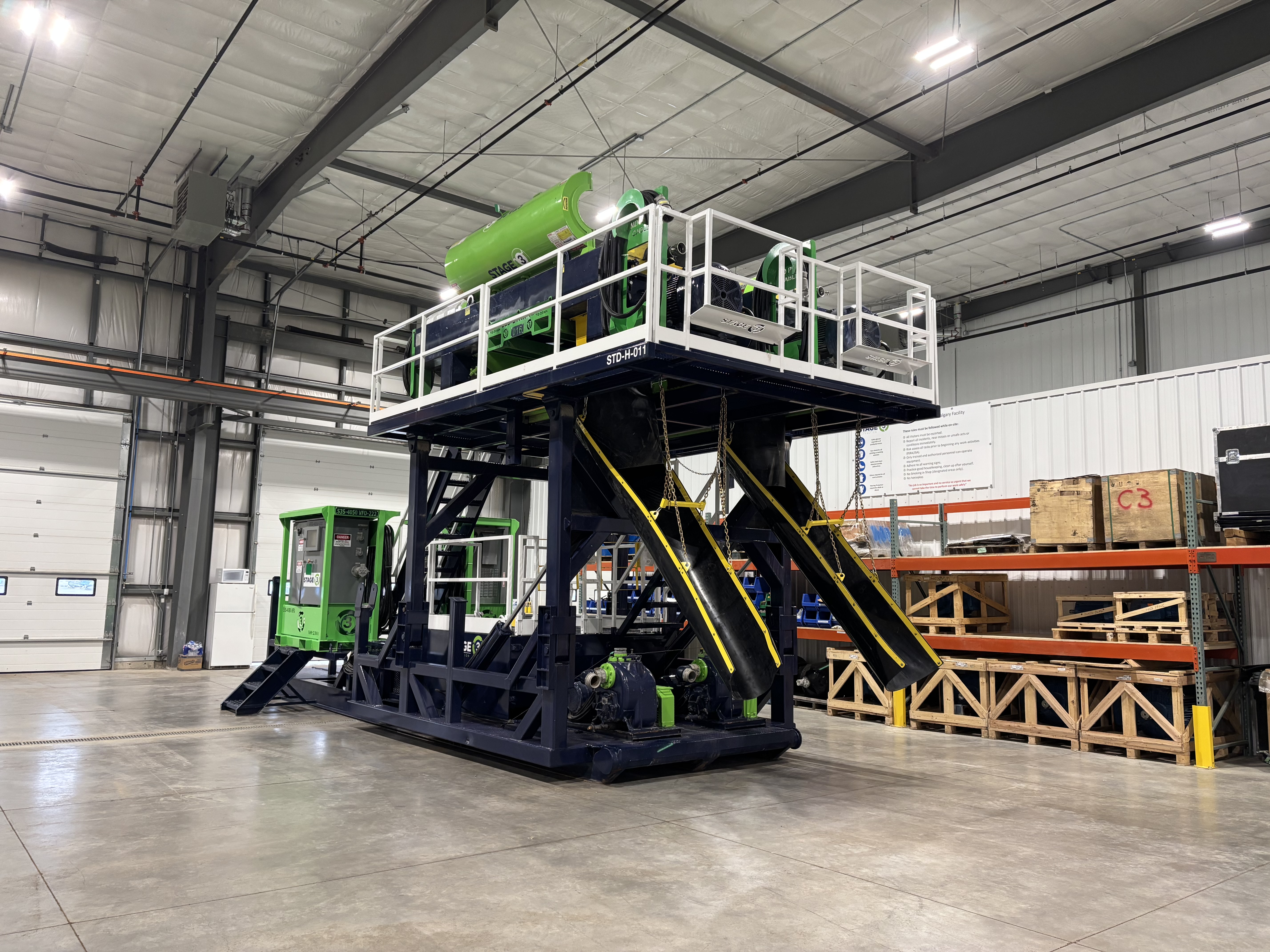
Centrifuges, shakers, pumps, tanks, meters, and controls are configured around the actual fluid profile and site constraints.
Flow, density, recovered volume, machine health, and chemical response are tracked so crews can tune the system while it runs.
S3S operators stay with the system, adjust it as conditions change, document the outcome, and keep the work moving around the clock.
The real difference
Most fluid problems get expensive because responsibility is split across vendors. S3S closes the loop between design, equipment, chemistry, operations, measurement, and reporting.
A machine shows up onsite and the customer manages the rest.
Adjustments happen after problems show up in fluid quality, haul-off, or downtime.
Performance is summarized after the job, often on assumptions.
Each vendor owns a piece, and the project team coordinates the risk.
Field proof
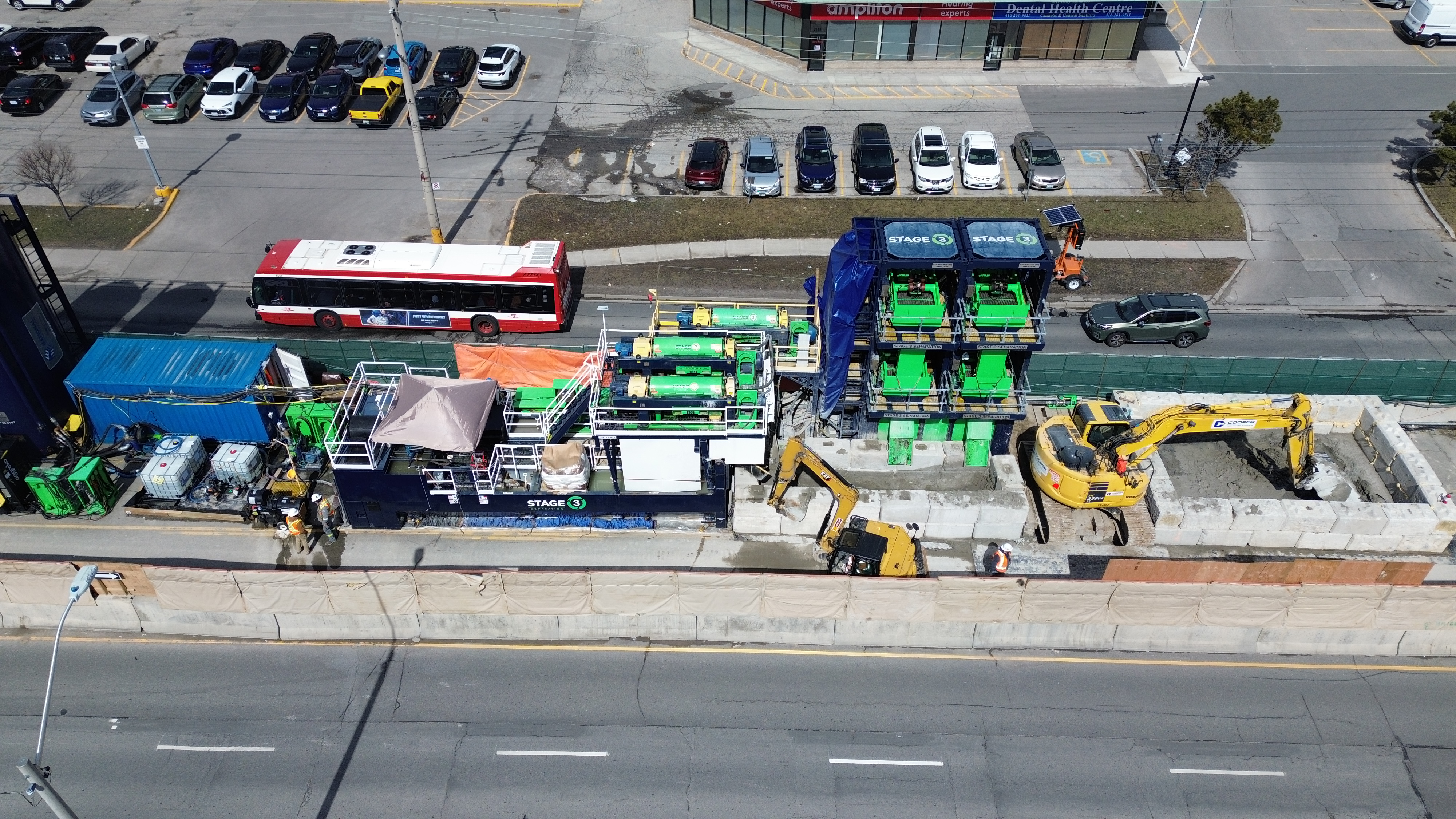
The value shows up as recovered fluid, less dilution, dry solids, cleaner discharge, fewer trucks, and a field team that can prove what happened.
A Midland Basin operator reduced dilution, protected active fluid quality, and lowered total well cost through first-pass solids control.
Better primary separation helped prevent unnecessary base-fluid dilution and kept valuable mud in the active system.
Lagoon remediation converted sludge into dry, stackable solids while returning treated water to the basin.
On the Gordie Howe International Bridge, recycling polymer instead of hauling it kept roughly 160,000 gallons of fluid out of disposal every two weeks.
Decision points
You get the engineered system, the operators, live process control, chemistry support, volume accounting, and reporting. Our crews keep machines in spec and swap a unit before it fails, so a breakdown does not become your downtime. Rent the equipment elsewhere and that responsibility falls to you.
Yes. Our in-house engineering team designs and fabricates equipment to fit the job, including one-of-a-kind systems built, tested, and put on site in two to three months. Most competitors can only sell what is already on the shelf.
When a customer calls, we can be rigged up and running within 24 hours. Deep fleet coverage lets us stage the right machine close to the work. For a Toronto project, we can truck equipment six hours from our Pennsylvania yard instead of five days from Calgary.
Live data takes the guesswork out of flow, density, recovered volume, machine health, and chemical dosing. With more than 10,000 samples analyzed over the years, we can make solid recommendations for your program from the start.
No, and that is by design. S3S competes on total project cost, not the lowest line item. Better solids control cuts dilution, trucking, disposal, and downtime, so the job often costs less even when our rate is not the lowest.
Work with S3S
Tell us the fluid, the volume, and the site. We will help plan the separation before waste and disposal costs are locked in.
What happens next