
Lab services
Lab Services & Fluids Testing
S3S laboratory services turn fluid, solids, and slurry samples into operating decisions. Our teams connect field collection, Particle Size Distribution analysis, environmental QA/QC, and equipment optimization so projects can reduce waste, protect fluid performance, and prove compliance.
Analytical scale
Data that makes separation measurable
The lab is not a side service. It is part of the operating system that helps S3S tune equipment, validate outputs, and show customers what changed in the waste stream.
Fluid and solids samples processed through controlled workflows for QA/QC, performance evaluation, and reporting.
Permian testing and PSD optimization helped maintain mud weight control and reduce base fluid consumption across a drilling program.
Lab-backed solids control reduced diesel consumption while protecting active fluid performance.
Three decades of field and laboratory work across energy, civil, industrial, and environmental programs.
Testing programs
Two lab mandates. One operating goal.
S3S laboratory work supports both performance optimization and environmental compliance. The right testing plan depends on the fluid profile, the site constraints, and what the customer needs to reuse, discharge, or dispose.
Drilling fluids and process optimization
Particle Size Distribution, rheology review, and field sample analysis help crews understand how solids are affecting viscosity, density, pump performance, and active fluid quality. That data feeds directly into centrifuge settings, shaker performance, chemical strategy, and field operating decisions.
- Primary value
- Cleaner active fluids
- Testing focus
- PSD, rheology, retorts, QA/QC
- Equipment link
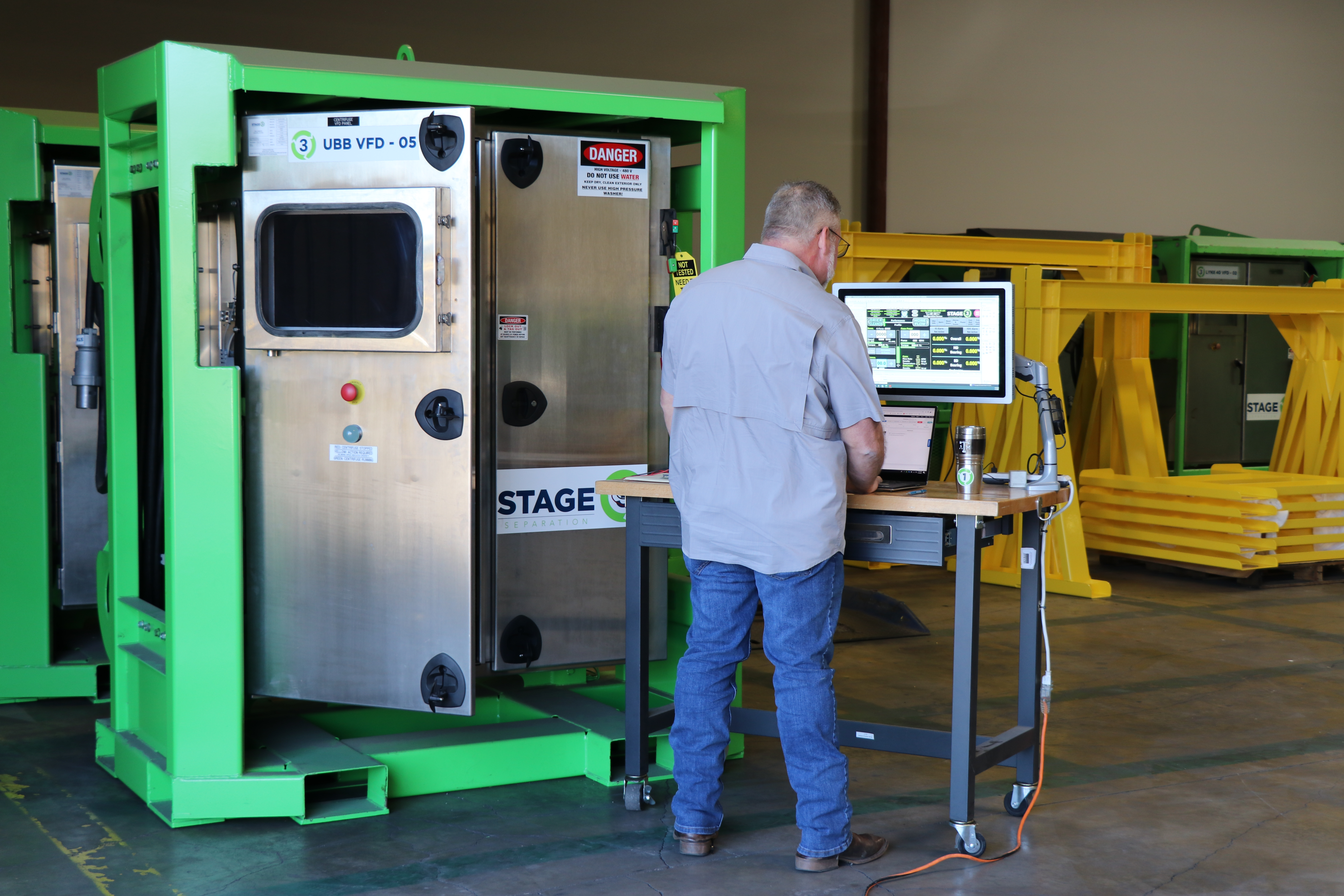
- Shakers, VFD centrifuges, slurry plants
- Outcome
- Lower dilution and faster correction
Sample integrity
Precision from the flowline to the lab
Accurate data starts with clean sample management. S3S uses a controlled workflow so samples can be tied back to timing, location, equipment state, and the customer KPIs that matter.
01
Sample planning and scoping
The team defines the required samples, customer KPIs, timing, and sampling frequency before the job is fully underway.
02
Secure collection and RFID tracking
Field technicians collect samples under defined protocols and tag each sample with a unique RFID identifier for chain-of-custody control.
03
Immediate field analysis
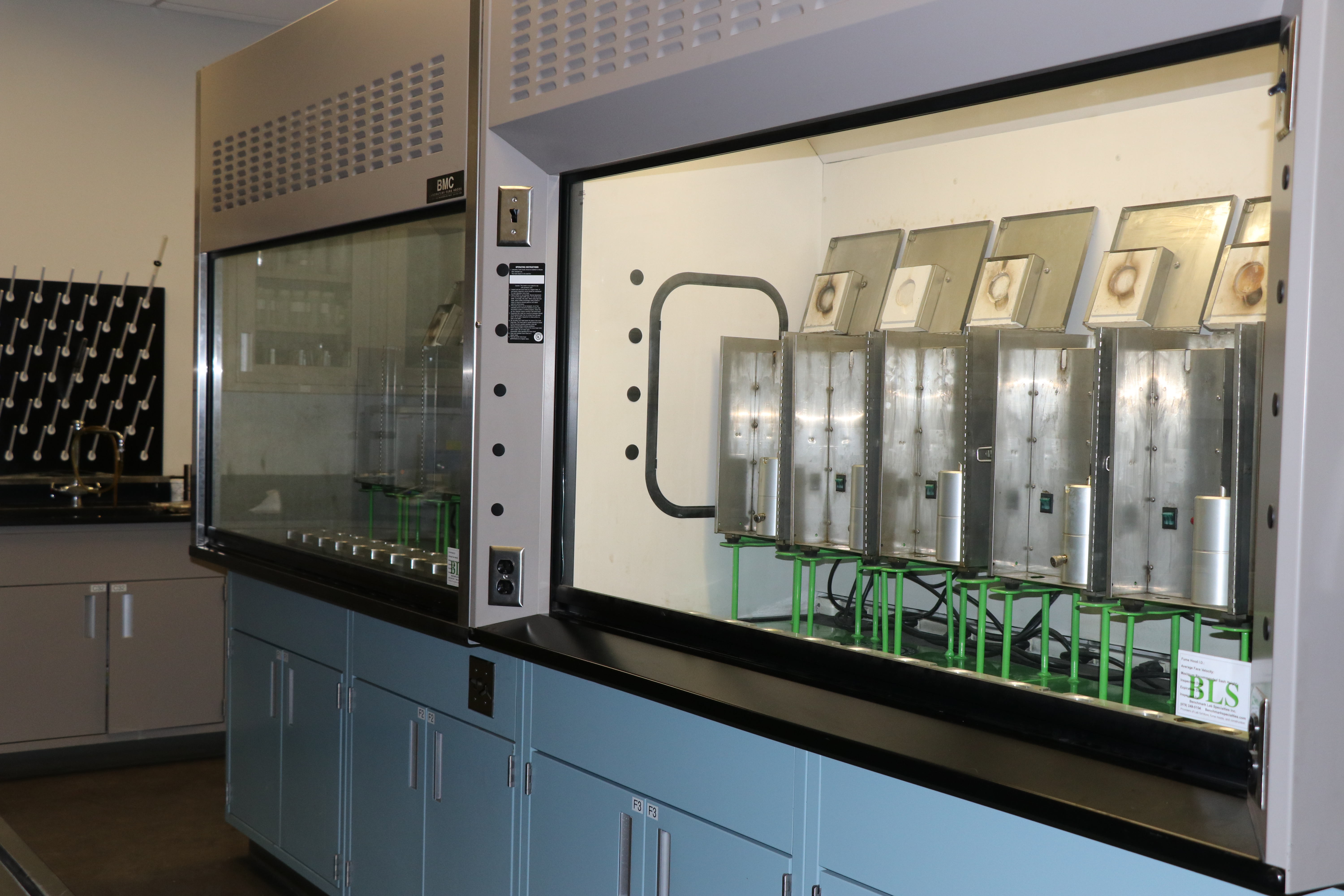
Initial weighing, retorts, and field observations provide fast feedback so crews can tune shakers, hydrocyclones, centrifuges, and chemistry.
04
Controlled transportation
Secure sample boxes are retrieved on a defined cadence and transported under controlled conditions to the appropriate S3S laboratory.
05
PSD and QA/QC analysis
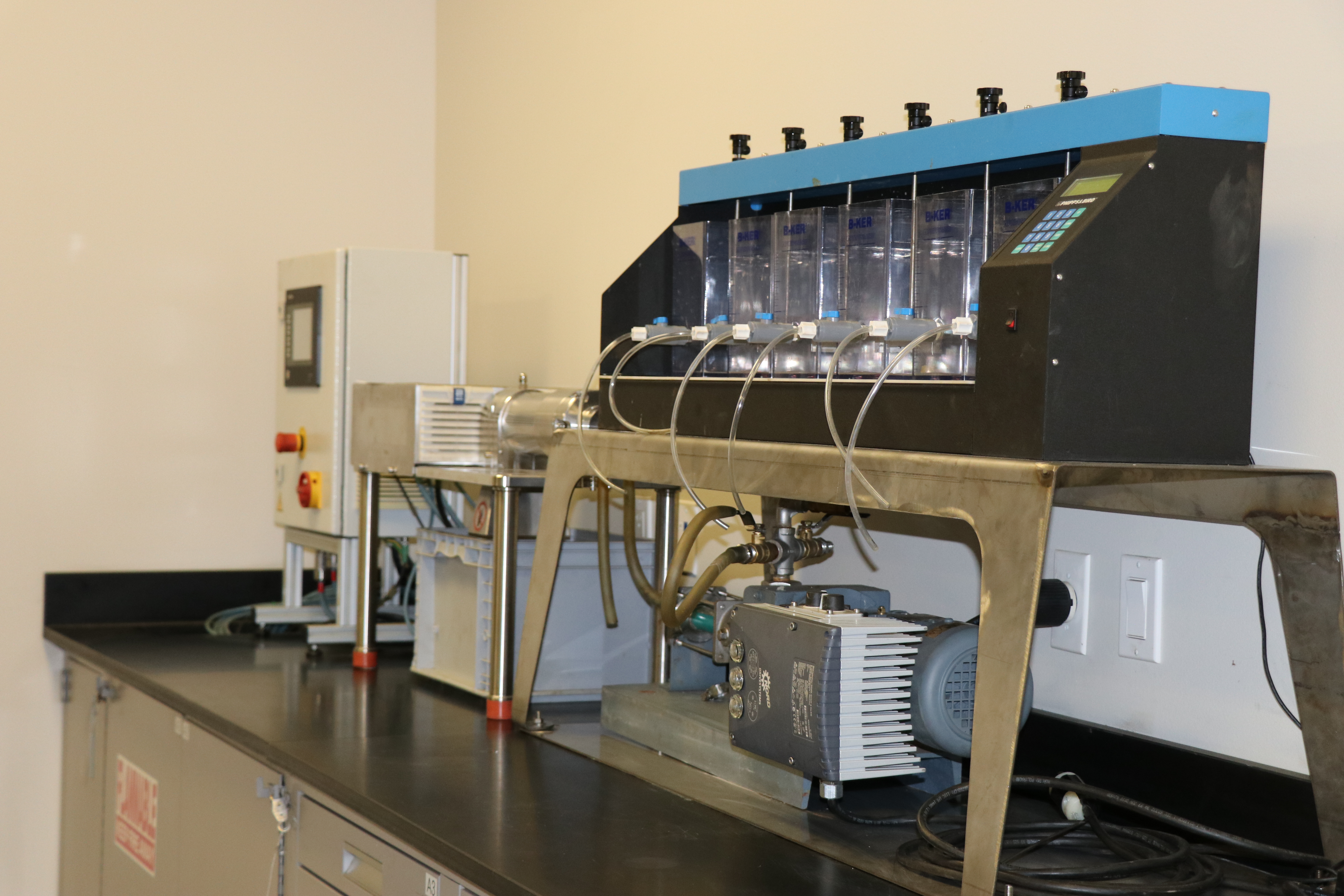
Laboratory technicians run Particle Size Distribution and QA/QC analysis to evaluate equipment performance and fluid health at a microscopic level.
06
Retention and responsible disposal
Samples are retained for verification when needed, then managed through an environmentally responsible disposal process.
Facility support
Two lab hubs for critical North American sectors.
S3S supports laboratory work from strategically located facilities in Houston and Midland. Each hub connects analytical work to the field teams, equipment packages, and customer programs it supports.
Houston corporate laboratory
Houston, TX
Houston supports multi-site coordination, advanced analytical programs, and energy and industrial customers across the Gulf Coast and beyond.
Midland Permian Basin laboratory
Midland, TX
Midland supports high-volume drilling programs across West Texas and Southeast New Mexico with local lab response.
Customized field lab support
Mobilized around the project
For remote or compliance-sensitive work, S3S can support customized field testing workflows that keep discharge and performance decisions close to the site.
Real-world impact
Data that drives the bottom line.
Laboratory-backed separation work matters because it changes project economics. Better sample data lets crews tune equipment sooner, prove outcomes more clearly, and reduce waste before it becomes locked-in disposal cost.
Permian Basin testing and PSD optimization helped maintain mud weight control and reduce diesel consumption across a drilling program.
Industrial resource recovery used particle size, density, and composition analysis to support a custom multiphase separation approach.
Municipal tunneling work used environmental QA/QC and processing to safely manage slurry and grout backflow in a constrained urban setting.
Toronto tunnel slurry processing reduced total waste handling and disposal costs while keeping the project inside environmental requirements.
FAQ
Frequently asked questions
Lab work replaces trial-and-error with sample-specific data. By mapping Particle Size Distribution and fluid condition, S3S can tune equipment and chemistry around the actual waste stream instead of guessing from surface observations.
Yes. The Houston and Midland labs can support standalone analytical verification for customers who need accurate fluid and solids testing, third-party troubleshooting, or recommendations before a larger deployment.
Yes. S3S can support field testing workflows for remote projects and compliance-sensitive discharge streams so operators have timely confidence that reclaimed water and separated solids are staying inside required specifications.
The sample workflow covers planning, controlled collection, RFID tracking, field analysis, secure transportation, laboratory QA/QC, retention, and responsible disposal. The goal is to preserve a reliable chain from collection through reporting.
Start optimizing
Stop guessing. Start optimizing.
Bring S3S the fluid profile, sample challenge, compliance target, or operating problem. Our lab and engineering teams can help define the testing plan and connect the results to a practical field decision.
Lab locationsHouston and Midland, TX
TestingPerformance and environmental
Response24/7 field support
What happens next
- The lab reviews your samples, the fluid and the decision they have to support.
- The lab confirms the test program and what each result will tell you.
- You get the analysis and a recommendation you can act on.