
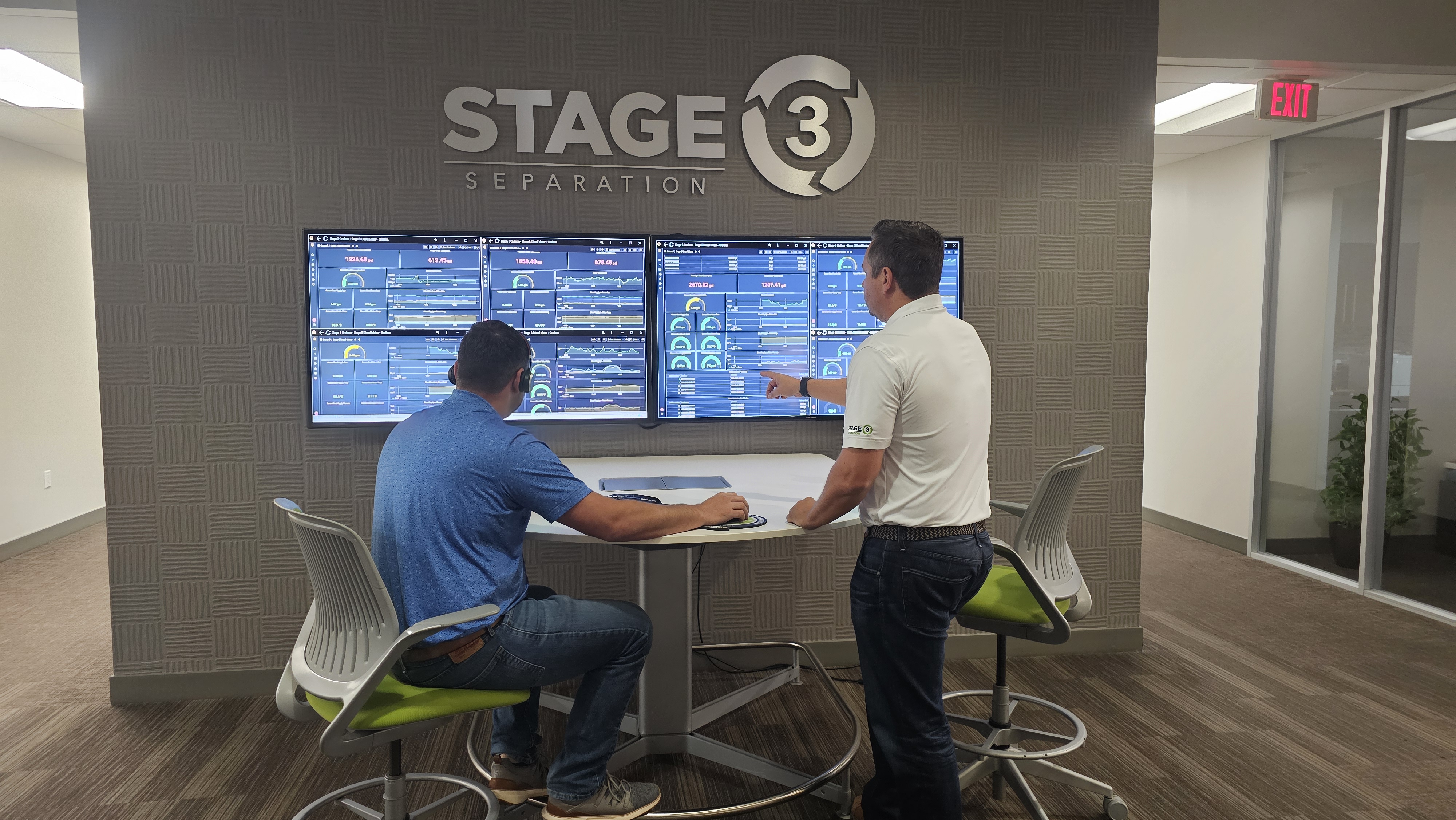
S3S jobs have daily reports that keep the S3S work visible as the job progresses.
Solids control reporting & analytics
Make the solids-control decision visible.
Stage 3 Separation (S3S) connects daily field reporting, relevant operating observations, and sample work to the solids-control scope. The result is a clearer record of what happened on the job and a better basis for the next conversation, rather than another disconnected data stream.
A record that supports the work
A report matters only if it answers the team's actual question.
A report is useful when it gives the right people enough context to review the work. S3S defines that context around the program, the equipment scope, the material, and the decisions the project team needs to make.
More than 10,000 samples analyzed over the years give S3S practical context for fluid and solids conversations. Results still depend on the specific sample and project.
Relevant operating activity, material movement, equipment observations, and sample information are agreed around the work; no generic report is assumed.
The operating record creates a basis to discuss changes, exceptions, and next steps with the project team.
Reporting that stays connected
The record has to follow the work.
Information loses value when it is separated from the equipment, material, and field conditions that produced it. S3S keeps the reporting conversation close to the team running the solids-control scope.
01↗02↗03↗
Record the work that changed the day.
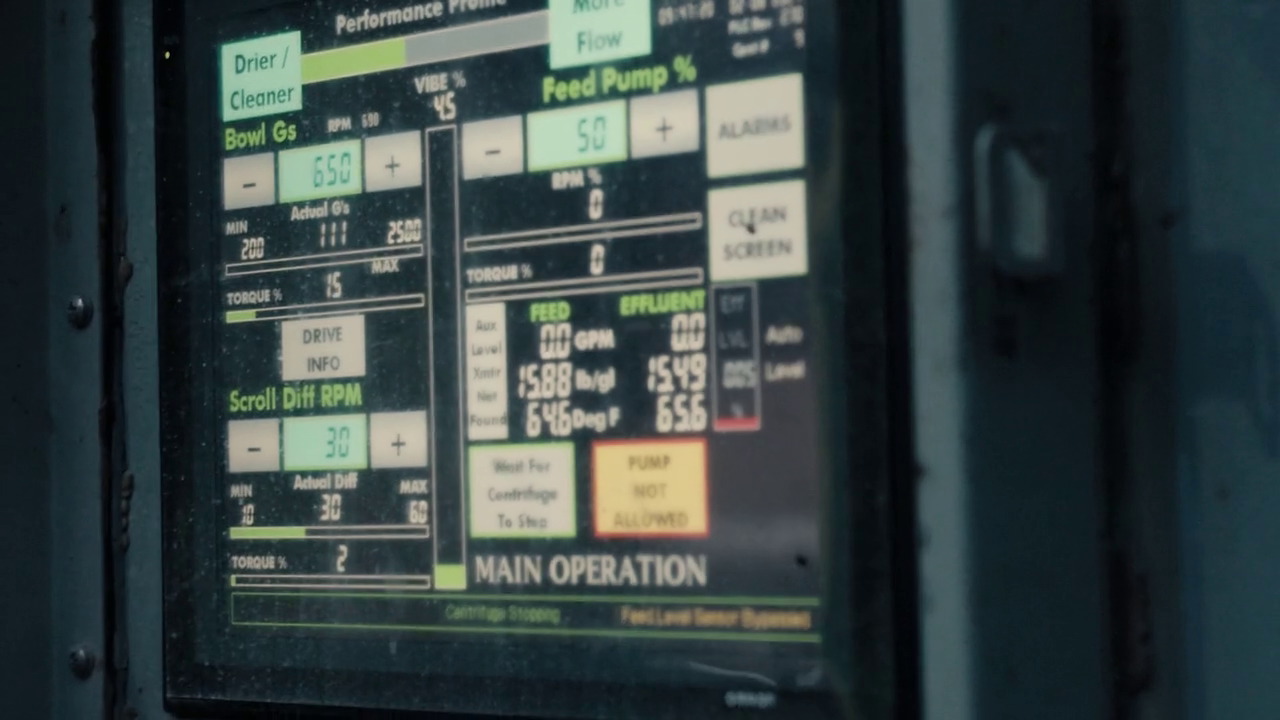
Daily reporting can capture the operating activity and observations relevant to the S3S scope. The exact fields are planned with the project rather than copied from a generic template.
Put the sample in its operating context.
When sampling or laboratory work is part of the plan, the result belongs beside the field conditions and treatment decisions it is intended to inform. A result alone is not a recommendation.
Give the next conversation a shared reference.
The purpose is not a report for its own sake. It is a clear record that lets S3S and the customer review the work, investigate exceptions, and decide what should change within the agreed scope.
Before work begins
Choose the record before the job starts.
The most useful reporting plan is designed with the operating plan. Define what the project team needs to see, who owns each input, and how changes will be reviewed while those decisions can still affect the work.
Define the questions the report must answer
The report should answer specific questions: operating status, material handling, sample follow-up, or another agreed project need.
Define the inputs and owners
Identify which observations, measurements, records, and sample results belong to the S3S scope, and which remain with the operator, rig, laboratory, or another partner.
Keep conditions with the numbers
Time, equipment configuration, material changes, and operational events matter when the team interprets a value. Preserve that context rather than presenting a total without a story.
Review exceptions, not just totals
Establish how S3S and the project team will flag a change, request more information, or adjust the plan. Reporting informs that conversation; it does not replace the project’s other records or approvals.
The reporting loop
From job plan to project review.
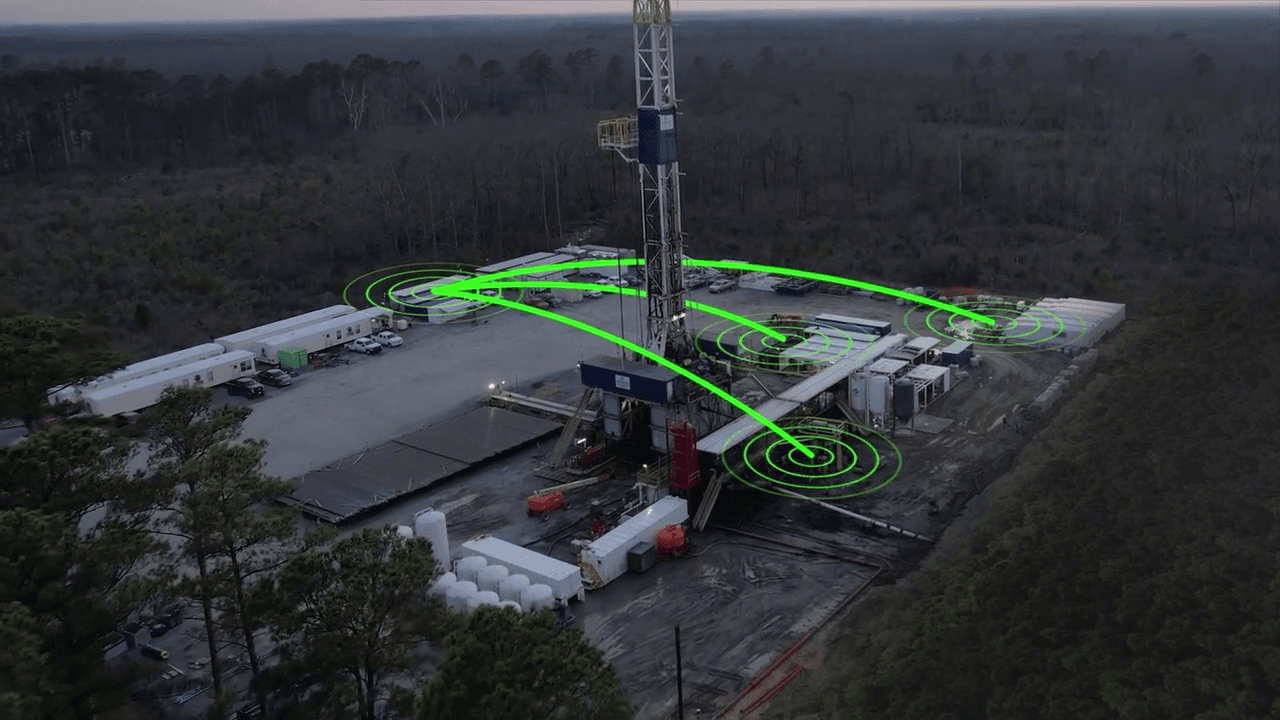
S3S builds reporting into the operating scope so the field record, sample work, and customer conversation stay connected.
01
Define the reporting scope
Confirm the program, operating questions, responsible parties, available data, and the daily or project-review cadence.
02
Run and record the work
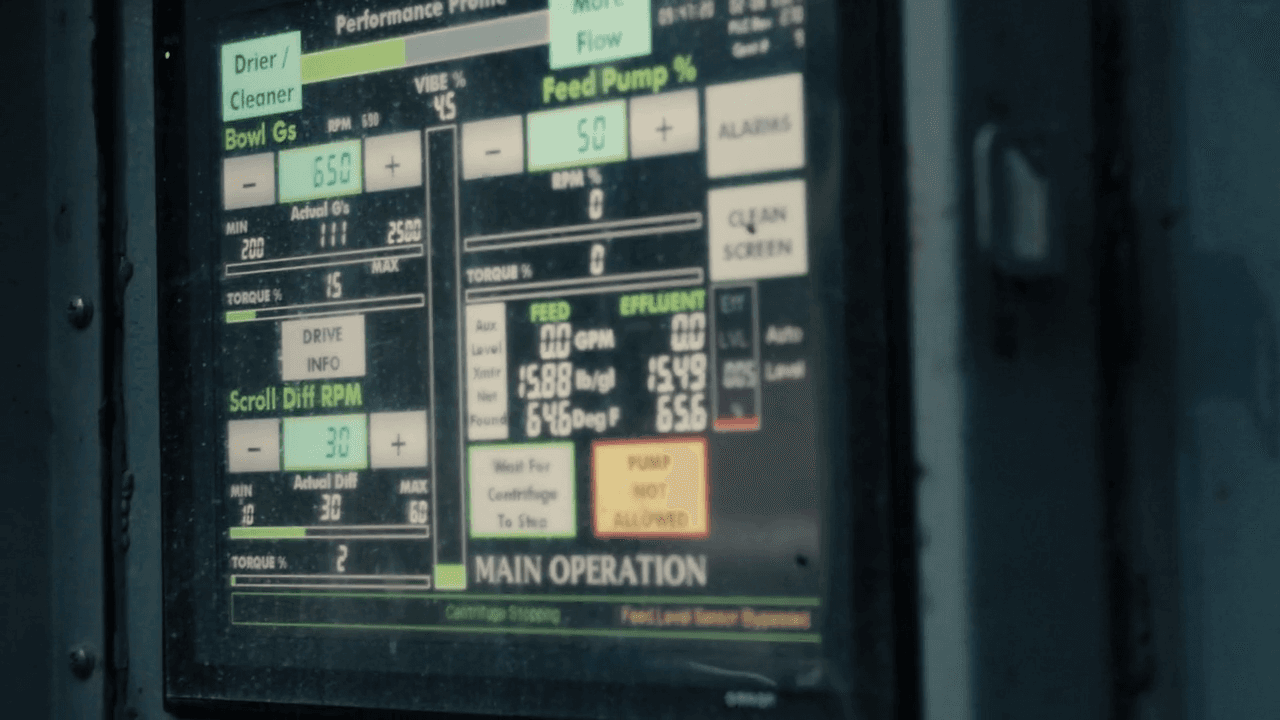
The field team documents the S3S activity and the observations that are relevant to the plan as the job progresses.
03
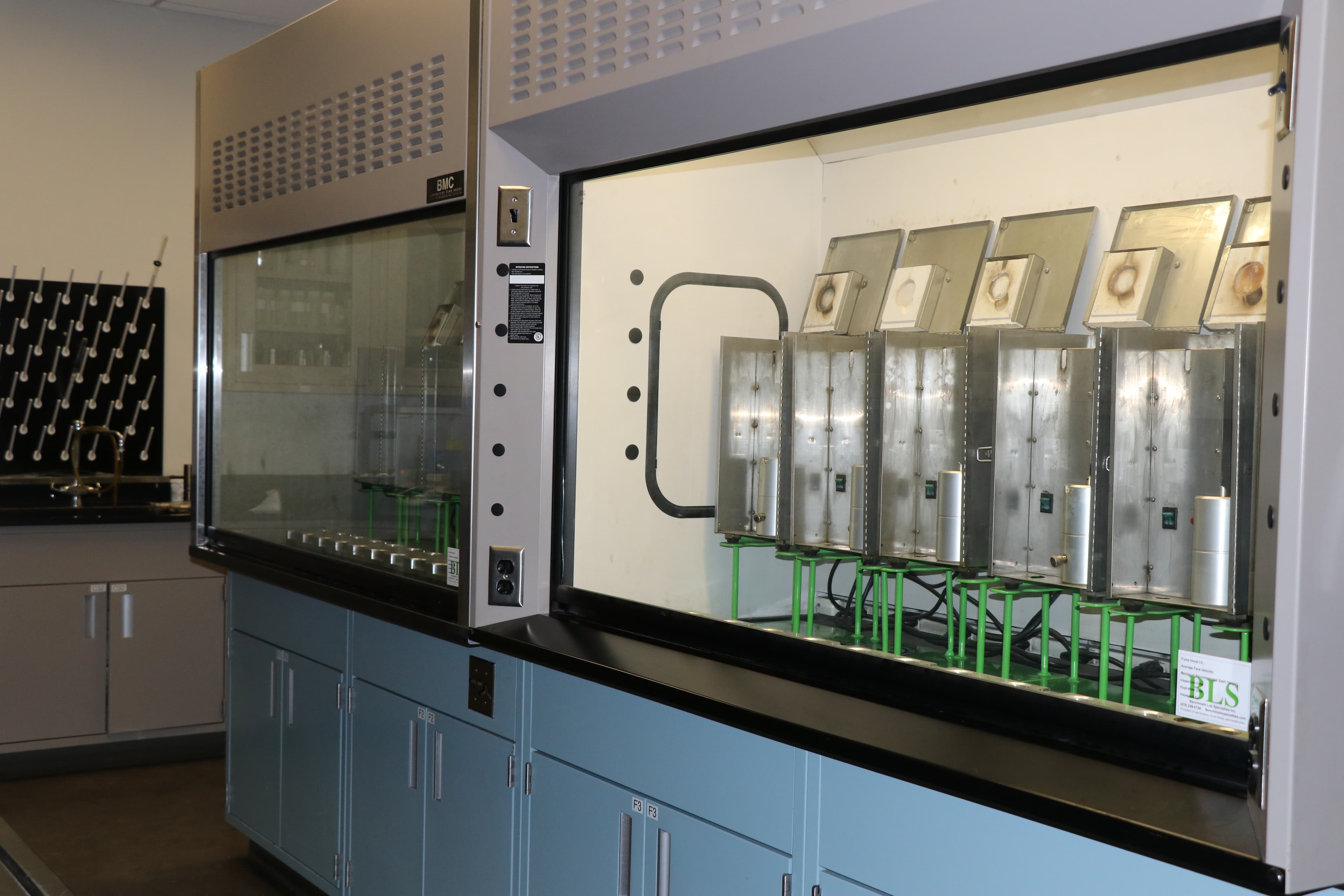
Sample and interpret when required
Field or laboratory samples add material context when they are part of the scope. Results are reviewed against the conditions and questions that prompted the sample.
04
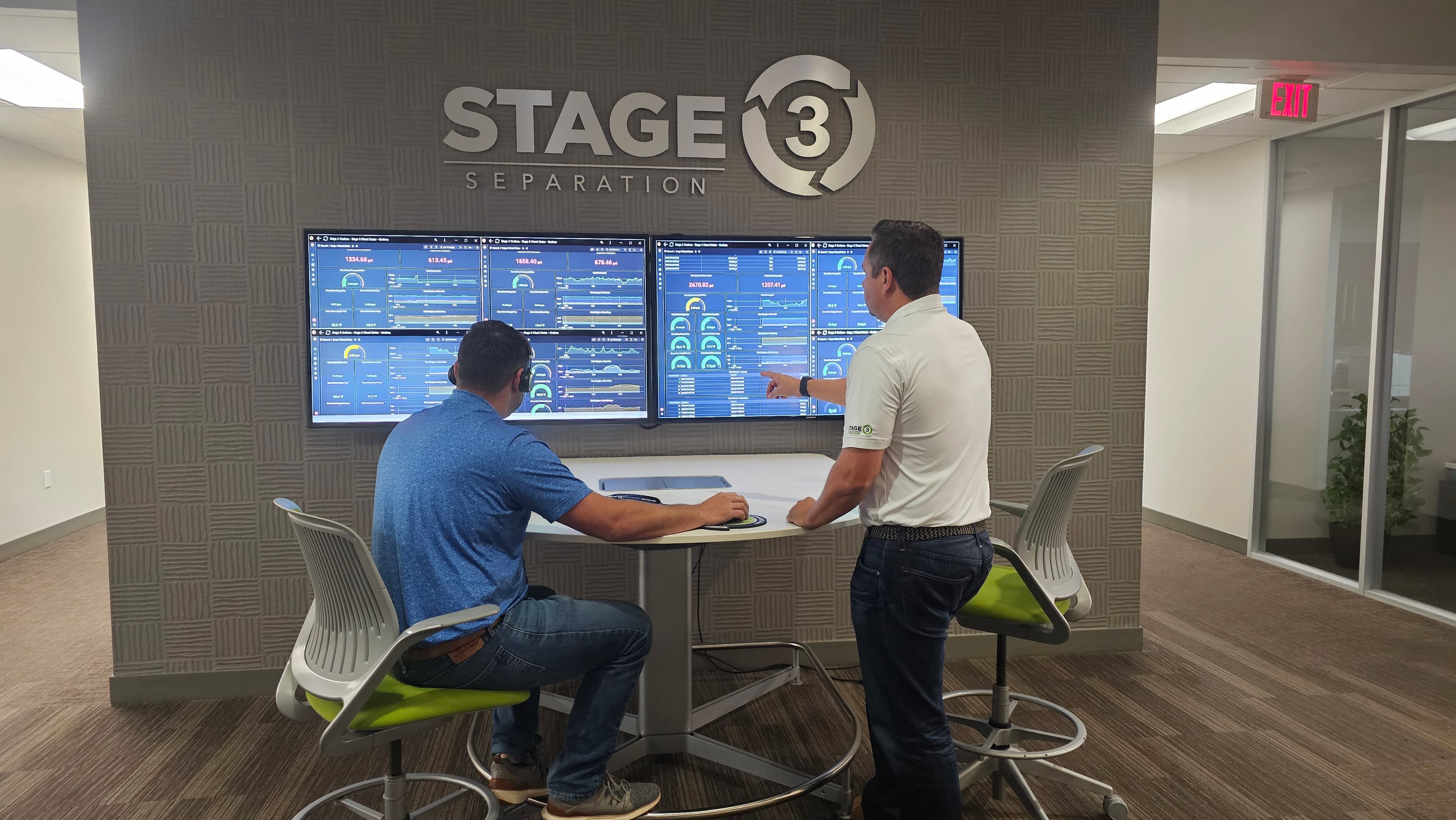
Review and act
S3S and the project team use the record to discuss status, exceptions, follow-up, and appropriate changes within the agreed work.
Reporting boundaries
Questions to settle before the work starts.
Yes. S3S jobs have daily reports. The report’s fields and cadence are set around the program and the S3S scope, so a daily report should not be assumed to have the same content on every project.
Depending on the work, a plan can connect S3S operating activity, selected measurements, equipment observations, material movements, and sample information. The project team agrees the relevant inputs and responsibility for each before work begins.
No. S3S reporting documents the S3S scope. It supports the project conversation but does not replace operator systems, rig records, regulatory submissions, permits, receiving-facility requirements, or third-party laboratory documentation.
When sampling or laboratory analysis is part of the plan, S3S can connect the result to the operating conditions and treatment question it is meant to inform. More than 10,000 samples have been analyzed over the years, but every sample and project still needs its own interpretation.
Reporting can document the S3S work and support a project review. It does not by itself guarantee cost savings, equipment performance, regulatory compliance, discharge quality, or acceptance by another party.
Build the reporting plan
The program and its open questions shape the reporting plan.
Share the operating scope, location, material or fluid context, reports or sample data already available, the decisions your team needs to make, and the project timeline. S3S will help define a practical reporting and review plan for its scope.
What happens next
- A separation specialist reviews the fluid system, the well plan and the site.
- We size the equipment and the crew against your schedule and the outputs you need.
- You get a configuration and a scope you can price the job against.