
Midland Basin savings through optimized filtration, reduced dilution, and better active fluid control.
Solids control services
Modern Solids Control Services
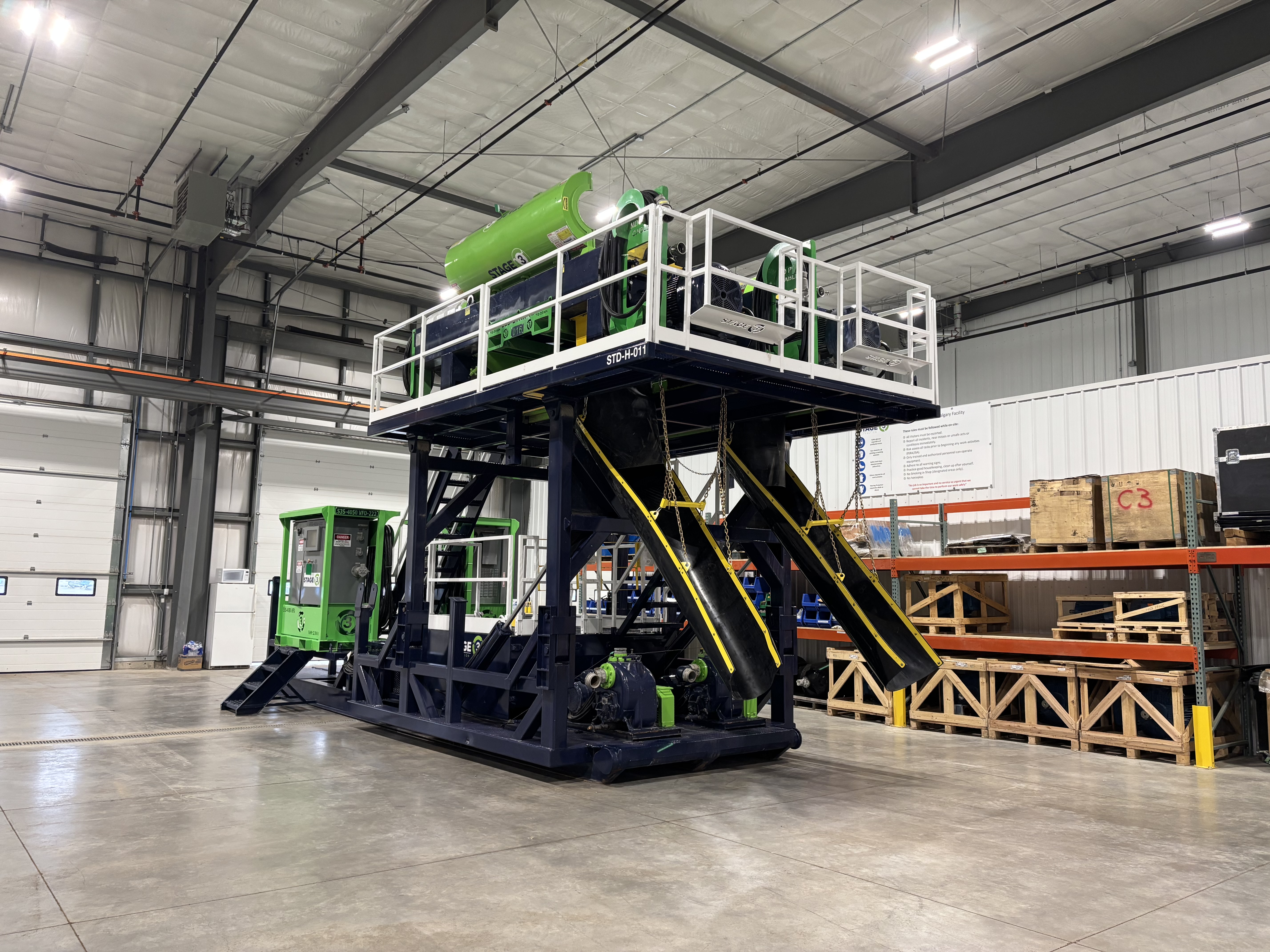
High-efficiency fluid reclamation, automated IoT dewatering, and high-performance primary shakers designed to optimize fluid life, protect tools, and reduce disposal costs before waste becomes the job.
Outcomes realized
Performance by the numbers
S3S replaces commodity equipment rentals with engineered fluid management partnerships. The result is measurable value across drilling, industrial, municipal, and infrastructure work.
First-pass solids control helps prevent active mud contamination and unnecessary base-fluid dilution.
Field-proven deployments across North American energy, infrastructure, industrial, and municipal sites.
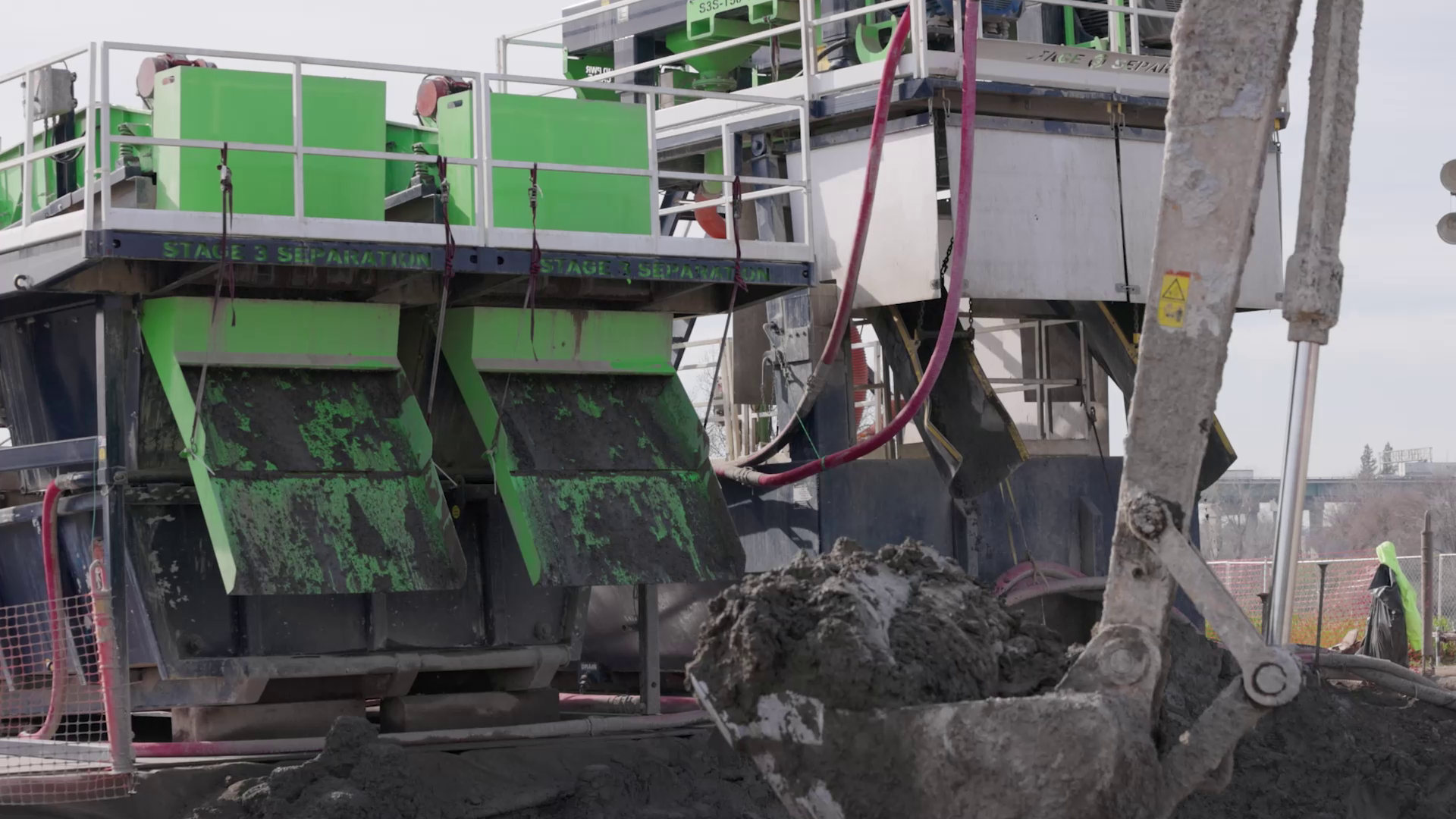
Lagoon remediation output converted into dry, stackable solids while returning treated water to the site.
The trusted process
Planning, live management, proof
Every solids control package starts with the fluid, the flow rate, the site constraints, and the target outcome. S3S designs the train, runs it on location, and validates the result.
01
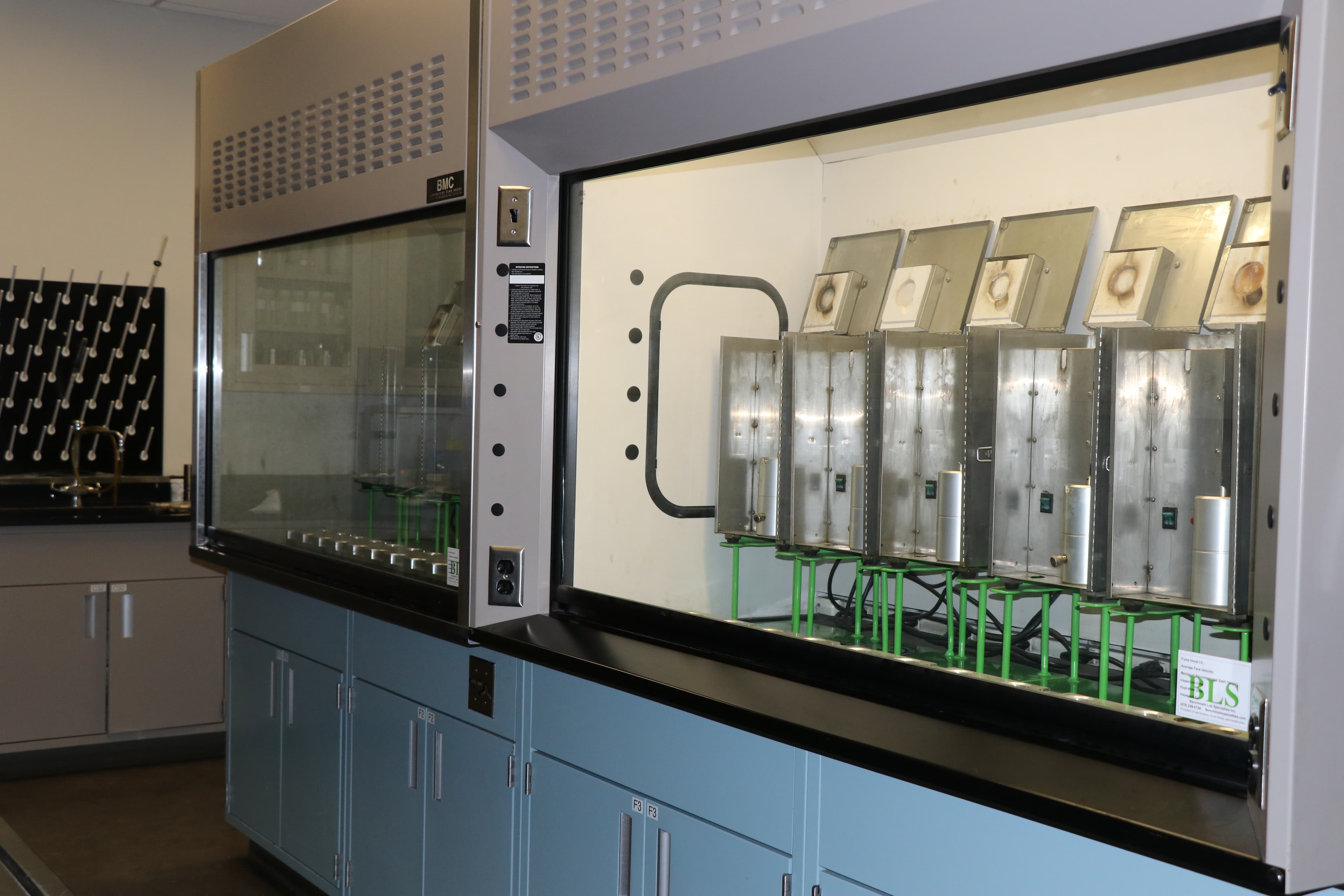
Pre-project planning
Lab review, fluid characterization, system sizing, and baseline target metrics before mobilization.
02
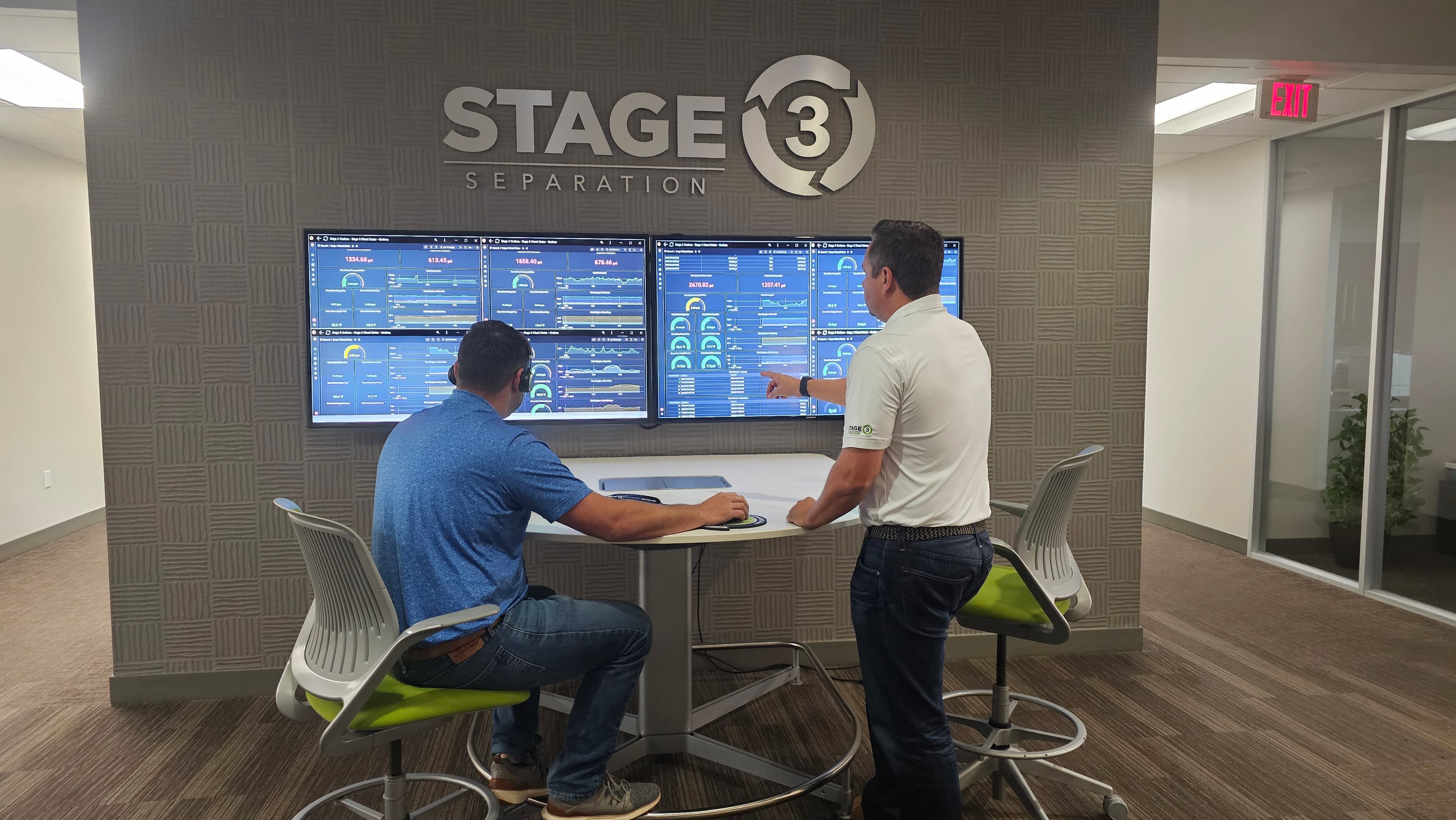
Live management
S3S technicians supervise the system onsite while IoT-enabled equipment tracks the process in real time.
03
Post-project analysis
QA/QC validation, particle-size reporting, disposal support, and ROI review after the work is complete.
Engineered separation equipment
A custom fleet for reliable fluid processing
S3S pairs proprietary equipment with field crews and engineering support. The right configuration depends on the fluid chemistry, solids load, footprint, and reuse or disposal objective.
First-pass solids removal
High-performance primary shakers remove solids from returning fluids on the first pass. That protects active fluid quality and cuts the dilution and waste volume that drive disposal cost.
- Primary value
- Protects active fluid quality
- Best fit
- Drilling and weighted mud systems
- Operating goal
- Lower dilution and waste volume
- S3S role
- Design, install, run, optimize
System mechanics
How solid-liquid separation works
Mechanical separation is a progressive process. Each stage removes a tighter solids range so the active fluid stays usable, disposal volumes shrink, and downstream equipment sees a cleaner feed.
StageCut PointRoleOutput
Primary screeningCoarse solidsFirst-pass removal before solids degrade into the active systemProtected fluid and reduced waste load
HydrocyclonesApprox. 15-74 micronsCentrifugal settling separates sand and silt fractions from the flowCleaner intermediate fluid
Decanter centrifugeApprox. 2-5 micronsHigh-speed polishing isolates low-gravity and colloidal solidsPolished fluid and concentrated solids
Dewatering chemistrySite-specificCoagulation and flocculation prepare fine solids for mechanical removalReusable water and dry solids
Deployment and applications
Multi-basin reach. Multi-industry performance.
S3S supports solids control projects from major energy basins to municipal lagoons and heavy civil jobs. The same core model applies everywhere: engineer the system, run the equipment, measure the outcome.
Houston, TXGulf Coast operations and support
Midland, TXPermian Basin solids control
North DakotaBakken field deployment
Calgary, ABCanadian project coverage
Energy sector
Oil, gas, geothermal, drilling fluids, weighted mud, completions, and production-adjacent waste streams.
Construction slurry
Tunneling, HDD, foundations, excavation support, and infrastructure projects where haul-off economics matter.
Municipal dewatering
Lagoon sludge, digester cleanouts, biosolids, dredged material, and treatment-plant residuals.
Technical questions
Frequently asked questions
S3S provides the engineered treatment plan, the equipment package, the field operators, and the reporting. The customer is buying a managed outcome, not a machine dropped at the gate.
First-pass solids removal is most valuable where it protects expensive active fluids, reduces dilution, and prevents cuttings or polymer degradation from becoming a downstream problem.
Yes. In weighted systems, S3S can configure centrifuge trains around barite recovery and low-gravity solids removal so useful material is returned while unwanted fines are discharged.
Yes. S3S uses lab work and field QA/QC to establish the treatment approach, validate outputs, and adjust the system as the fluid profile changes.
Build with S3S
Choose performance. Choose S3S.
Bring S3S into the planning conversation before waste volume, dilution, and disposal cost become fixed. Our team will review the fluid profile, site constraints, target outputs, and deployment timeline.
What happens next
- A separation specialist reviews the fluid system, the well plan and the site.
- We size the equipment and the crew against your schedule and the outputs you need.
- You get a configuration and a scope you can price the job against.