Stage 3 Separation
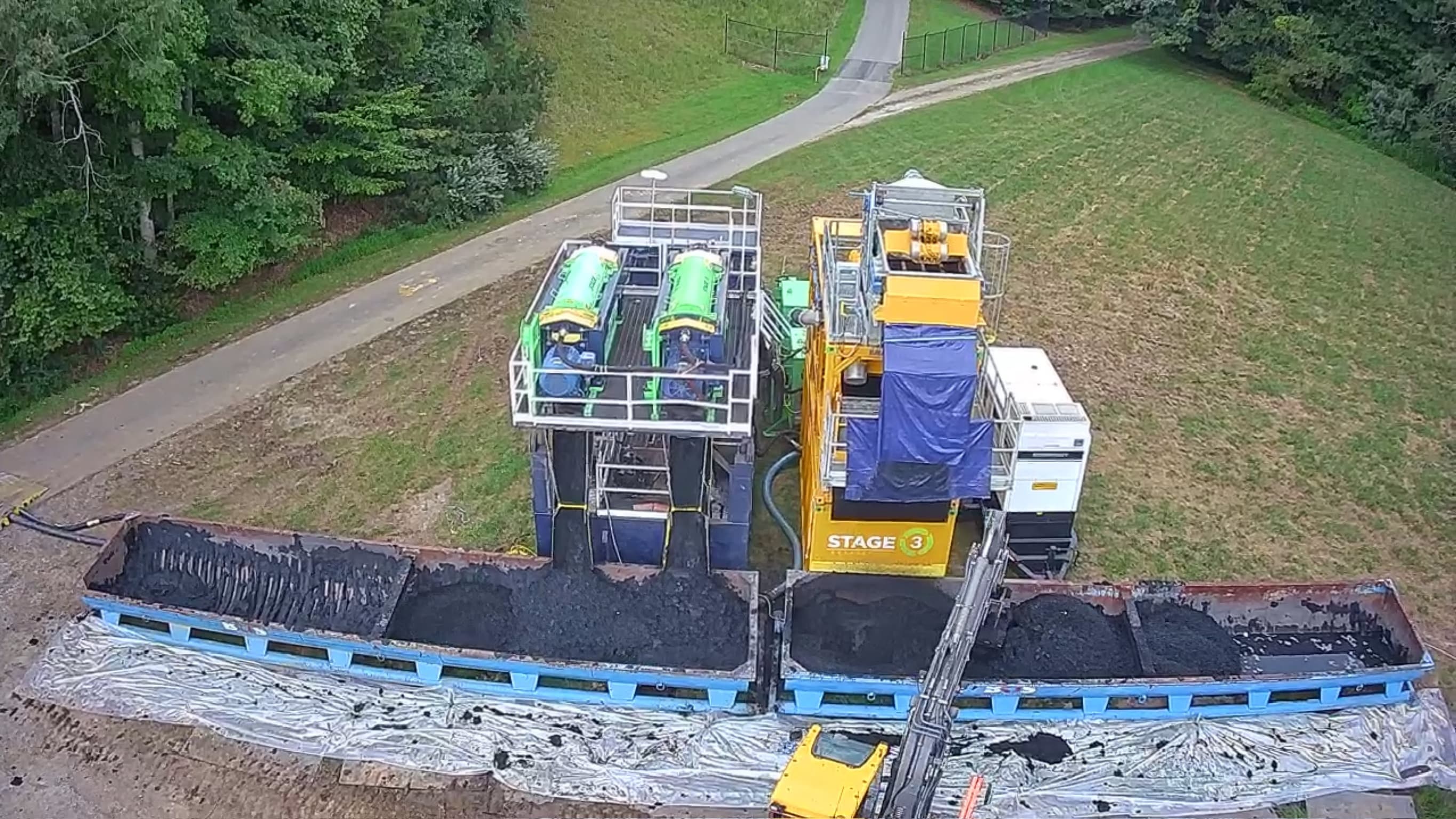
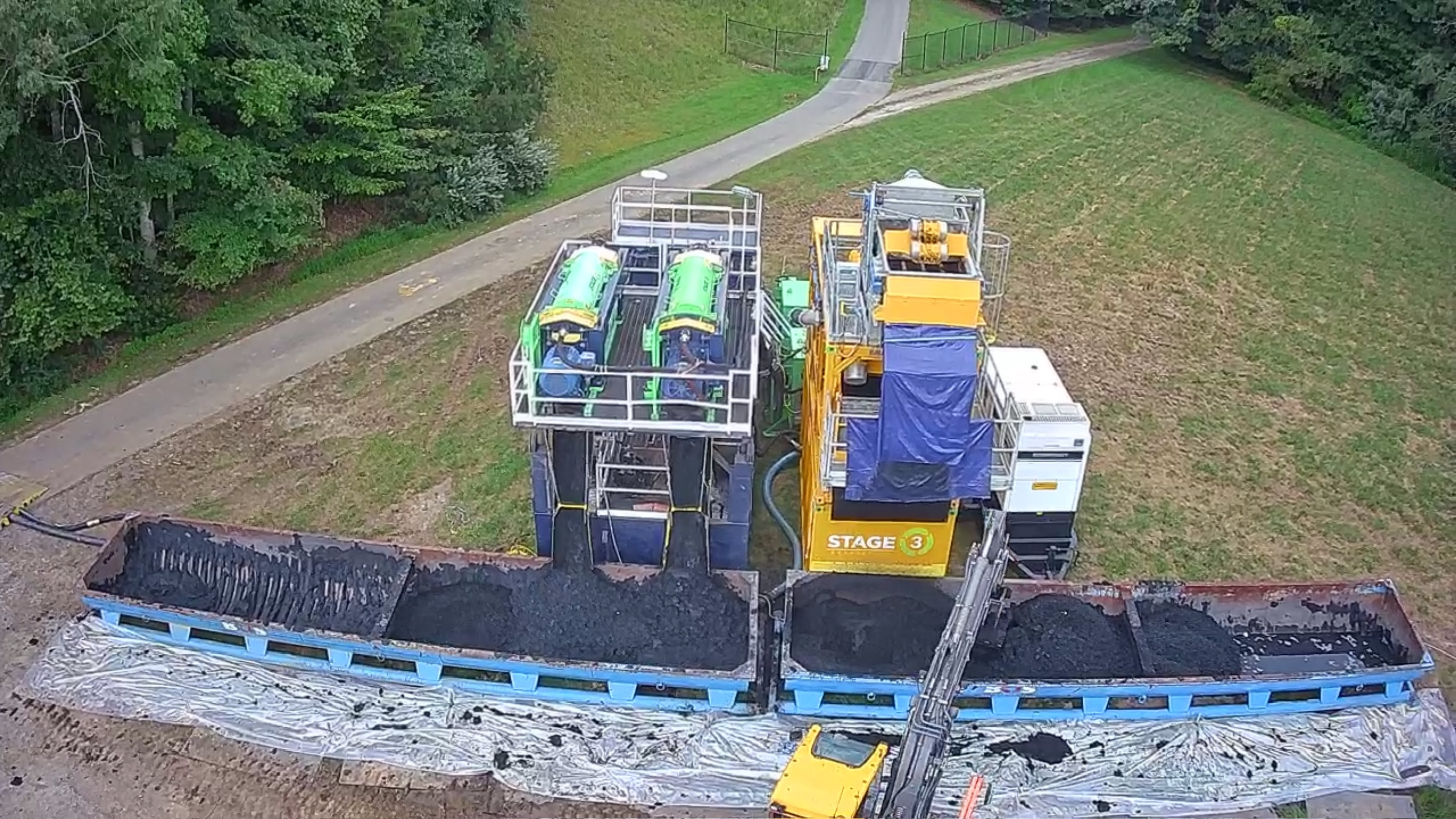
Wide view of an onsite dredging material treatment system

Dredging material management

Plan the controls around the material path.

Environmental compliance in dredging is not created by a centrifuge, a tank, or a test result alone. It depends on the project's permit conditions, material characterization, approved routes, operating controls, documentation, and the decisions made by the responsible owner, regulator, and receiving parties. Stage 3 Separation (S3S) helps project teams turn those inputs into a workable separation and dewatering plan. We scope and operate the equipment, process controls, sampling support, and field records within the agreed S3S scope. That structure lets the dredged material, separated water, and concentrated solids be managed against the requirements the project has actually defined.

Where responsibility sits

Compliance is a project system, not an equipment feature.

S3S can support the separation and operating scope. The owner, permittee, consultant, laboratory, regulator, and receiving facility can each have their own decisions and responsibilities. Define those handoffs before the field team is asked to work around an assumption.

01

Begin with representative material

Sediment can change across a basin, channel, depth, or dredging phase. Existing characterization, representative samples, particle-size information, debris, chemistry, and known contaminants give the project team a basis to decide what needs further testing and which treatment stages should be evaluated. Treatability work can inform process design; it does not replace characterization or approval required by the project.

02

Define both output routes before equipment is final

The separated liquid and concentrated solids each need a documented next step. Liquid may be held, returned to a process, sent to further treatment, or routed only as authorized for the project. Solids may be staged, sampled, loaded out, treated further, or placed at an approved destination. Mechanical separation does not itself authorize reuse, discharge, beneficial use, transport, or disposal.

03

Assign the decision owners

Define who supplies data, approves a route, collects samples, maintains records, operates equipment, arranges transport, and accepts material. The precise S3S scope belongs in the proposal and contract; it should not be inferred from a generalized service description.

04

Make verification part of operation

Controls only work when the team knows what to observe, when to sample, who reviews a result, and what changes if conditions move outside the agreed operating plan. S3S can organize equipment operation, observations, and agreed records around that field-verification loop. Responsible project parties retain the decisions assigned to them by permits, approvals, and contracts.

Project workflow

Set the controls before the dredge starts.

A field-ready material-management plan identifies the conditions that matter, the controls to use, and the party who decides when the plan needs to change.

Dredging project site with material-processing equipment
01

Map requirements and handoffs

The plan maps the source area, dredging method, expected production, site access, known permits or approvals, water route, solids destination, reporting needs, and responsibility matrix, then marks the unknowns early. A plan is more useful when it identifies the decision that still needs to be made than when it fills the gap with an assumption.

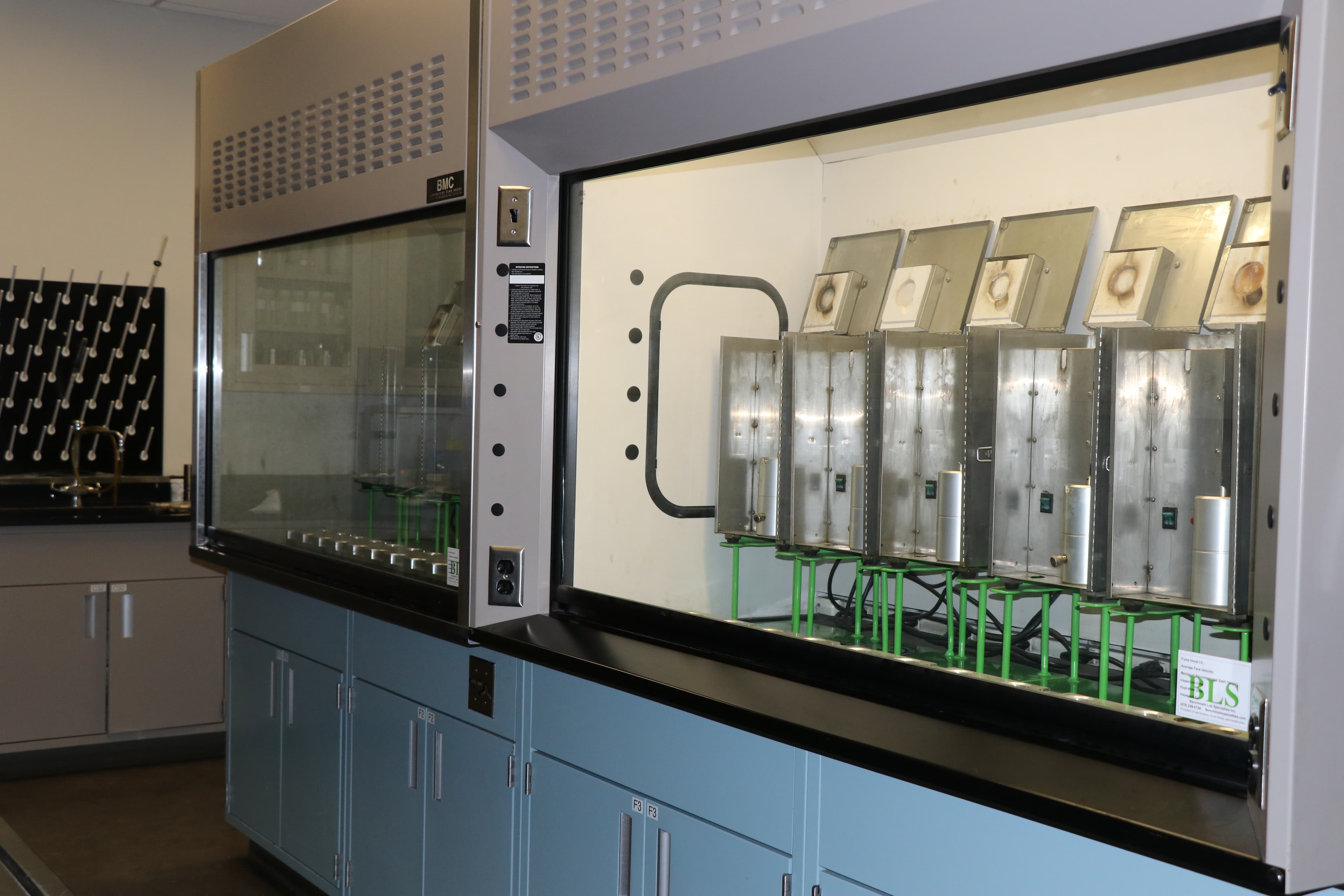
Laboratory testing equipment prepared for sample analysis
02

Characterize and design for variability

Review available material data and representative samples, then evaluate receiving, equalization, screening, classification, conditioning, dewatering, containment, and output handling around the actual feed. The design has to account for changes in sediment, weather, dredge production, footprint, utilities, traffic, and storage, not one ideal sample.

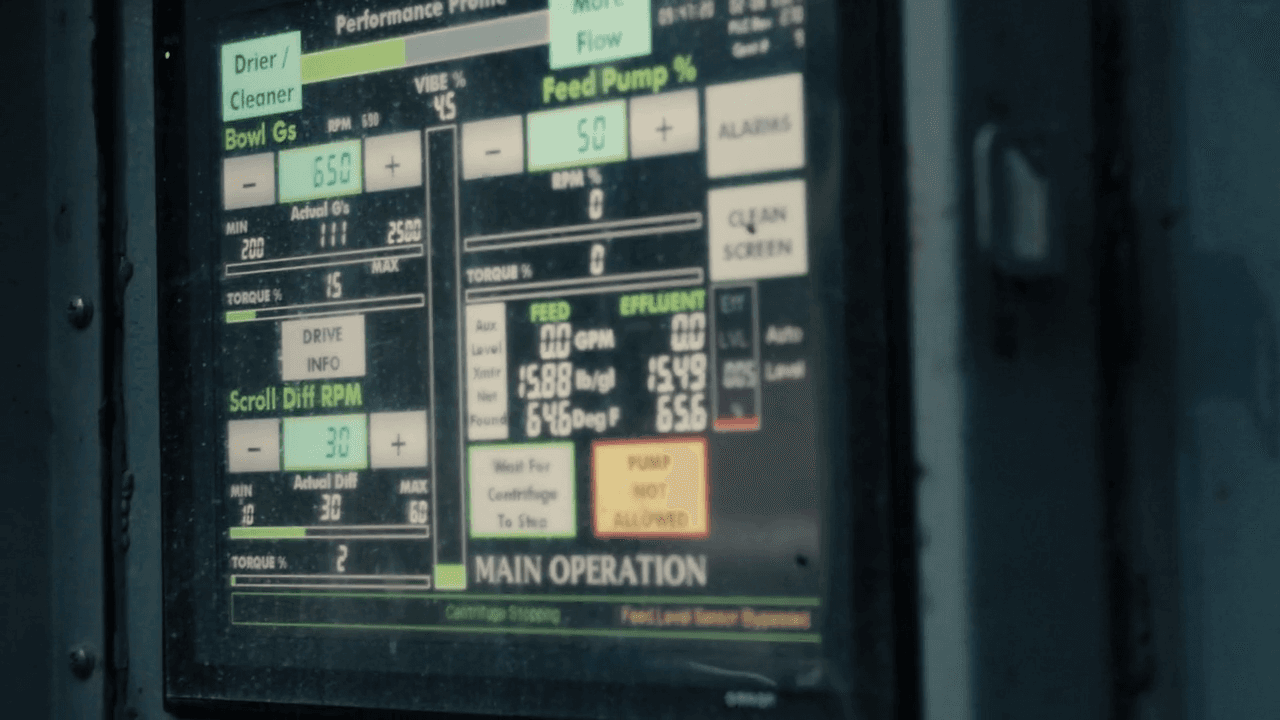
Equipment control screen displaying live operating information
03

Operate with defined control points

Set the expected feed range, equipment sequence, sample locations, observation cadence, record format, and escalation path before mobilization. S3S operates the agreed separation scope and records relevant activity and exceptions. Adjustments are made within the operating plan; changes that affect an approval, route, or acceptance criterion return to the responsible project decision-maker.

Aerial project view with measurement points highlighted across the operating site
04

Reconcile the streams and records

At each handoff, connect the material, the relevant sample or record, and the next authorized step. Reconcile what was processed, stored, transferred, or staged at the level the project requires. Final discharge, reuse, placement, transport, and receiving-facility acceptance remain project-specific decisions of the applicable authority or receiving party.

Field controls

Use each process stage for the job it can actually do.

S3S can combine receiving, screening, classification, conditioning, dewatering, tanks, pumps, metering, and field operation around the actual material and approved management plan. The treatment train supports the project controls; it does not replace them.

Create a controllable starting point.

Dredged slurry can arrive with debris, gravel, sand, organics, and abrupt changes in solids loading. Receiving and equalization help the team manage that variability before it reaches fine separation. Screens and coarse-separation stages protect downstream equipment and create clearer material streams for the next agreed handling step.

Review
Peak flow, debris, solids loading
Control
Receiving and equalization
Observe
Feed changes and bypass risk
Purpose
Stable downstream treatment
Dredged material being handled beside onsite separation equipment

Control points

Keep the material, the record, and the next decision together.

The specific tests, limits, records, and approving parties are set by the project. This reference shows where the separation scope should connect to them.

StageCut PointRoleOutput
Project definitionBefore equipment selectionName the source, output routes, applicable requirements, scope owners, and unresolved decisionsA responsibility map and design basis
CharacterizationRepresentative sediment and water dataUse available information and required testing to evaluate treatment and destination optionsDefined inputs and documented unknowns
Receiving and separationLive feed within the planned rangeOperate equipment, observe process conditions, and flag material changesControlled streams for the next step
Liquid managementProject-defined water routeStore, transfer, sample, monitor, or send water to any required additional treatmentDocumented handling toward the authorized route
Solids managementConcentrated material and acceptance pathStage, sample, load, treat further, or place material under the project planDocumented transfer to the designated next party
Records and closeoutProject reporting requirementsReconcile agreed operating activity, material movement, samples, and exceptionsA project record for responsible-party review

Three different decisions

Do not let one material question stand in for another.

Permits and approvals, the liquid route, and the solids route are connected, but they are not interchangeable. Each one has its own owner, its own record, and its own decision point, and a plan that treats them as one line item will fail at the first handoff.

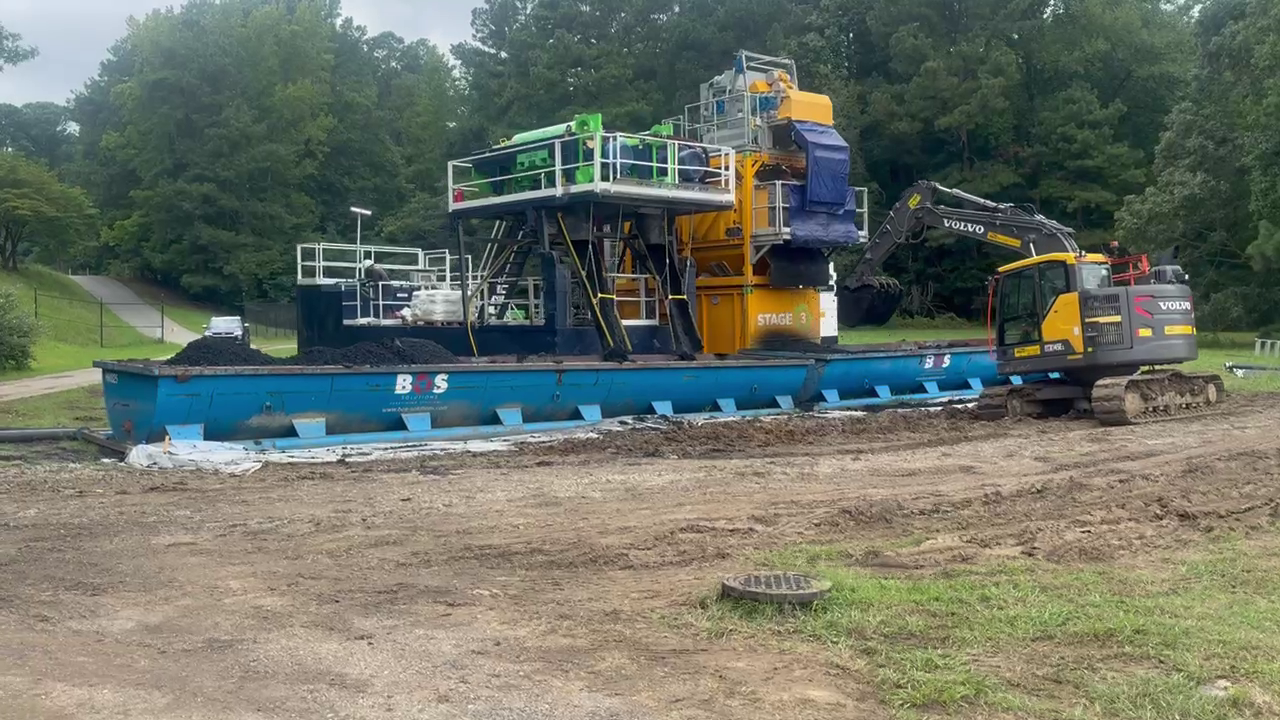
Dredging project site with material-processing equipment

Permits and approvals set the project boundary

S3S needs to understand the requirements that affect its scope, but it does not assume the role of permittee or regulator. The responsible project parties establish the applicable permits, approvals, conditions, reporting obligations, and decision rights. Put those roles in the project plan before mobilization.

Explore engineering services
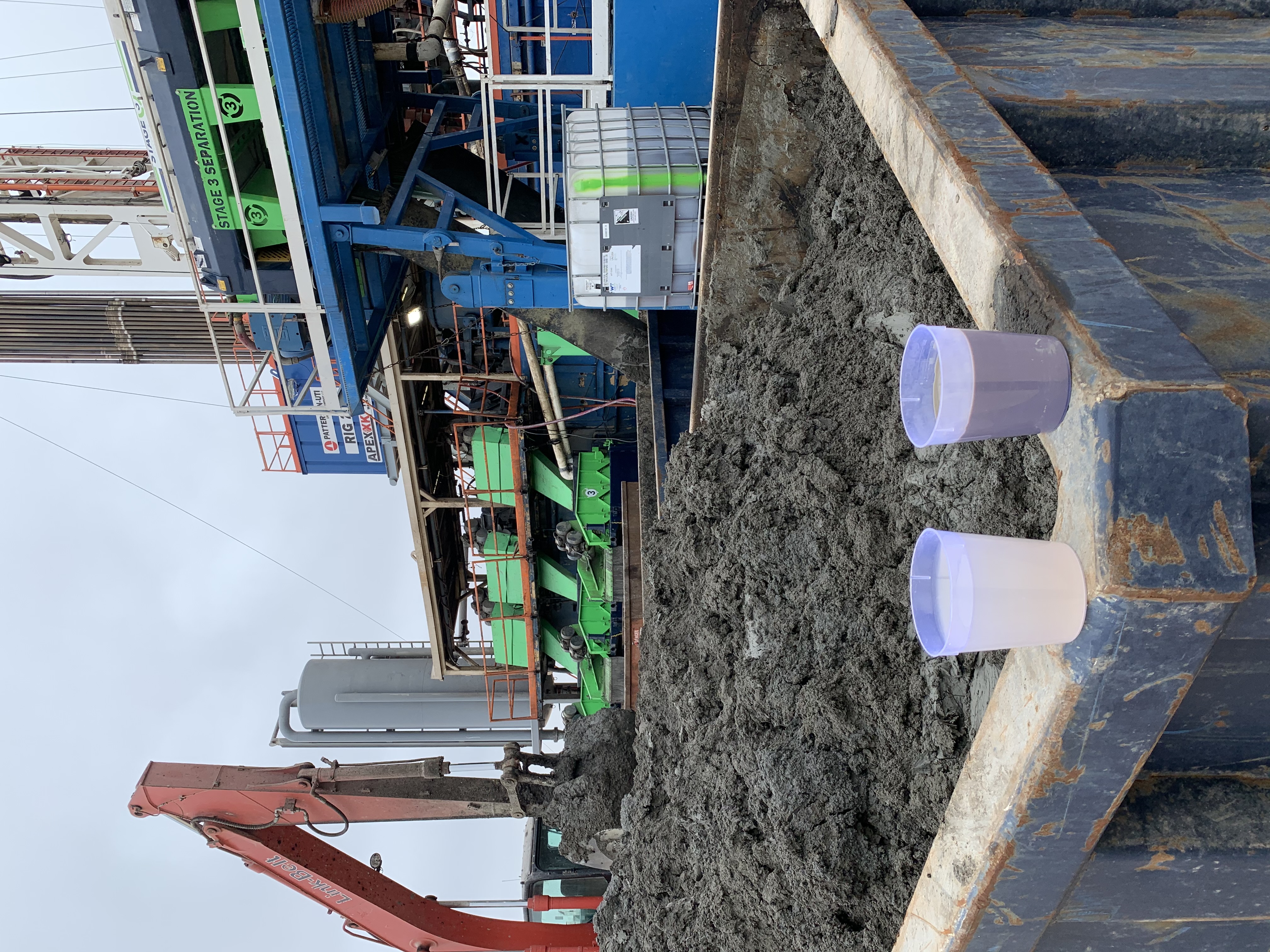
Clear water produced by a solids-separation process

Water needs a route, criteria, and decision owner

Whether separated water is held, reused, further treated, transferred, or discharged depends on the project’s defined route and applicable requirements. S3S can configure the process, control points, and agreed documentation toward those criteria. The owner, applicable authority, and project approvals determine whether a route is authorized.

Explore dredging services
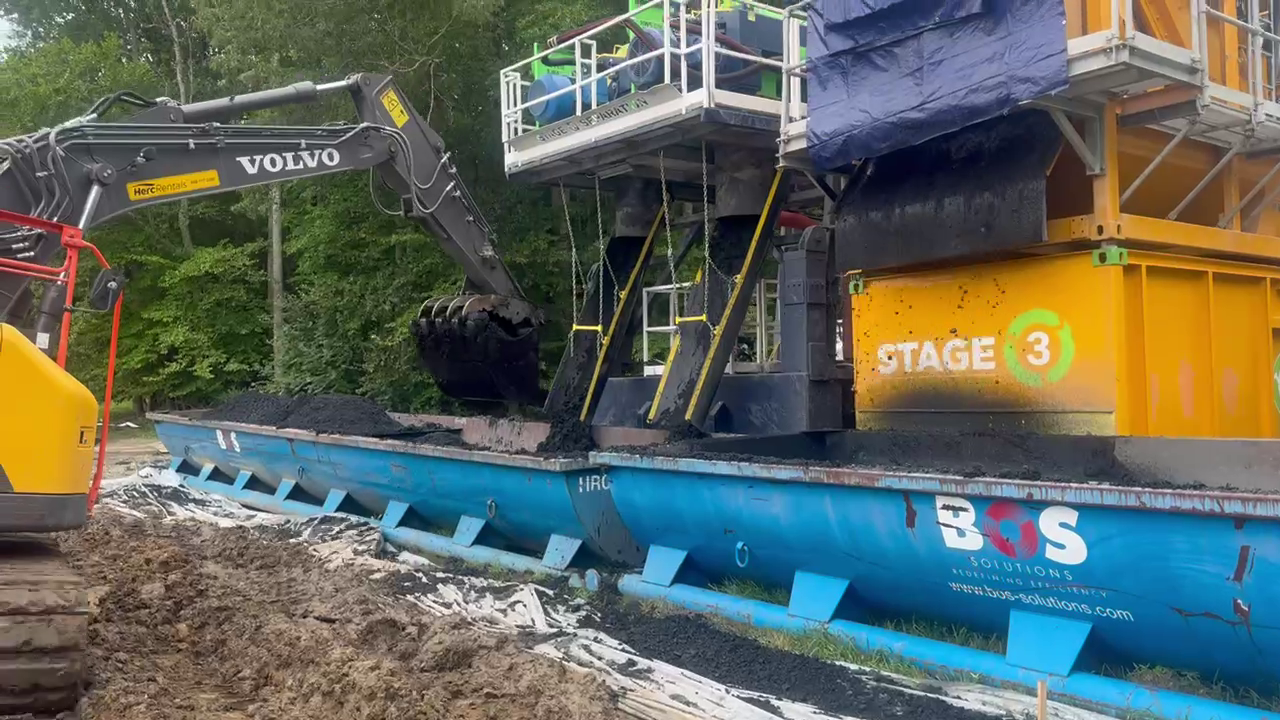
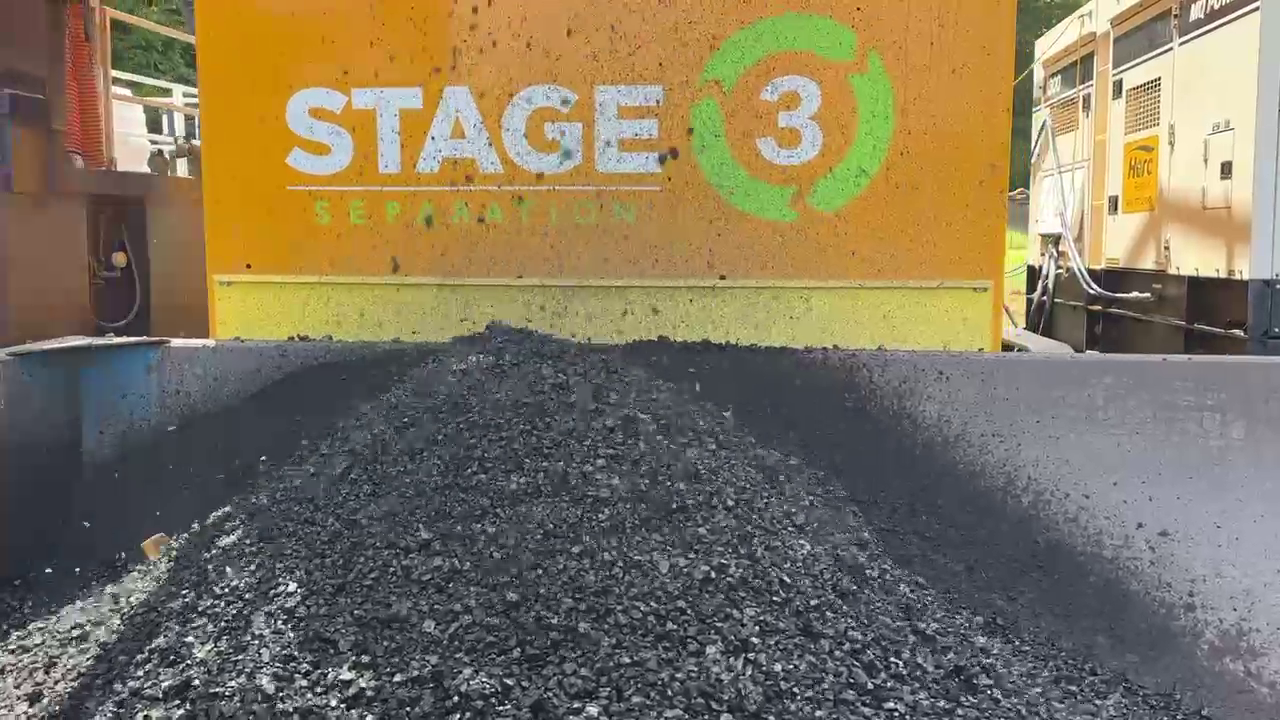
Separated dredging solids discharged from onsite processing equipment

Solids need an actual acceptance pathway

A dewatered solids stream may still need sampling, staging, transport, further treatment, or another defined step. Beneficial use, placement, and disposal are not created by the separation equipment. The receiving facility and applicable project requirements determine final acceptance.

Explore lab services

Scope questions

What project teams should settle before mobilization.

S3S can provide the process information, equipment scope, field observations, and agreed documentation relevant to its work. It does not replace the owner, permittee, environmental consultant, or counsel responsible for permit strategy, applications, interpretations, or approvals. Those responsibilities should be stated project by project.

No. Separation can reduce or remove selected solids, but it does not by itself establish a discharge or reuse authorization. The applicable route, criteria, sampling, approvals, and responsible authority are specific to the project, jurisdiction, and regulator. S3S can operate toward defined criteria within its scope.

Not automatically. Dewatering changes water content and handling characteristics; it does not eliminate characterization, testing, approval, or receiving-facility requirements. The owner and receiving party determine the applicable acceptance path, and the project plan should establish it before final equipment and loadout are set.

It depends on the project. The team should establish which party collects samples, selects the laboratory, maintains chain of custody where applicable, reviews results, retains records, and reports under a permit or contract. S3S can support the agreed field process and documentation within its scope.

The operating plan should define the expected range, observations, sample triggers, adjustment limits, and escalation path. S3S can adjust the separation scope around changing feed conditions where appropriate. A change that affects the approved route or acceptance criteria should be reviewed by the responsible project party.

No. It is a practical description of how separation and field controls can be organized around project requirements. The applicable permits, approvals, and regulatory obligations depend on the project location, material, route, authority, and contract.

Ready to take the next step?

The material path drives the compliance plan for every dredging project.

S3S will review the feed, the site, the proposed separation scope, the water and solids routes, and the field controls that should be resolved before mobilization. Share what is known and identify what still needs characterization, direction, or approval.

What happens next

  1. A separation specialist reviews the sediment, the dredge production and the site.
  2. We size the equipment and the crew against your schedule and the outputs you need.
  3. You get a configuration and a scope you can price the job against.
Talk to an expert
Environmental Compliance in Dredging Operations | S3S