Stage 3 Separation
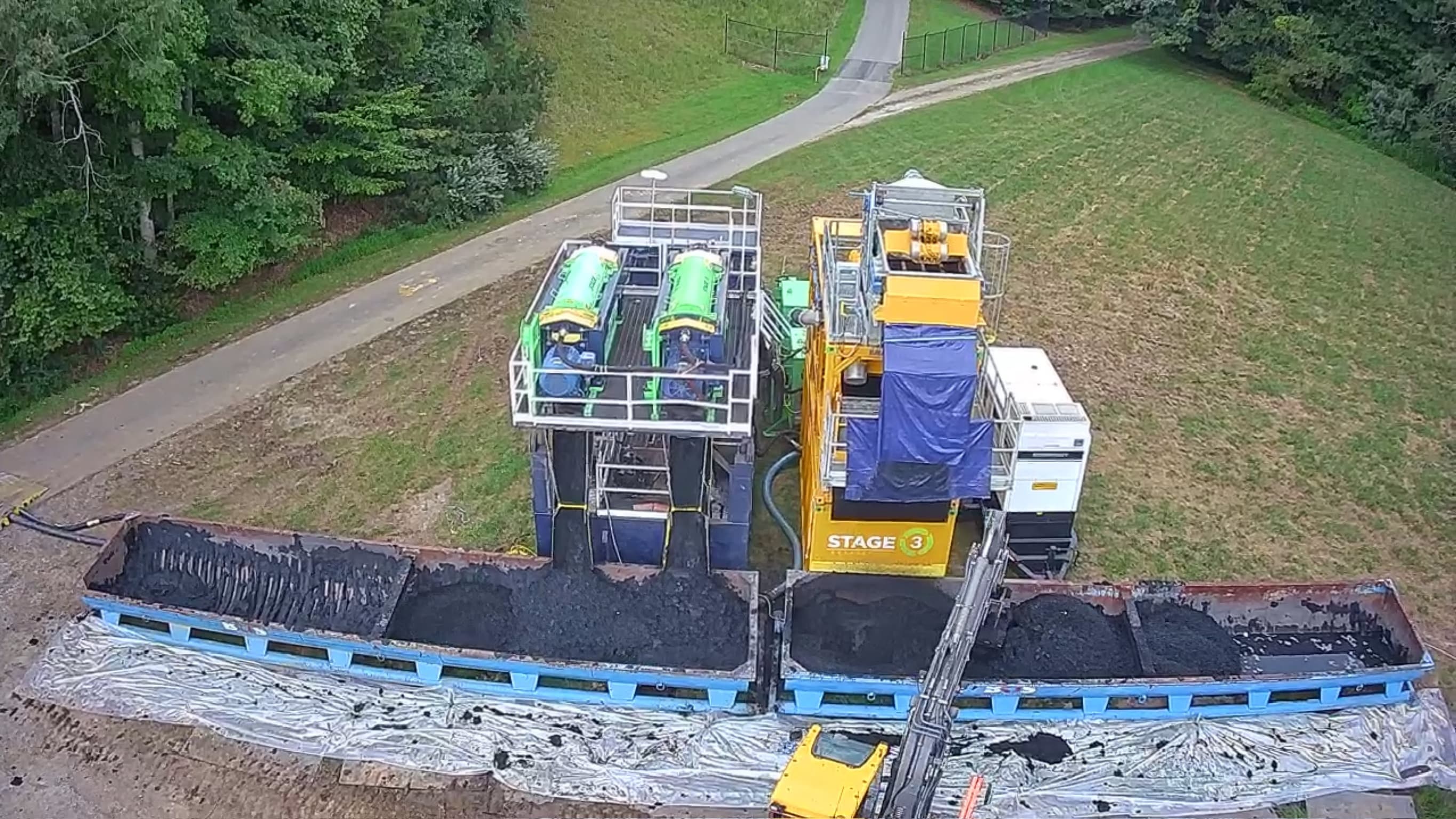
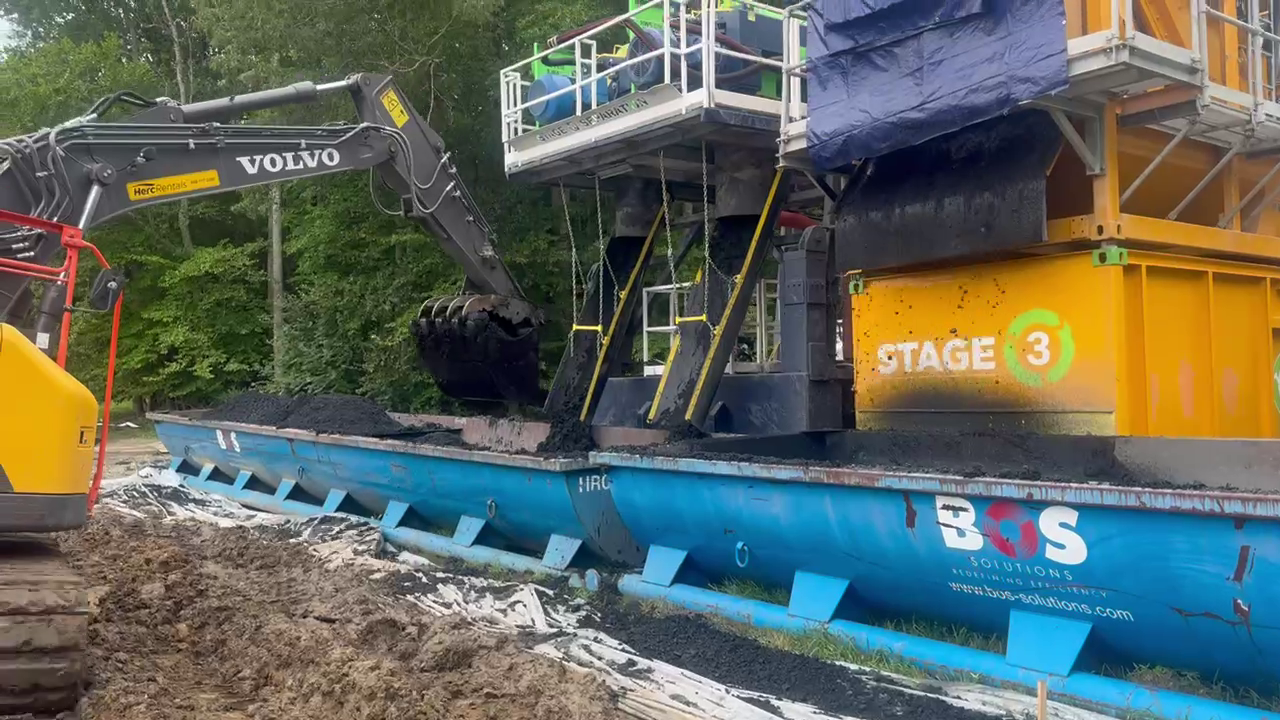
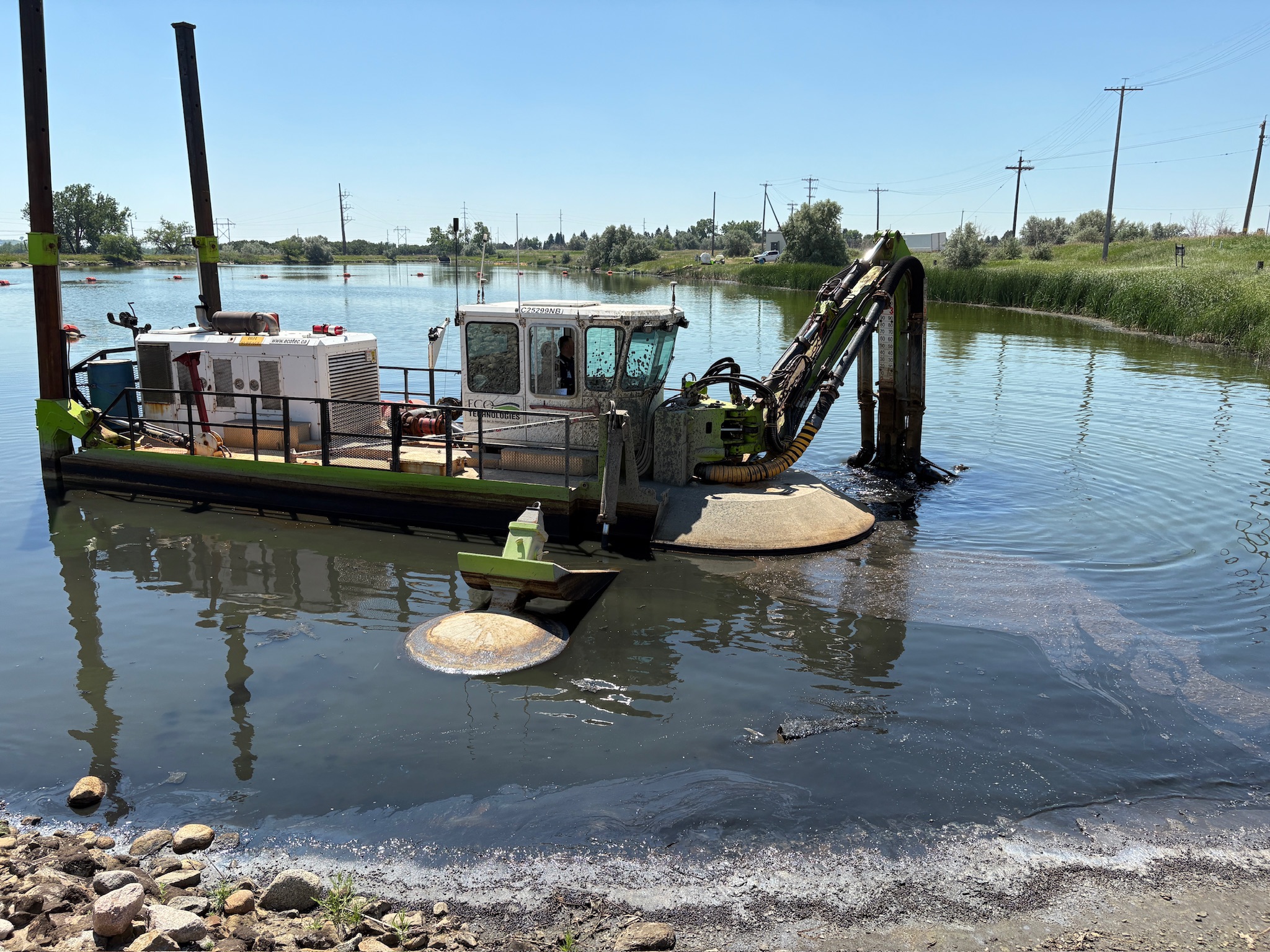
Stage 3 Separation equipment at a lagoon dredging operation

Dredging services | North America

Plan the dredge. Manage the material.

Stage 3 Separation (S3S) helps dredging contractors, project owners, municipalities, and industrial teams plan what happens after sediment leaves the bottom. We connect dredging support with pumping, solids separation, dewatering, water management, and material handling in a site-specific operating plan. The result is a clearer path from dredged slurry to the liquid and solids streams your project is prepared to manage.

The service scope

Dredging is only the first material move.

Removing sediment is one part of the job. The material still has to be transferred, separated, tested, dewatered, and routed to an approved next use or destination. S3S builds that downstream work around the actual feed and the project criteria, not a standard equipment package.

01

Start with the sediment

Particle-size distribution, debris, density, organic content, chemistry, and known contaminants all affect the treatment plan. Representative samples and available characterization data help the team understand whether screening, desanding, chemical conditioning, mechanical dewatering, water treatment, or a combination should be evaluated before mobilization.
02

Match dredge production to treatment capacity

The dredge, pump, pipeline, receiving tanks, and treatment train have to operate as one system. A process that cannot accept variable feed or peak production creates a bottleneck. S3S reviews expected flow, solids loading, distance, elevation, footprint, utilities, and operating hours so receiving and separation can be planned around the dredging method.

03

Define the water pathway early

Separated water may return to the process, return to the source area, move to another treatment step, or leave the site only under the applicable authorization. The project team must establish the required water criteria and monitoring plan. S3S configures separation and process controls toward those defined requirements; it does not assume that every recovered liquid is suitable for reuse or discharge.

04

Design dewatering around the solids destination

A landfill, beneficial-use outlet, on-site placement area, or further treatment process can require different material characteristics and documentation. The planned destination informs how much liquid must be removed, what testing is needed, and how solids will be staged, loaded, and transported. Final acceptance remains subject to the receiving facility, owner, and regulators.

05

Set responsibility at every interface

S3S can support a broader dredging scope or work as the material-processing partner within a larger project team. The exact responsibility for dredging, marine support, access, permitting, trucking, disposal, and third-party services is defined project by project. That clarity protects the schedule and keeps critical handoffs from becoming assumptions.

Where the model fits

One separation discipline. Different dredging conditions.

The treatment objective changes with the source, the sediment, and the approved destination. These are representative applications, not interchangeable packages.

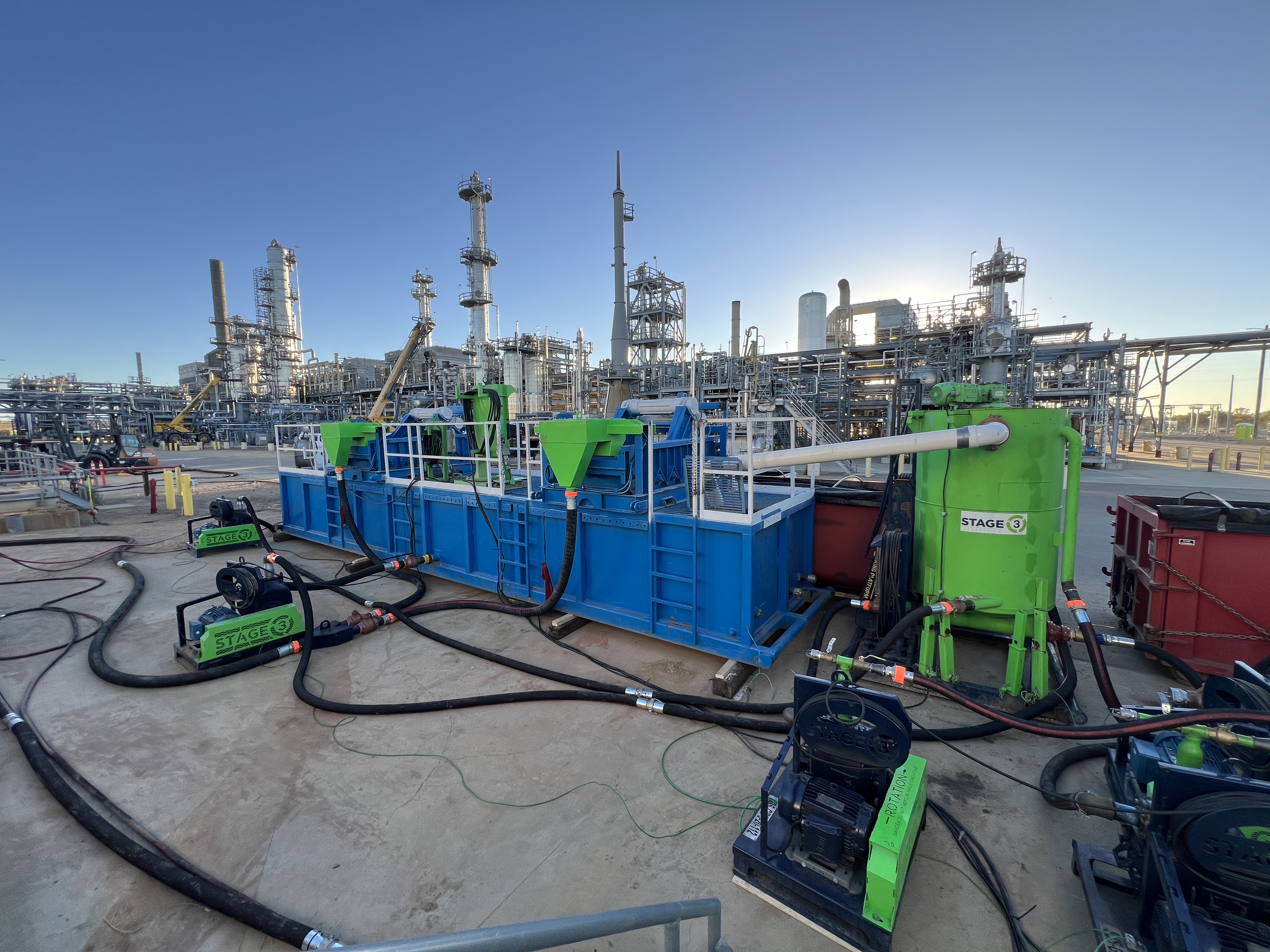
Industrial fluid processing facility

Industrial ponds and process basins

Refineries, manufacturing sites, and other operating facilities may need accumulated sediment or sludge removed while adjacent work continues. The plan can involve controlled dredge feed, compact receiving and separation equipment, water routing, solids staging, and coordination with site safety and access requirements. Characterization determines whether additional controls or specialized handling are required.

Explore industrial applications
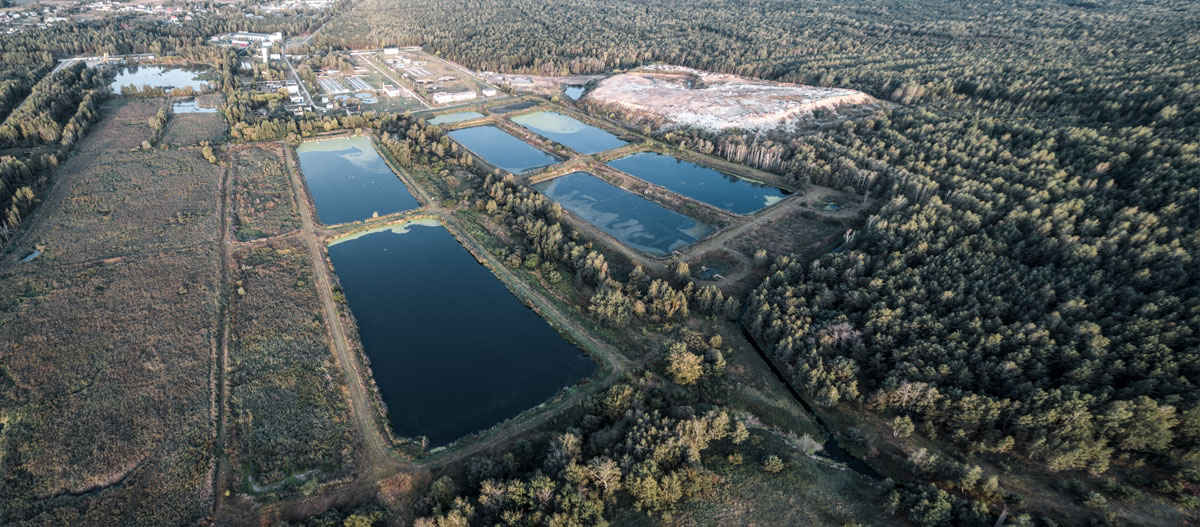
Municipal lagoon and water treatment infrastructure

Municipal lagoons and biosolids

Wastewater lagoons, treatment ponds, and residuals programs often need a practical way to remove settled solids and manage the resulting water. S3S can evaluate mechanical separation and dewatering around the municipality's operating constraints, planned solids destination, sampling requirements, and need to keep treatment processes functioning during the work.

Explore municipal applications
Stage 3 Separation equipment at a lagoon dredging operation

Marine construction and environmental work

Harbors, waterways, waterfront construction, and sediment-removal projects can combine variable geology, debris, limited staging space, and closely controlled material destinations. S3S focuses on the land-side or site-side material-management system: receiving dredged slurry, separating target solids ranges, managing process water, and producing a more concentrated solids stream for the approved next step.

Explore marine and waterfront work

Project workflow

Build the material plan before the dredge starts.

Dredging production, treatment capacity, water criteria, and solids disposition are connected decisions. S3S uses a staged workflow to expose those dependencies while there is still time to change the plan.

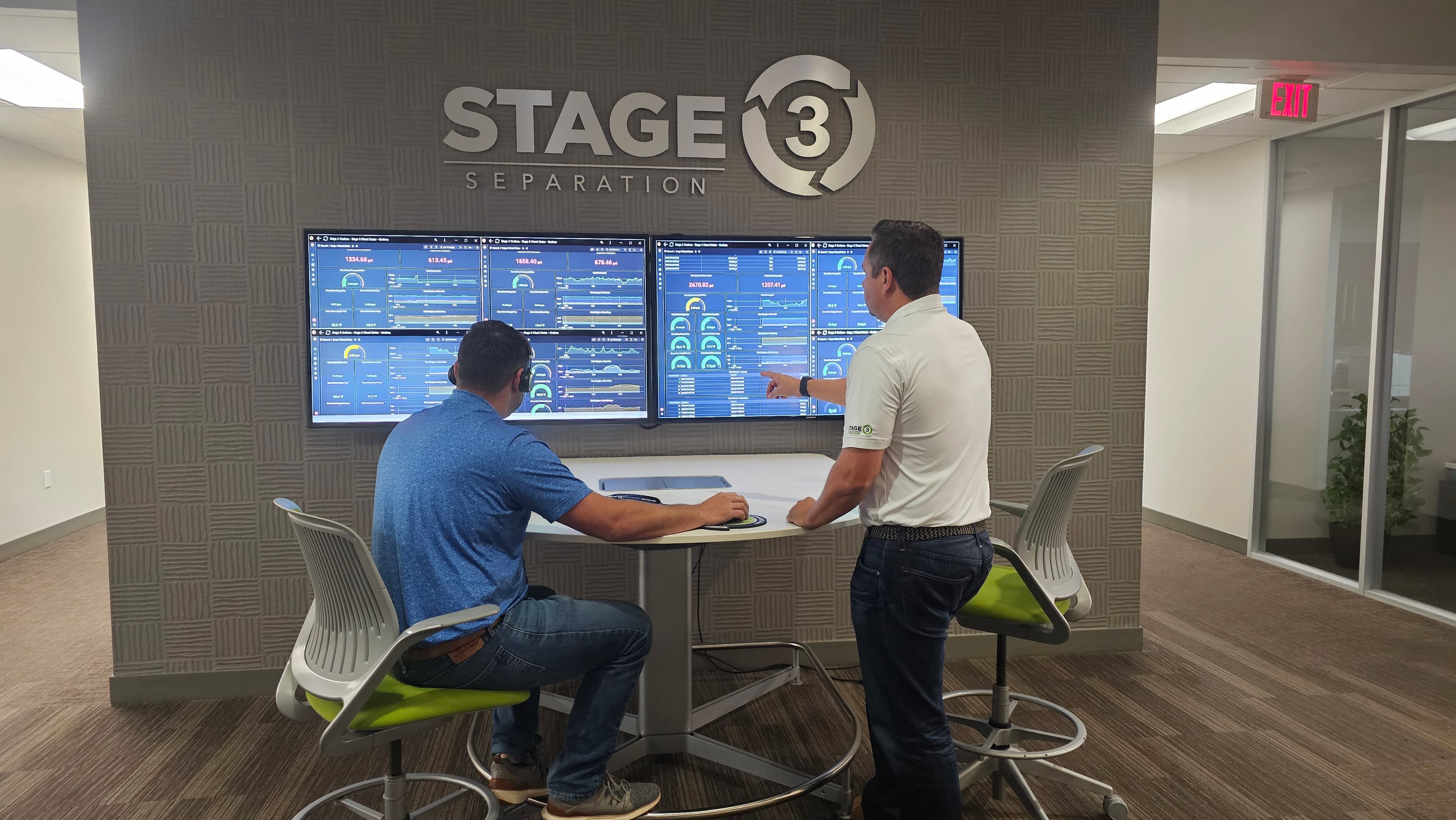
Fluid management planning session
01

Define the project boundaries

Confirm the waterbody or basin, estimated volume, bathymetry and access information, schedule, operating constraints, available footprint, utilities, and known permit or owner requirements. The team also defines which parties own dredging, marine support, treatment, trucking, disposal, and documentation.

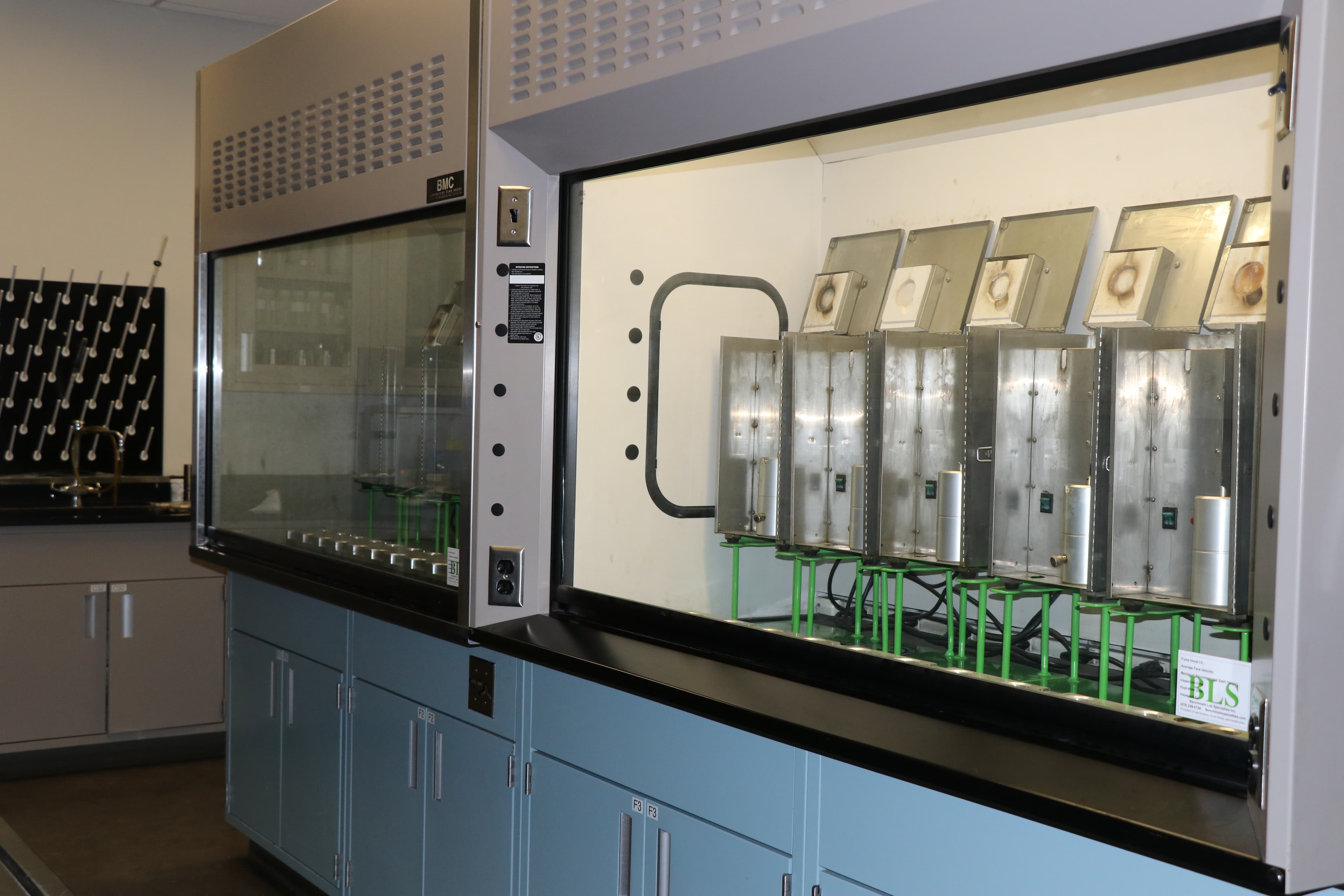
Stage 3 laboratory testing equipment
02

Characterize and test the feed

Review existing sediment data and collect representative samples where needed. Bench or treatability work can evaluate settling behavior, particle-size distribution, chemical conditioning, water response, and achievable solids concentration. Testing narrows the equipment choices; it does not replace regulatory characterization required by the project.

Fluid management planning session
03

Engineer the integrated train

Size receiving, equalization, screening, pumps, transfer lines, separation equipment, chemical dosing, tanks, and loadout around expected production and variability. The layout accounts for safe access, maintenance, winterization or weather needs, noise, traffic, and the space needed to stage water and solids without interrupting dredging.

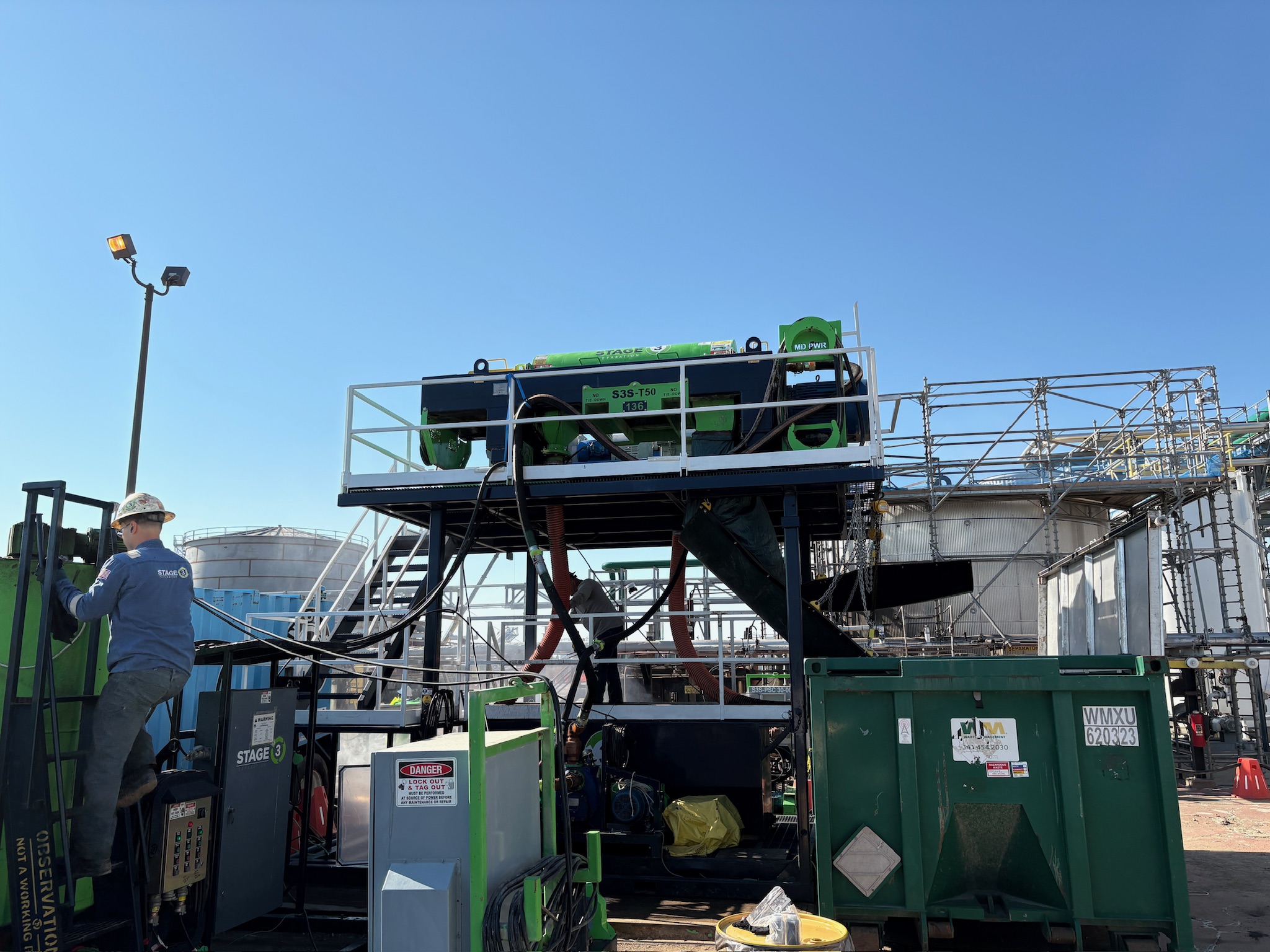
Slurry treatment process equipment
04

Dredge, receive, and separate

Operate the dredge and treatment system as a connected flow. Equalization helps absorb changes in feed. Screens, shakers, hydrocyclones, centrifuges, and conditioning steps are brought online in the sequence selected for the material. Field operators monitor the process and adjust it as sediment conditions change.

Municipal lagoon and water treatment infrastructure
05

Manage both output streams

Route separated water according to the approved project plan and verify it against the criteria assigned to that route. Stage dewatered solids for sampling, further treatment, loadout, or placement. Neither stream leaves the process on assumption: the owner, receiving facility, and applicable authorities determine acceptance.

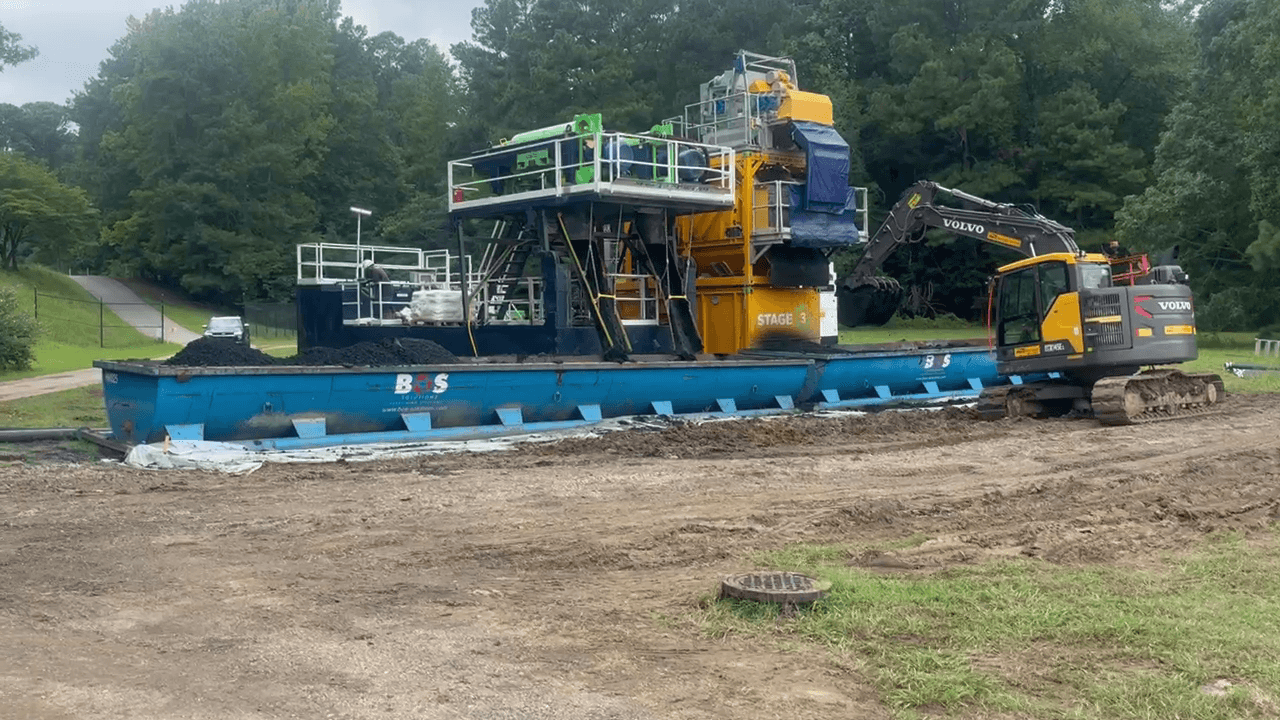
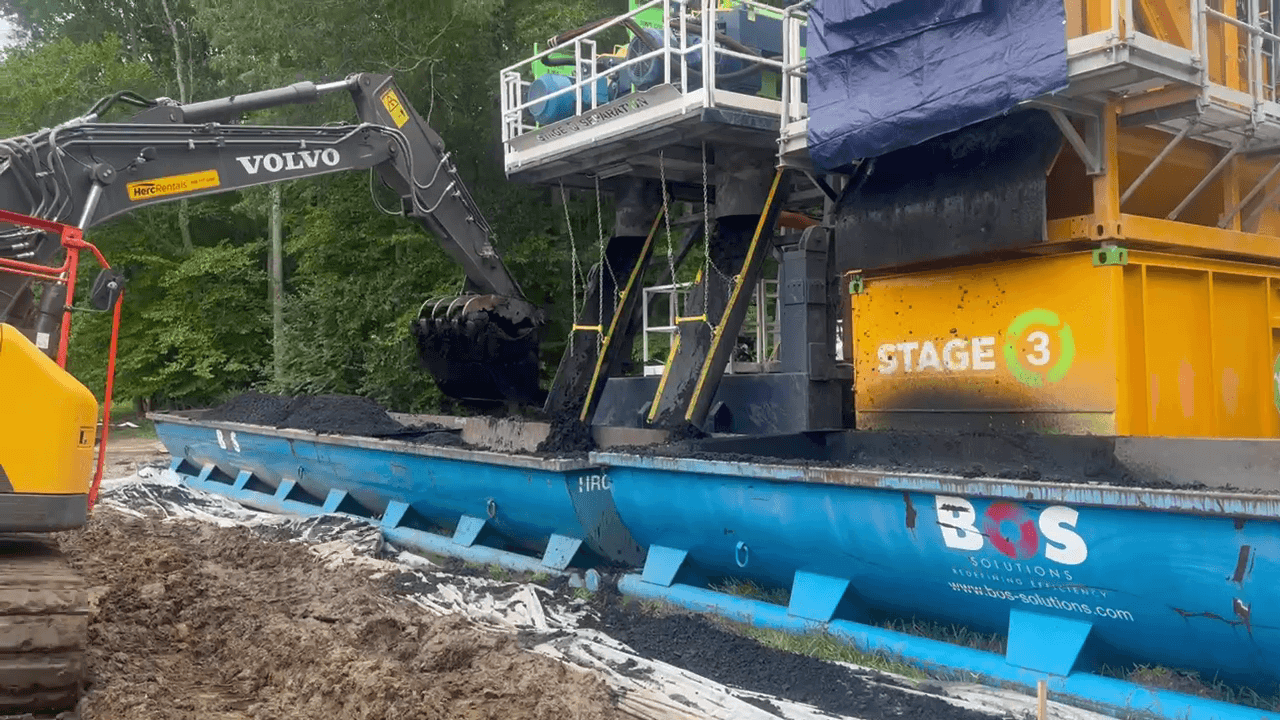
Stage 3 Separation system running at an active site
06

Document and close the loop

Track operating conditions, material movements, sample results, and exceptions at the level required by the project. At completion, reconcile the agreed records, clean and demobilize the system, and carry operating lessons into the next phase or future maintenance cycle.

Treatment train

Use the equipment the material calls for.

There is no single best dewatering method for every dredging project. S3S combines mechanical separation, conditioning, tanks, pumps, and controls around the sediment profile, production rate, output criteria, footprint, and schedule.

Stabilize the feed before fine separation

Dredged slurry can arrive with debris, gravel, sand, shells, organics, and sudden changes in solids loading. Receiving tanks and equalization create a controlled feed. Screens, shakers, and other coarse-separation steps protect downstream equipment and remove fractions that should be handled separately before they break down into harder-to-capture fines.

Primary question
What reaches the discharge line?
Common tools
Receiving tanks, screens, shakers, pumps
Design input
Peak flow, debris, solids loading
Operating target
Stable downstream feed
Slurry treatment process equipment

Progressive separation

Each stage protects the next one.

A dredged-material treatment train typically moves from variable bulk slurry toward narrower solids fractions and a controlled liquid stream. The final sequence remains project-specific.

StageCut PointRoleOutput
Receiving and equalizationVariable bulk feedAbsorb changes in dredge production and create a controlled process feedStable flow to primary separation
Debris and coarse screeningDebris, gravel, coarse solidsProtect pumps and fine-separation equipment from oversized materialSeparated coarse fraction and protected equipment
Desanding and classificationSand and selected silt fractionsReduce the load sent to fine-solids treatment where the material supports itClassified solids and lower downstream loading
Conditioning and centrifugationFine and suspended solidsUse tested chemistry and mechanical force to concentrate difficult finesDewatered solids and separated liquid
Water managementProject-defined constituentsStore, monitor, recirculate, or route water through any required next stepControlled water stream for the approved pathway
Solids handlingConcentrated materialStage, sample, load, treat further, or place material under the project planDocumented transfer to an accepted destination
Stage 3 Separation system running at an active site

Documented field experience

A large pond inside a working refinery.

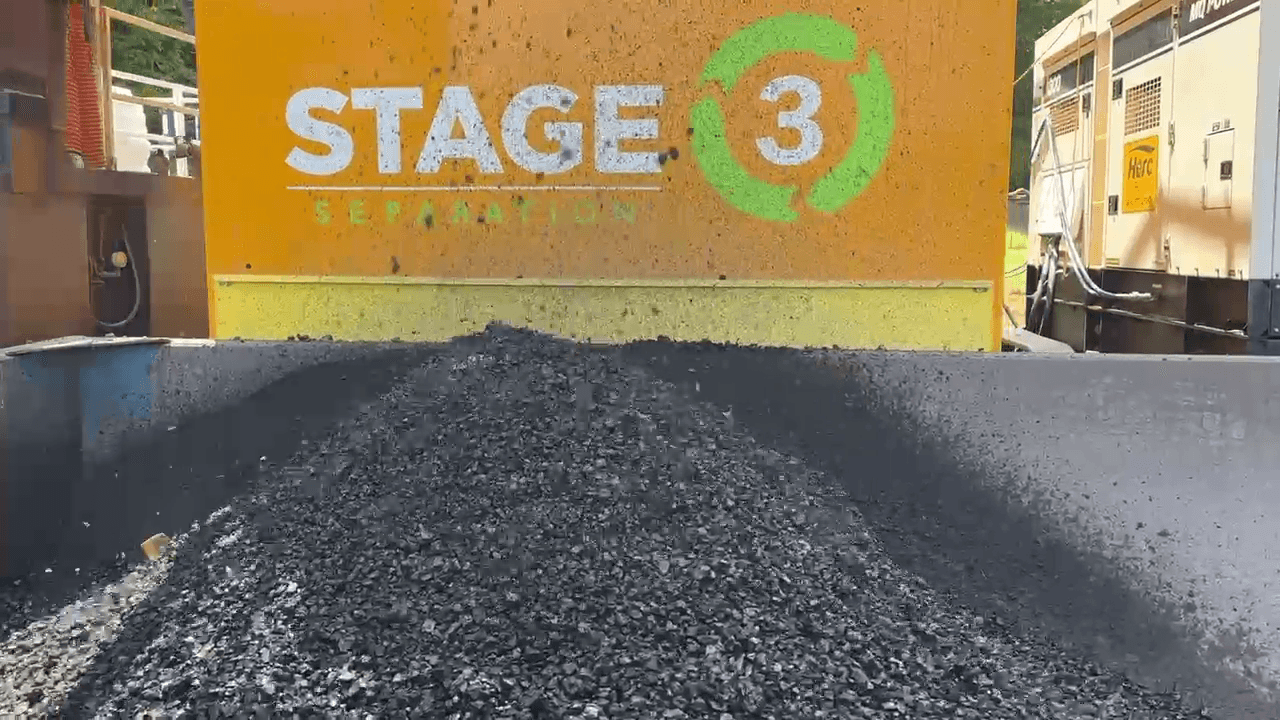
On a recent industrial project, S3S brought dredging and separation experience together to remove material from a large pond inside an operating refinery. Project specialists supported the local field team, and the system separated the dredged slurry into water and stackable solids for the project's planned handling routes. The useful proof is not a universal performance number. It is the ability to integrate a new site, an active facility, dredging production, and material processing into one controlled operation.

Working refineryActive-site coordination

The pond work took place within an operating industrial facility, where access, safety, interfaces, and ongoing site activity had to be built into the execution plan.

Integrated teamDredging and separation

S3S project experts worked with the local operations team so dredging feed and downstream material processing were managed as connected work.

Two streamsWater and stackable solids

The treatment system separated dredged slurry into a liquid stream and concentrated, stackable solids for the routes established by the project.

Dredging project questions

What to settle before procurement.

The scope depends on the project. S3S may support a broader dredging package, coordinate selected third-party services, or serve as the solids-separation and dewatering partner to an owner or dredging contractor. The proposal should state who owns the dredge, marine support, access, permits, treatment, trucking, disposal, testing, and reporting. Bring the team in early so those interfaces can be defined before pricing is treated as comparable.

S3S can evaluate slurry from industrial ponds, municipal lagoons, biosolids programs, marine and waterfront work, and environmental sediment-removal projects. Suitability is never based on the application name alone. Available characterization, representative samples, contaminants, debris, particle size, chemistry, flow, and the required destinations determine whether S3S should recommend a treatment plan.

The selection starts with the feed and the destination. S3S reviews particle-size distribution, solids concentration, settling behavior, chemistry, debris, expected flow, production schedule, footprint, utilities, water criteria, and solids acceptance requirements. Treatability work can then compare screening, classification, chemical conditioning, centrifugation, and other process steps. No single method is best for every dredging project.

No. The right comparison includes the slurry volume, water content, trucking distance, receiving options, disposal rules, treatment rate, site footprint, utilities, mobilization, schedule, and risk at the material handoffs. On-site separation can reduce the liquid volume that must be transported, but the project-specific estimate should compare the full material path rather than assume a percentage saving.

Only under the route and criteria authorized for the project. Mechanical separation does not automatically make water suitable for discharge, return, or reuse. The owner and project team establish the applicable requirements with the relevant authorities. S3S can configure controls, sampling support, and any agreed treatment steps toward those criteria, but final authorization does not come from the equipment provider.

That depends on characterization, geotechnical properties, contaminants, project approvals, and the receiving site's criteria. Separation can create distinct and more concentrated solids streams, but it does not establish a beneficial-use designation. The planned destination should be identified early so dewatering, sampling, documentation, and loadout are designed around an actual acceptance pathway.

Bring S3S in while dredging method, production rate, staging area, water route, solids destination, and bid responsibilities can still be shaped. Early sample and site review can expose a mismatch between dredge production and treatment capacity, missing utilities, limited storage, or an undefined disposal route before those issues reach the field.

Share the project location, source area, estimated sediment or slurry volume, available bathymetry or drawings, expected dredge method and production, known debris or contaminants, sample and characterization data, water route, solids destination, acceptance criteria, site footprint, utilities, operating schedule, and the work packages S3S is expected to own. Unknowns are acceptable if they are identified.

No equipment or service provider should promise an outcome controlled by permits, regulators, owners, laboratories, or receiving facilities. S3S can help engineer and operate a system against defined project criteria, support sampling and documentation within the agreed scope, and respond to changing feed conditions. The applicable authority and receiving party make the final decisions about discharge, reuse, transport, and disposal.

Scope the full material path

Bring us the sediment, site, outputs, and schedule.

S3S will review the dredging interface, separation train, water route, solids destination, and field constraints as one project. Share what is known and identify what still needs testing or definition.

Project location and source areaEstimated volume and dredge methodSediment characterization and samplesWater route and required criteriaSolids destination and acceptance criteriaFootprint, utilities, access, and scheduleDiscuss your dredging project